

A...
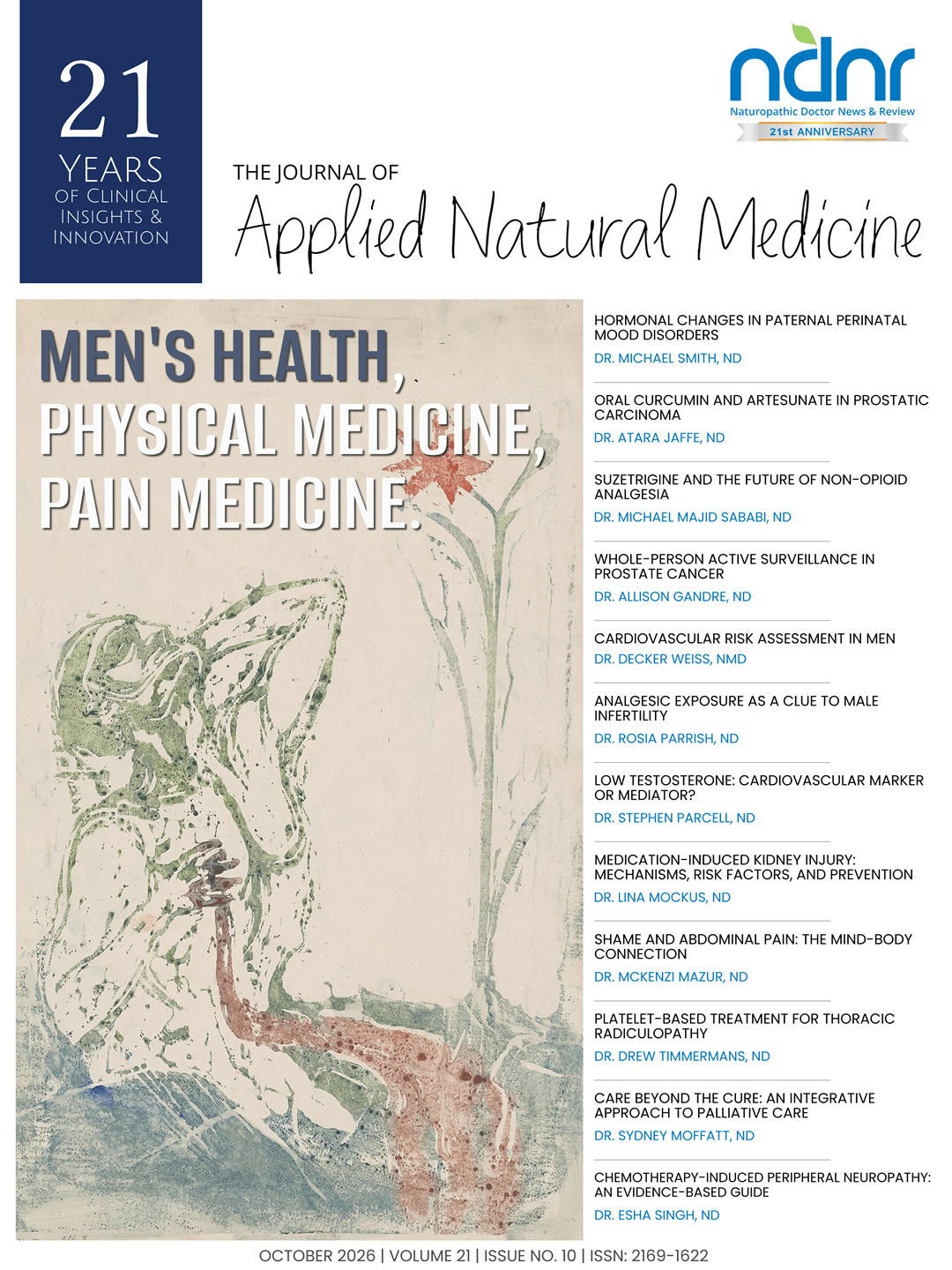
Chemotherapy-Induced Peripheral Neuropathy: An Evidence-Based Guide for Naturopathic Physicians
read more
Study Links Blood Type and Fertility
Scientists at Yale and Albert Einstein College of Medicine confirm 10-year-old research of Dr. Peter D’Adamo.
Wilton, CT, October 27, 2010 In a study presented earlier this week at the American Society of Reproductive Medicine Conference in Denver, researchers at Yale and Albert Einstein College of Medicine measured levels of a chemical called follicle-stimulating hormone (FSH) in 560 women undergoing fertility treatments and found that those women with type O blood had chemical signs linked to low egg numbers.
The control group had an average age of 35 and those with O blood type were found to have higher levels of FSH – almost twice the levels of women with the blood type A antigen. This is significant as high levels of FSH are thought to be an indicator that a woman’s ovarian egg reserve is diminishing – which can reduce a woman’s chances of conception once a woman reaches her 30s and 40s.
Although researchers at Yale and Albert Einstein College of Medicine could not identify a specific reason for this association, Dr. Peter D’Adamo, a naturopathic physician and expert in the field of human blood groups, provided this insight, “A significant number of infertility cases are the result of immunologic hostility between a person’s blood type and the environment.”
Dr. D’Adamo has researched the connections between blood type, genetics, and disease susceptibility for more than 30 years and supported his findings with extensive scientific documentation. In his book, Eat Right for Your Baby, published in 2003, Dr. D’Adamo discussed the vital connection between blood type and fertility, pointing out that, “Type O’s tend to suffer from hormonal and metabolic disorders, which are a major impediment to fertility.” As nutrition has an overarching affect on health and hormonal stability, Dr. D’Adamo makes nutritional recommendations unique to each of the four human blood groups to promote fertility and a healthy pregnancy.