

A...
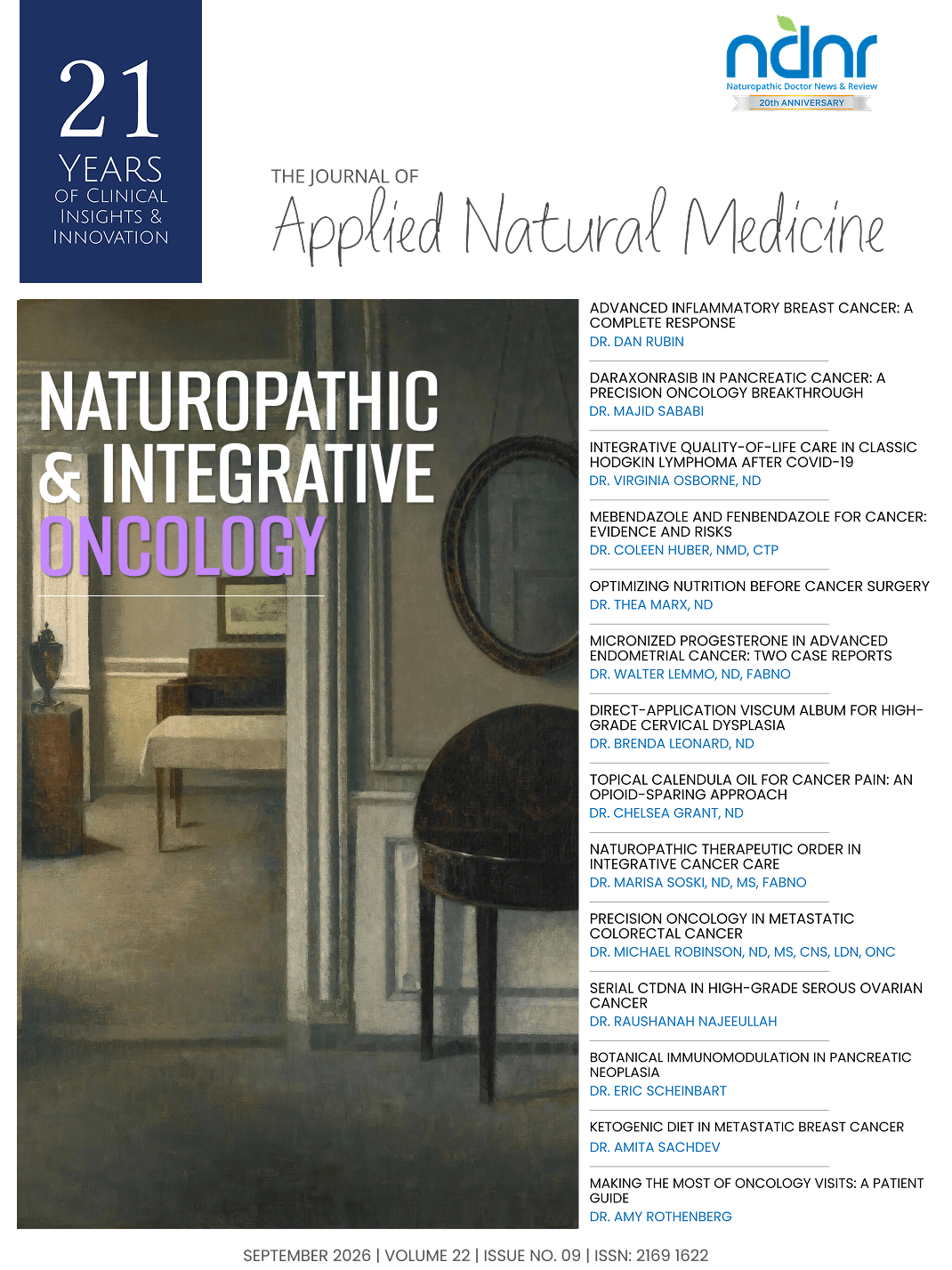
Chemotherapy-Induced Peripheral Neuropathy: An Evidence-Based Guide for Naturopathic Physicians
read more
Katrina Iiams-Hauser, ND
Sensory processing sensitivity (SPS) is a trait found in 15-20% of people.1 Another term for individuals with this trait is HSP, short for Highly Sensitive Person. This trait is different from the clinical condition of PTSD (post-traumatic stress disorder), as it does not appear after trauma or illness, but rather is an inborn trait. Elaine Aron, credited with bringing the concept of HSPs to light in the 1990s, uses the acronym DOES to explain the qualities of being highly sensitive1,2:
Learning about this trait and being able to identify it in a patient can make a huge difference in how they perceive themselves. In the Therapeutic Order, deepening your self-awareness is both low force and high impact. To illustrate the potential impact of identifying oneself as a HSP, I share the following case.
Linda* is a woman in her mid-60s who came into my office to discuss chronic pain and debilitating headaches. She was seeking a naturopathic approach, as she had reached the end of the line with her other providers. Her life had been a string of traumas, both physical and emotional, and there was a history of alcohol and substance abuse. In her words, she had “an addictive personality.” She appeared dejected and depleted. Her living situation was stressful, as her son’s family was living with her for a few months and the noise from the grandkids was overwhelming. Despite seeing a counselor weekly, she did not feel comfortable in her life, and the guilt and shame of returning to cannabis to escape from it all compounded the situation.
Arnica 200C was administered immediately for trauma, followed by Natrum sulphuricum 200C at the end of the visit. I perceived a theme of high sensitivity in this patient, and explained this trait to her. She was intrigued, and left with a link to further research HSPs (as well as a rapidly diminishing headache).
Two weeks later she returned for a follow-up, appearing brighter and smiling. Tearfully, she described how grateful she was to learn that she was a HSP, and that it explained so much about her life. She also reported that her antidepressant was now working and that she was starting to feel at peace with her home life. She had no headaches to report since the last visit, and she had not felt the trigger to use substances to escape.
Two months later, she continues to deepen into her natural state, sinking in to her new awareness of her sensitivity and how to better care for herself. We continue to work on unwinding physical and emotional issues as they arise, and she is on an upward trajectory in her health.
HSPs need to know this trait is real. They can be empowered to design a life that is compatible with their sensitivity, and to reframe their past in light of it, thereby helping them to heal from past traumas. Getting to know other HSPs helps to put their experience in context and to realize that they are in not alone in their sensitivity. As naturopathic physicians, we may see proportionally higher numbers of HSPs. If we can identify this trait and educate our sensitive patients about it, we can open the door for breakthroughs and healing.
*Name and details changed for privacy
References:
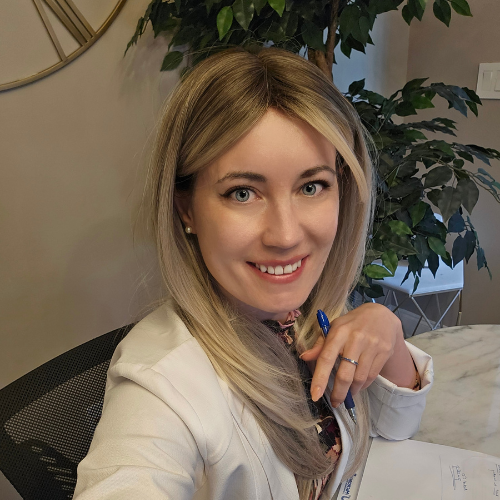
 Katrina IIams-Hauser, ND, is a licensed naturopathic physician who practices in Everett, WA. She adores working with highly sensitive people. She combines gentle bodywork, homeopathy, and naturopathic lifestyle advice to promote healing for patients across the age, gender, and ability spectrum. When not in her clinic, she can be found exploring the outdoors and generally savoring the simple pleasures in life as a highly sensitive human being.