

A...
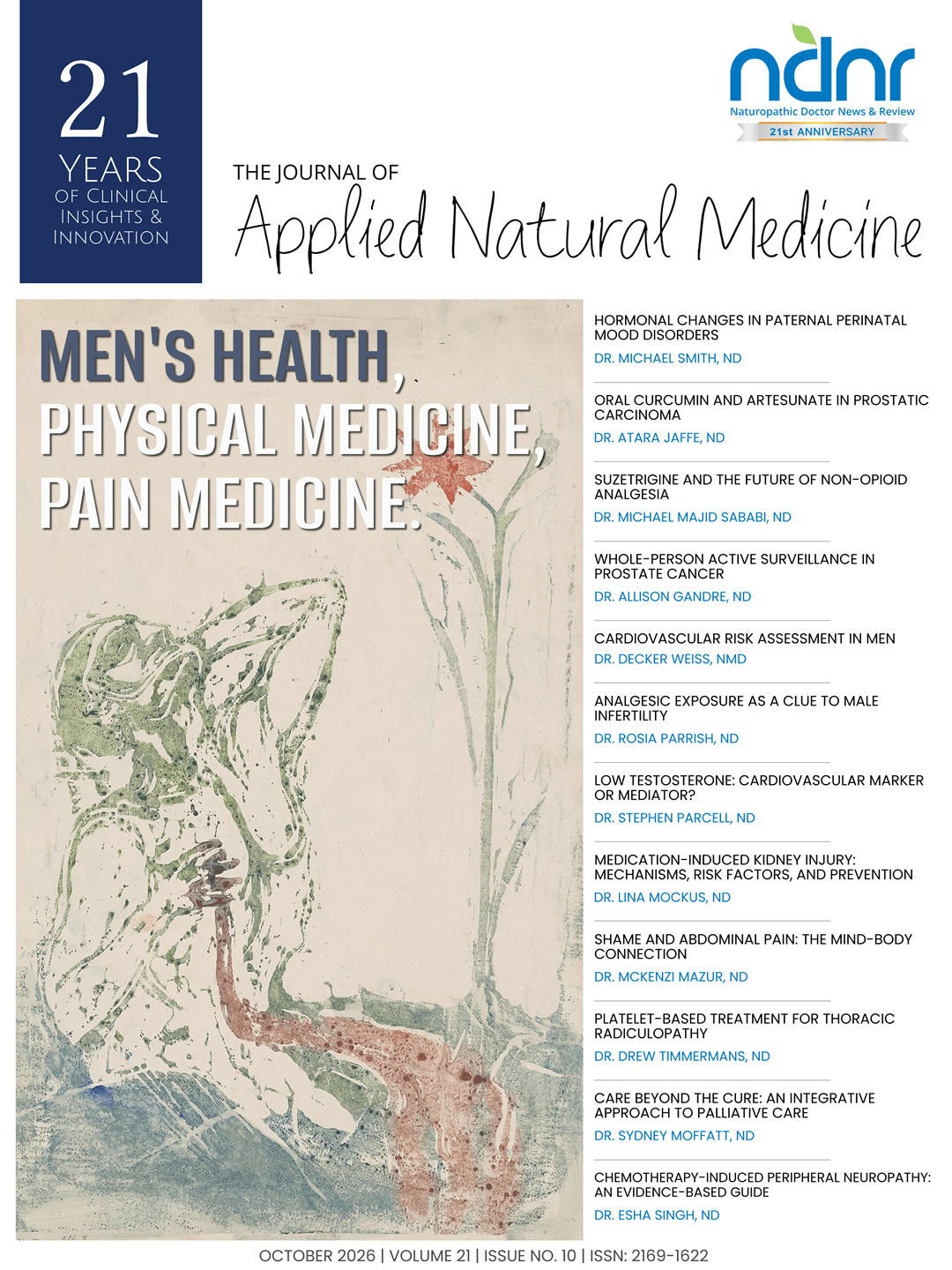
Chemotherapy-Induced Peripheral Neuropathy: An Evidence-Based Guide for Naturopathic Physicians
read more

Lina Mockus, ND
Emerging research reveals that gut-derived inflammation, microbial metabolites, and metabolic dysfunction link intestinal health to cardiovascular disease and prostate disorders—highlighting key opportunities for naturopathic, lifestyle, and nutritional intervention.
This article explores how gut dysbiosis, microbial metabolites such as TMAO and PAG, systemic inflammation, and hormonal imbalance contribute to both cardiovascular disease and prostate disorders in men. It outlines naturopathic strategies—including diet, exercise, stress management, and targeted nutraceuticals—to address shared root causes for improved long-term health outcomes.
Abstract
Cardiovascular disease (CVD) and prostate disorders, including benign prostatic hyperplasia (BPH) and prostate cancer, share overlapping risk factors and mechanistic pathways. Emerging evidence highlights the gut microbiome as a major cause of systemic inflammation, metabolic dysregulation, and hormonal balance that influences both cardiac and prostate health. Dysbiosis, driven by diet, medications, and lifestyle factors, promotes metabolites such as trimethylamine-N-oxide (TMAO) and phenylacetylglutamine (PAG), which contribute to endothelial dysfunction, atherosclerosis, and metabolic syndrome. Naturopathic interventions that target gut health, metabolic balance, and lifestyle — including anti-inflammatory diet, exercise, stress management, and nutraceuticals — may reduce CVD risk and support prostate health. This paper explores current evidence and clinical implications for naturopathic practice.
Cardiovascular disease is a leading cause of morbidity and mortality globally. Nine out of 10 Canadian adults have at least one risk factor for heart disease, stroke, or vascular cognitive impairment.(1) In Canada, the cardiovascular risk factors and incidence for men are:
-Over 60% of Canadian adults are either overweight or obese. More men than women have a BMI in the overweight range (27% versus 25.2%).
-The prevalence of hypertension among Canadians aged 18 to 79 is higher for men (58.3%) than for women (37.3%).
-Men are more likely to have diabetes than women. (2)
-40.9% of Canadian men engage in insufficient physical activity, defined as less than 150 minutes of moderate-intensity or 75 minutes of vigorous-intensity physical activity per week. (3)
Because of these higher risk factors, men are twice as likely as women to suffer a heart attack and are diagnosed with heart disease about 10 years earlier than women.
Diseases of the prostate include prostatitis, benign prostatic hyperplasia (BPH), and prostate cancer. Prostatitis (inflammation of the prostate gland) is most often caused by a UTI, nerve damage, and emotional stress. It occurs most commonly in men under age 50. BPH commonly occurs in men over age 40 who are obese, have DM2, CVD, and/or who don’t get enough exercise. Prostate cancer commonly occurs in men over age 65. The main risk factors are age, race and ethnicity (men of African descent have a higher risk), chemical exposure, obesity, and diets high in red meat and dairy. (4)
Many cases of premature CVD can be prevented by addressing lifestyle and metabolic factors. Interestingly, Canada reports among the highest prevalence rates of inflammatory bowel disease (IBD) worldwide, which reveals the extent of gut inflammation and dysbiosis in our population. Emerging research shows that the gut microbiome is central to cardiometabolic and prostatic health.
Hippocrates, the father of modern medicine, is credited with stating that “All disease begins in the gut.” Long before science could explain why, he recognized the gut’s influence on health. Modern research now supports this idea, showing that gut function plays a major role in overall wellness and contributes to many chronic diseases. This concept is not new to naturopaths, who recognize gut health as a cornerstone of general health and well-being.
Gut bacteria metabolize choline, phosphatidylcholine, and L-carnitine (found in red meat, dairy, eggs, and fish) into trimethylamine (TMA), which the liver oxidizes to TMAO. Higher plasma levels of TMAO have been associated with increased atherosclerosis, myocardial infarction, stroke, and heart failure.(5) The highest TMA/TMAO–producing foods are red meat (especially beef and lamb). They are very high in L-carnitine, which is efficiently converted by gut microbes to TMA and have the greatest post-meal increases in plasma TMAO. Egg yolks are rich in phosphatidylcholine (lecithin) and free choline, both strong TMA precursors. Even modest intake (1–2 eggs) can transiently raise plasma TMAO, depending on microbiome composition. Certain fish (e.g., cod, haddock, halibut) contain preformed TMAO, not just precursors. Plasma TMAO can rise rapidly after eating these fish, but this appears less atherogenic since it’s a direct dietary source, not microbially derived. High-fat dairy (cheese, butter, cream) contain some choline and carnitine but contribute less than red meat or eggs. Poultry, shellfish, and processed meats are moderate or variable TMA producers. Plant foods (legumes, whole grains, fruits, vegetables, nuts, seeds) are low or inhibitory foods. They contain little to no carnitine and much less choline in TMA-producing forms. High-fibre diets alter gut microbiota to favour species that do not produce TMA. (6) Polyphenols (from tea, coffee, red wine, berries) can inhibit microbial TMA formation (Table 1).
Table 1
| Food | TMA/TMAO Potential | Main Precursors | Notes |
| Red meat | High | L-carnitine | Strong microbial conversion |
| Eggs | High | Phosphatidylcholine | TMAO spikes vary by microbiome |
| Fish (e.g., cod) | High (direct TMAO) | Preformed TMAO | Not from microbial conversion |
| Dairy | Moderate | Choline, carnitine | Lower effect |
| Poultry | Moderate | Choline | Less potent |
| Legumes, plants | Low | — | Fiber protective |
| Polyphenol-rich foods | Inhibitory | — | Block TMA formation |
Gut-derived phenylacetylglutamine (PAG or PAGIn) is a metabolite of phenylalanine, which also comes from meat, dairy, eggs, fish, nuts and seeds, legumes, soy, grains, as well as Aspartame. PAG has been linked to heightened sympathetic activity, platelet reactivity, and major adverse cardiovascular events. (7) Compared with TMAO, the evidence is currently more indirect regarding which foods drive its formation. However, diets higher in animal-based protein appear to link with higher PAGln.
Both of these metabolites show how diet and microbial balance modulate vascular inflammation, thrombosis risk, and atherogenesis.
Disruptions in gut microbial balance, caused by factors such as antibiotics, diets high in saturated fat, smoking, and chronic stress, are associated with systemic inflammatory diseases, including CVD, DM2, and autoimmune disorders. Conversely, a balanced gut microbiome enhances nutrient absorption and promotes metabolites that reduce cholesterol, optimize lipid metabolism, and improve heart function. A balanced microbiome also supports short-chain fatty acid (SCFA) production. SCFAs are metabolites generated by gut bacteria that help maintain balance in both the intestines and the rest of the body. Studies show that SCFAs can slow tumor cell growth and spread, trigger apoptosis, and stop cell cycle progression. (8)
Intestinal barrier integrity is very important for preventing systemic inflammation. Increased intestinal permeability (“leaky gut”) allows bacterial endotoxins and inflammatory mediators to enter circulation, triggering low-grade systemic inflammation. Systemic inflammation contributes to insulin resistance, dyslipidemia, hypertension, and endothelial dysfunction—core features of metabolic syndrome. (9)
Epidemiologic data indicate that men with metabolic syndrome have higher rates of both CVD and prostate disorders. Obesity, particularly central adiposity, correlates with higher estradiol relative to testosterone, promoting both vascular dysfunction and BPH. Chronic low-grade inflammation from visceral fat further exacerbates endothelial stress and fosters prostatic hyperplasia. (10)
Testosterone and estrogen ratios influence both prostate and heart health. Men with low free testosterone often exhibit BPH symptoms and increased CVD risk, while high estradiol relative to testosterone, commonly associated with central obesity, promotes prostatic enlargement and vascular dysfunction. Additionally, erectile dysfunction (ED), often a vascular condition, frequently coexists with prostate disorders, serving as an early clinical indicator of endothelial dysfunction. (11) Recognizing these patterns can inform early lifestyle and nutraceutical interventions to prevent progression of both CVD and prostate disease.
Smoking is one of the main preventable risk factors for CVD. In addition to causing direct injury to blood vessels, smoking alters the gut microbiome by increasing pathogenic bacteria and decreasing beneficial SCFA-producing bacteria. Interestingly, the microbial profiles observed in smokers resemble those in patients with inflammatory bowel disease, highlighting the connection between lifestyle, gut dysbiosis, and systemic inflammation. Smoking cessation supports both cardiovascular and prostate health by restoring microbial balance and reducing inflammation. (12)
Cardiovascular pharmaceuticals (e.g., beta blockers, statins) and prostate pharmaceuticals (e.g., alpha-1 blockers such as tamsulosin) serve to relieve symptoms but do little to treat root causes. Naturopathic strategies that address the root causes of these conditions can also reduce reliance on polypharmacy through lifestyle changes and gut-focused care.
Clinically oriented interventions that support the gut, heart, and prostate health include:
Diet. Mediterranean or anti-inflammatory diets (plant based, high in fibre, olive oil, nuts, legumes, and fish) consistently reduce cardiovascular events and improve endothelial function and metabolic markers. They also improve the microbiome and reduce substrates for harmful metabolites. (13)
Exercise. Aerobic and resistance training improves insulin sensitivity, reduces visceral fat, favourably shifts sex-hormone ratios, and promotes microbial diversity. Exercise is a very effective intervention for both CVD and prostate health. (14)
Smoking cessation, sleep, and stress management. Quitting smoking reduces both vascular risk and smoking-related dysbiosis. Sleep optimization and stress reduction reduce HPA axis overdrive and systemic inflammation and should be core components of preventive care. (12)
Nutraceuticals and functional foods
-Probiotics and prebiotics: Studies suggest that certain probiotic strains can improve lipid profiles, inflammation markers, and blood pressure by way of bile acid modulation, SCFA production, and intestinal barrier support. (15)
–Dietary fibre and prebiotics enhance SCFA production (butyrate, propionate), which improves lipid metabolism, insulin sensitivity, and intestinal barrier integrity. (8)
–Omega-3 fatty acids and polyphenols: Studies show that they have anti-inflammatory effects, endothelial benefit, and favourable microbiome interactions. Polyphenol-rich foods act as prebiotic-like substrates and modulate microbial ecology. (16)
Naturopathic clinical application summary: Combine whole-food dietary patterns with targeted nutraceuticals (e.g., strain-specific probiotics, increased fibre, and polyphenol-rich foods). Monitor metabolic and cardiovascular markers (blood pressure, lipids, HbA1C, waist circumference) and sexual symptoms as outcome measures.
Emerging evidence is showing that the gut microbiome is an important mediator of cardiovascular and prostate health in men. Dysbiosis, systemic inflammation, hormonal imbalance, and lifestyle factors all increase the risk for both CVD and prostate disorders. While heart disease and prostate disease do not directly cause one another, they share overlapping metabolic and inflammatory terrain.
Naturopathic doctors can leverage this understanding to implement interventions that optimize gut health, reduce systemic inflammation, and address lifestyle factors. Mediterranean diet, regular exercise, stress management, sleep optimization, and targeted nutraceuticals can reduce cardiovascular risk and support prostate health. Recognizing the common terrain between the gut, heart, and prostate allows for a clinical approach that addresses root causes rather than isolated symptoms, enhancing both preventative care and long-term outcomes.

Lina Mockus, ND, is a licensed naturopathic physician and a graduate of the Canadian College of Naturopathic Medicine (CCNM). Dr Mockus lives and practices in Toronto, Canada. Her areas of special interest are healthy aging and mental health.
1.Heart and Stroke Foundation. Connected by the numbers. Heart & Stroke. Accessed October 2025.
2.Garriguet D, Colapinto CK, Langlois K. Metabolic syndrome in Canadian adults, 2007 to 2019. Health Reports. 2021;32(12):3-15. doi:10.25318/82-003-x202101200001-eng
3.Heart and Stroke Foundation of Canada. CVD Scorecard Canada. Heart & Stroke; 2024. Available from: https://www.heartandstroke.ca
4.National Library of Medicine. Prostate Diseases | Prostatitis | Enlarged Prostate. MedlinePlus. Updated 2025. Accessed November 2, 2025. Available from: https://medlineplus.gov/prostatediseases.html
5.Koeth RA, Wang Z, Levison BS, et al. Intestinal microbiota metabolism of L-carnitine, a nutrient in red meat, promotes atherosclerosis. Nat Med. 2013;19(5):576-585. doi:10.1038/nm.3145
6.Hoyles L, Jiménez-Pranteda ML, Sandoval D, et al. Effect of dietary fiber on trimethylamine-N-oxide production after beef consumption and on gut microbiota: MEATMARK – a randomized cross-over study. Eur J Clin Nutr. 2023;77:1451-1460. doi:10.1038/s41430-023-01224-9
7.Zhu W, Gregory JC, Buffa JA, et al. Gut microbiota-dependent phenylacetylglutamine in cardiovascular disease: current knowledge and new insights. J Clin Invest. 2023;133(7):e165455. doi:10.1172/JCI165455
8.Y. Li, et al. The roles and applications of short-chain fatty acids derived from microbial fermentation of dietary fibers in human cancer. Front. Nutr., vol. 10 (2023), p. 1243390, 10.3389/fnut.2023.1243390
9.Nagpal R, Yamashiro Y. Gut microbiota, intestinal permeability, and systemic inflammation: a narrative review. Front Immunol. 2024;15:1418861. doi:10.3389/fimmu.2024.1418861
10.Aljuraiban GS, Aljefree NM, Alnafisah RA, Alghamdi MA, Alnasser SM. Prevalence and risk factors of metabolic syndrome: a prospective study on cardiovascular health. BMC Cardiovasc Disord. 2023;23(1):507. doi:10.1186/s12872-023-03603-0
11.Xue B, et al. Obesity-associated inflammation induces an androgenic-to-estrogenic switch in the prostate gland. Endocrinology. 2020;161(2):bqaa047.
12.Gui X, et al. Effect of cigarette smoke on gut microbiota: state of knowledge. Front Microbiol. 2021;12:Article 1234.
13.Estruch R, Ros E, Salas-Salvadó J, et al; PREDIMED Study Investigators. Primary prevention of cardiovascular disease with a Mediterranean diet supplemented with extra-virgin olive oil or nuts. N Engl J Med. 2018;378(25):e34. doi:10.1056/NEJMoa1800389
14.Dela F, Prats C. Update on the effects of physical activity on insulin sensitivity in humans. Physiol Rep. 2024;12(2):e15845. doi:10.14814/phy2.15845
15.Momin E, et al. Effects of probiotics on cholesterol levels in human clinical trials: a systematic review. J Clin Lipidol. 2023;17(2):287–300.
16.Bianchi F, et al. Polyphenols–Gut–Heart: An impactful relationship to improve cardiovascular health. Nutrients. 2022;14(8):Article 1562.