

A...
Chemotherapy-Induced Peripheral Neuropathy: An Evidence-Based Guide for Naturopathic Physicians
read more
The Air Your Patients Breathe Is Altering Their Menstrual Cycles
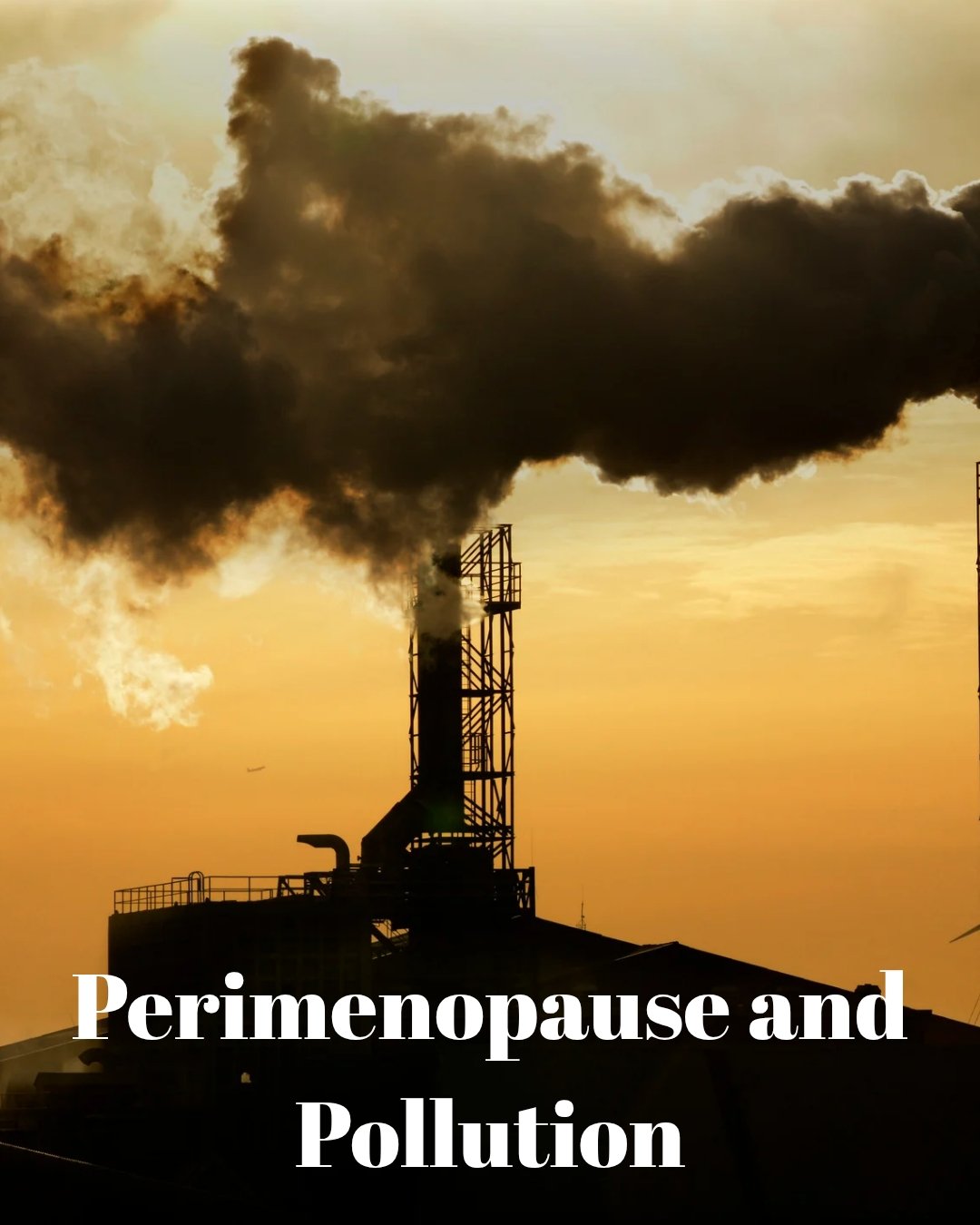
Two of the most common gases in urban and suburban air, nitrogen dioxide (NO2) from vehicle exhaust and sulfur dioxide (SO2) from industrial combustion, crossed the lung-blood barrier, reached the ovaries through systemic circulation, and disrupted the hormonal rhythm that governs menstrual regularity. Women exposed to higher levels of NO2 over 120 days had 24% higher odds of short-interval menstrual cycle irregularity (OR=1.24, 95% CI: 1.03, 1.50). SO2 exposure over 150 days raised the odds 7% per interquartile range increase (OR=1.07, 95% CI: 1.03, 1.12). When both gases were analyzed as a combined pollution mixture, each quintile increase raised the odds another 7% (OR=1.07, 95% CI: 1.00, 1.14). These findings, published in February 2026 in Yonsei Medical Journal by researchers at Yonsei University College of Medicine, came from 4,478 premenopausal women in the Korea National Health and Nutrition Examination Survey, and represent only the second epidemiological study to directly link ambient air pollution to menstrual cycle irregularity.1
Inhaled pollutants and their metabolites cross from the lungs into the bloodstream and travel through systemic circulation to the ovaries and other reproductive organs. Once there, they damage ovarian tissue through oxidative stress and inflammation and expose the tissue to chemicals with endocrine-disrupting properties. Laboratory studies have confirmed that air pollution compounds exhibit both estrogenic and anti-estrogenic activity at the estrogen receptor and anti-progesterone activity at the progesterone receptor. Urban women exposed to air pollution have shown higher estrogen levels and a higher estrogen-to-progesterone ratio during the early luteal phase, the post-ovulation window when the uterine lining prepares for potential implantation. NO2 exposure has been independently linked to a prolonged follicular phase (the first half of the cycle, when an egg matures), decreased fecundability (the monthly probability of conception), increased miscarriage rates, and lower live birth rates after in vitro fertilization. SO2 exposure has been associated with decreased ovarian reserve (the remaining egg supply), reduced conception rates, and elevated miscarriage rates. Menstrual cycle disruption is one manifestation of a broader pattern of reproductive harm from these gaseous pollutants.1
When the researchers analyzed NO2 and SO2 together as an air pollution mixture, each quintile increase in combined exposure raised the odds of short-interval menstrual irregularity by 7% (OR=1.07, 95% CI: 1.00, 1.14). Real-world exposure involves breathing multiple pollutants simultaneously, and most air quality policies affect the levels of several pollutants at once, making the mixture analysis a more accurate reflection of actual environmental burden than single-pollutant models.
The associations held across multiple exposure windows: 90, 120, 150, and 180 days. The researchers selected the 120-day NO2 and 150-day SO2 averages for their primary analysis because these time frames produced the best statistical model fit and corresponded to the outcome definition based on average cycle intervals. The effects were specific to short-interval irregularity, defined as cycles averaging less than 3 months apart. Long-interval irregularity (cycles 3 months or more apart) and secondary amenorrhea are more commonly driven by conditions affecting the hypothalamic-pituitary-ovarian axis, including PCOS, primary ovarian insufficiency, and hypothyroidism.1
Menstrual cycle irregularity affects between 9.1% and 30.3% of menstruating women worldwide. Irregular cycles have been independently associated with infertility, ovarian cancer, breast cancer, type 2 diabetes, nonalcoholic fatty liver disease, cardiovascular disease, and premature mortality. Because the menstrual cycle operates as a sensitive indicator of overall hormonal and metabolic health, disruptions from environmental pollutants carry consequences well beyond fertility.
Only one previous epidemiological study, using the U.S. Nurses’ Health Study II, had directly linked air pollution to menstrual irregularity, and it examined only total suspended particulates during high school. This Korean study extends that evidence to specific gaseous pollutants across the full premenopausal age range.1
Remove Obstacles to Health: The first clinical action is identifying and reducing the exposure. Practitioners should add environmental exposure history to every reproductive health evaluation for premenopausal women reporting menstrual cycle changes. The intake should document residential proximity to major roadways, industrial facilities, and high-traffic corridors, occupational exposure to combustion byproducts, diesel exhaust, and industrial emissions, and years lived at each address. Indoor air filtration with HEPA systems reduces fine particulate exposure by approximately 50%, and activated carbon filters reduce gaseous pollutant concentrations including NO2 and SO2 indoors. Practitioners should recommend both filter types for patients in high-pollution areas, particularly those presenting with cycle irregularity, subfertility, or hormonal imbalances. Monitoring local air quality through government databases (such as AirNow.gov in the U.S. or AirKorea in South Korea) and advising patients to limit outdoor exertion on high-pollution days provides a measurable, low-cost exposure reduction strategy. A woman who has spent a decade living within 200 meters of a highway has a fundamentally different exposure profile than one in a low-traffic residential area, and that difference now has documented hormonal consequences.
Stimulate the Healing Power of Nature: Once the exposure is identified and reduced, the body’s innate repair mechanisms can begin to restore hormonal cycling. Sleep hygiene and circadian rhythm support are foundational here because the hypothalamic-pituitary-ovarian axis that governs menstrual regularity is tightly coupled to circadian signaling. Regular physical activity in low-pollution environments (parks, indoor facilities, early morning before traffic peaks) supports endogenous antioxidant defense and improves hormonal regulation. Stress reduction practices that lower cortisol output reduce the additional hormonal burden on an already disrupted axis.
Strengthen and Restore: Targeted nutritional and supplemental support addresses the specific damage pathways this study implicates: oxidative stress to ovarian tissue and endocrine disruption of estrogen and progesterone cycling. N-acetylcysteine (NAC) at 600mg twice daily replenishes glutathione, the primary intracellular antioxidant that pollutant-induced oxidative stress depletes. Vitamin C (500-1000mg daily) and vitamin E (400 IU daily mixed tocopherols) provide additional antioxidant protection for reproductive tissue. Liver support for phase I and phase II detoxification aids clearance of pollutant metabolites. Cruciferous vegetable intake (broccoli, kale, Brussels sprouts) or supplemental diindolylmethane (DIM) at 100-200mg daily supports estrogen metabolism through the preferred 2-hydroxy pathway, helping to rebalance the estrogen-to-progesterone ratio that air pollution disrupts. Vitex agnus-castus (chasteberry) at 20-40mg daily standardized extract has demonstrated efficacy in regulating menstrual cycle timing through dopaminergic effects on the pituitary.
Use Natural Substances: For patients with documented short-interval menstrual irregularity and confirmed environmental exposure, botanical protocols targeting the hypothalamic-pituitary-ovarian axis provide a therapeutic layer beyond nutritional restoration. Adaptogenic herbs including ashwagandha (Withania somnifera) and Rhodiola rosea support adrenal-ovarian communication under environmental stress. Practitioners should evaluate menstrual cycle regularity alongside environmental exposure as a differential, concurrent with standard endocrine evaluation of thyroid function, ovarian reserve, prolactin, and sex hormone profiles.1
Environmental impact on menstrual regularity varies by geography, proximity to pollution sources, occupational exposure, and individual hormonal resilience. The study found stronger associations between NO2, SO2, and menstrual irregularity in women aged 40 and older, consistent with the diminished ovarian reserves and reduced cellular repair capacity that characterize late reproductive transition. Patients with existing hormonal imbalances, thyroid dysfunction, or polycystic ovary syndrome may experience more pronounced effects from environmental exposures. A woman commuting daily through high-traffic urban corridors carries a different environmental risk profile than one in a low-traffic residential area. The study population had a mean age of 35.2 years, a mean BMI of 22.4, and was 87.3% never-smokers. Assessment must account for the specific pollutant mix each patient encounters because blanket reproductive health counseling underestimates the role of cumulative environmental burden in individual cycle disruption.1
This study validates the naturopathic model of care at a population level. The therapeutic order, the clinical framework that guides naturopathic practice from least invasive to most invasive intervention, maps directly onto what this research demands. The first step is identifying the environmental cause. The next is supporting the body’s capacity to heal. The last is targeted restoration of the damaged system. Conventional reproductive medicine typically enters at the pharmaceutical or procedural level, prescribing oral contraceptives to regulate cycles or referring for fertility interventions without investigating the environmental inputs driving the disruption. This research makes the case that the question is not just whether a patient’s cycle is irregular, but what in her environment is making it irregular, and what can be changed before hormonal or pharmacological intervention is considered. Practitioners trained in environmental medicine and the therapeutic order are positioned to answer both questions.
Choi J, Shin S, Cho J, Kim C, Kim KN. Associations between ambient air pollution exposure and menstrual cycle irregularity in premenopausal women. Yonsei Med J. 2026;67(2):165-174. doi:10.3349/ymj.2025.0010
“Irregular Menstruation: Overview and Case Studies,” NDNR.com: https://ndnr.com/womens-health/irregular-menstruation-overview-and-case-studies/
“Fertility and Toxicity: The Powerful Effects of Endocrine Disruptors,” NDNR.com: https://ndnr.com/endocrinology/fertility-and-toxicity-the-powerful-effects-of-endocrine-disruptors/
“Environmental Hormone Disruption,” NDNR.com: https://ndnr.com/environmental-hormone-disruption/
“Air Pollution and Heart Failure: Hospital Readmissions Show Clear Link,” NDNR.com: https://ndnr.com/cardiopulmonary-medicine/air-pollution-heart-failure-hospital-readmissions-show-clear-link/