

A...
Chemotherapy-Induced Peripheral Neuropathy: An Evidence-Based Guide for Naturopathic Physicians
read more
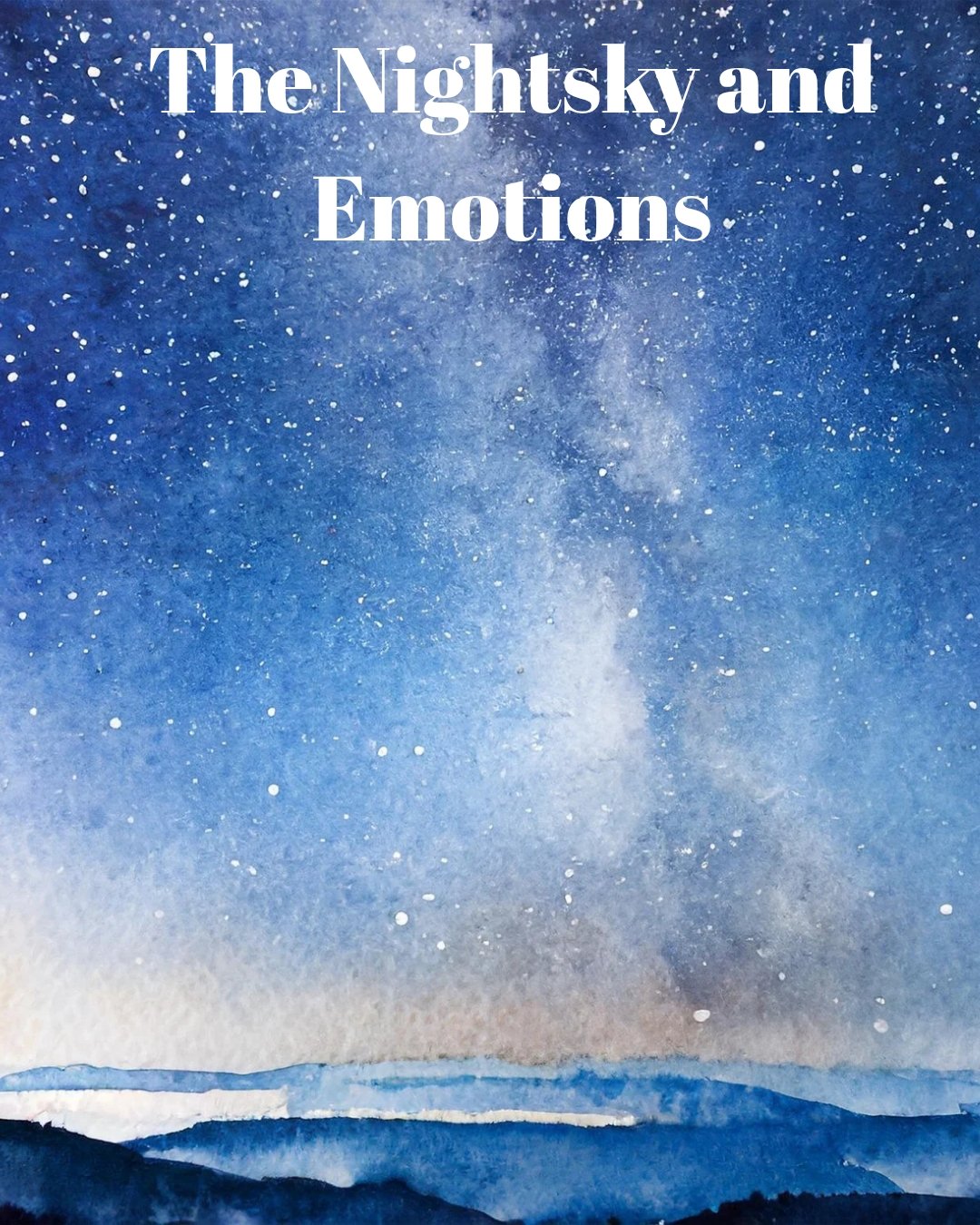
Photographs of deep space and starry night skies activated all 6 measured dimensions of awe in approximately 2.5 minutes. Participants viewed 21 images, each for 20 seconds, and the emotional shift was consistent across the entire sample. Vastness produced the largest response, and every other dimension followed: self-diminishment, time distortion, physical sensation, connectedness, and cognitive struggle. Positive emotion increased across both types of night sky imagery, and negative emotion did not increase at all. Both deep space and starry skies were rated substantially more pleasant than urban cityscapes. Published in the International Journal of Psychology (February 2026), the Capilano University team tested 113 participants using James Webb telescope photographs for deep space and standard night sky photography for stars.
The study used a validated 30-item scale (the Awe Experience Scale) that measures 6 distinct dimensions: vastness, self-diminishment, time distortion, physical response, connectedness, and accommodation, which is the struggle to comprehend what you are seeing. Deep space and starry night images activated all 6 compared to urban cityscapes. Vastness and accommodation produced the strongest responses, with large effects in both.
These two dimensions matter clinically because patients experiencing burnout, emotional numbness, or loss of meaning are often stuck in constricted emotional states where the self feels large relative to the world. These images reversed that ratio in minutes. The face-to-face pilot, conducted in a darkened room with a large screen, produced even stronger accommodation effects than the online version, which suggests that immersive settings amplify the response and that in-office viewing on a large display may produce more pronounced results than sending a patient home with a link.
Starry night sky photographs scored highest on perceived restoration, the feeling that depleted mental focus is being replenished, higher than both deep space images and urban cityscapes. This aligns with attention restoration theory, which predicts that natural environments engage the mind through soft fascination, an effortless form of attention that lets the overworked prefrontal cortex recover. Stars are familiar enough to provide that soft engagement because humans navigated by them for millennia, and their visual pattern requires no cognitive effort to process.
Deep space images from the James Webb telescope produced a different response. They scored higher on accommodation and cognitive challenge, meaning participants found them harder to comprehend, which is consistent with the researchers’ prediction that environments humans never evolved in would be simultaneously beautiful and disorienting. That combination makes deep space imagery valuable for patients stuck in rumination or a constricted worldview, because the experience of struggling to comprehend something vast can interrupt the self-referential thought loops that characterize burnout and emotional flatness. People who already felt connected to the night sky responded more strongly across every outcome.
Stimulate the Healing Power of Nature (Vis Medicatrix Naturae): This study measured vis medicatrix naturae in a controlled experiment, demonstrating that visual exposure to natural dark space environments alone shifted emotional state across every dimension of awe the researchers tested, without any increase in negative emotion and in approximately 2.5 minutes of total viewing time. Because the body sections above established that stars and deep space produce distinct therapeutic effects, practitioners can match the intervention to the clinical presentation and direct patients toward whichever type of dark space addresses their primary complaint. The James Webb galleries are freely available at webbtelescope.org, which makes them particularly valuable for patients whose access to dark skies is limited by urban light pollution, mobility constraints, or geographic location. Because the protocol that produced these large effects required only 7 images viewed for 20 seconds each, practitioners can integrate awe-based exposure into existing treatment plans for chronic stress, emotional flatness, or burnout as a first-tier intervention that costs nothing, carries no side effects, and can begin the same evening the patient leaves the office.
People who already feel drawn to the night sky responded more strongly across every outcome, suggesting that patients with existing nature connection will take to awe-based interventions quickly, while others may need graduated exposure or guided experiences to build receptivity. Fear of the dark increased both positive and negative emotional responses, so patients with anxiety disorders or trauma histories involving darkness may do better starting with screen-based deep space image viewing rather than outdoor stargazing. Urban patients surrounded by light pollution may have diminished baseline connection to the night sky and could benefit from dark sky preserves or planetarium visits as stepping stones. Patients on SSRIs, benzodiazepines, or other medications that blunt emotional affect may show diminished awe responses and should be monitored for whether these practices produce the expected shifts. The study sample was 93% Canadian, and the researchers acknowledged that cultural background may influence how people respond to dark space imagery, so practitioners working with culturally diverse patient populations should treat these findings as a starting framework rather than a universal prescription.
This study quantifies what vis medicatrix naturae has always implied: that nature acts on the human nervous system through specific pathways, and that the therapeutic effect extends beyond green spaces and blue spaces into the night sky and deep space. The biophilia hypothesis predicts that humans carry an evolutionary affinity for natural environments that promotes emotional well-being, and this study tested that prediction directly by comparing natural dark space imagery against urban environments in a controlled design. What emerged is evidence that the naturopathic principle of working with nature’s healing capacity applies not only to the forests, rivers, and gardens practitioners already recommend, but to the cosmos itself, reinforcing the idea that the further a patient’s daily environment drifts from the natural world, the more their emotional and attentional health may erode in ways that conventional symptom management alone cannot address.
“Natural Medicine: The Healing Effects of Exposure to Nature,” NDNR.com: https://ndnr.com/botanical-medicine/natural-medicine-the-healing-effects-of-exposure-to-nature/
“Mind-Body Medicine,” NDNR.com: https://ndnr.com/mind-body-medicine/
“Psychospiritual Medicine,” NDNR.com: https://ndnr.com/psychospiritual-medicine/
“A Naturopathic Approach to Trauma: Engaging the Body’s Vital Force,” NDNR.com: https://ndnr.com/vital-force-trauma-healing/
Citation: Martens JP, Prokopetz M, Tomlinson K. The Influence of Deep Space and the Stars on Emotions. Int J Psychol. 2026;61(1):e70146. doi:10.1002/ijop.70146