

A...
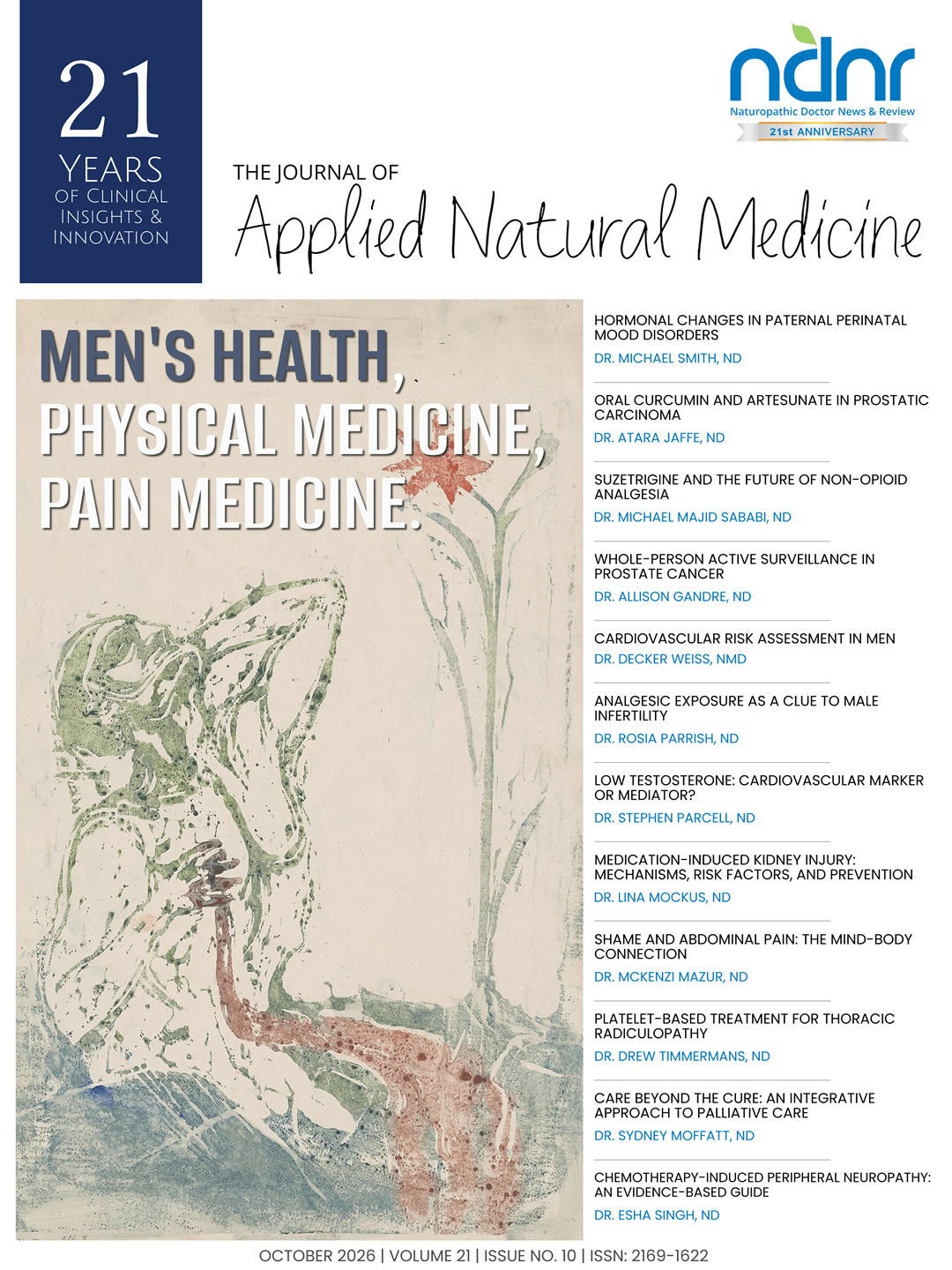
Chemotherapy-Induced Peripheral Neuropathy: An Evidence-Based Guide for Naturopathic Physicians
read more
Researchers are looking at a gene which is vital in the ability to rebound from sleep deprivation.1 The surprising aspect of the discovery is that the gene is not located in the brain, but in skeletal muscle. It may allow for targeted treatments of insomnia and other sleep disorders without a drug necessarily having to cross into the brain.
They are referring to Bmal1, as a “critical master gene that regulates sleep patterns.” it is located in skeletal muscle. Tests on mice have shown its activation to actually make the animals resistant to sleep deprivation. By turning off Bmal1 in the brain and body of mice, sleep deprivation severely impacted the subjects, but restoring the genes in just skeletal muscle allowed for an increased resistance to sleep deprivation. Turning the gene back on in the brain had no effect. In addition, increasing the level of the gene in skeletal muscle enhanced the degree of resilience to lack of sleep experienced by the mice. The mice were able to tolerate less sleep and recuperate faster from a 24 hour period of no sleep.
The researchers kept the subjects awake for 24 hours, and measured their brain activity when they had increased levels of Bmal1 (about 6 times normal), using electroencephalogram. The mice with increased levels proved less sleepy and slept substantially less following the 24 hour sleep deprivation period. Conversely, when the Bmal1 genes were knocked down, mice were far sleepier and did not show an ability to recover from a lack of sleep.
Chronic sleep loss is known to increase the risk of many diseases, such as heart disease, stroke, diabetes, and other illnesses. It lowers immune function, increases sympathetic tone, and overall well-being. This could be great news for treatments targeted to help people who are losing sleep caring for a newborn, or working a job which alters sleep patterns, such as shift work or military service. It may also point to exercises which promote muscle growth and tone as potentially being beneficial to sleep, over aerobic exercise.
Source
 Node Smith, associate editor for NDNR, is a fifth year naturopathic medical student at NUNM, where he has been instrumental in maintaining a firm connection to the philosophy and heritage of naturopathic medicine amongst the next generation of docs. He helped found the first multi-generational experiential retreat, which brings elders, alumni, and students together for a weekend campout where naturopathic medicine and medical philosophy are experienced in nature. Three years ago he helped found the non-profit, Association for Naturopathic ReVitalization (ANR), for which he serves as the board chairman. ANR has a mission to inspire health practitioners to embody the naturopathic principles through experiential education. Node also has a firm belief that the next era of naturopathic medicine will see a resurgence of in-patient facilities which use fasting, earthing, hydrotherapy and homeopathy to bring people back from chronic diseases of modern living; he is involved in numerous conversations and projects to bring about this vision.