

A...
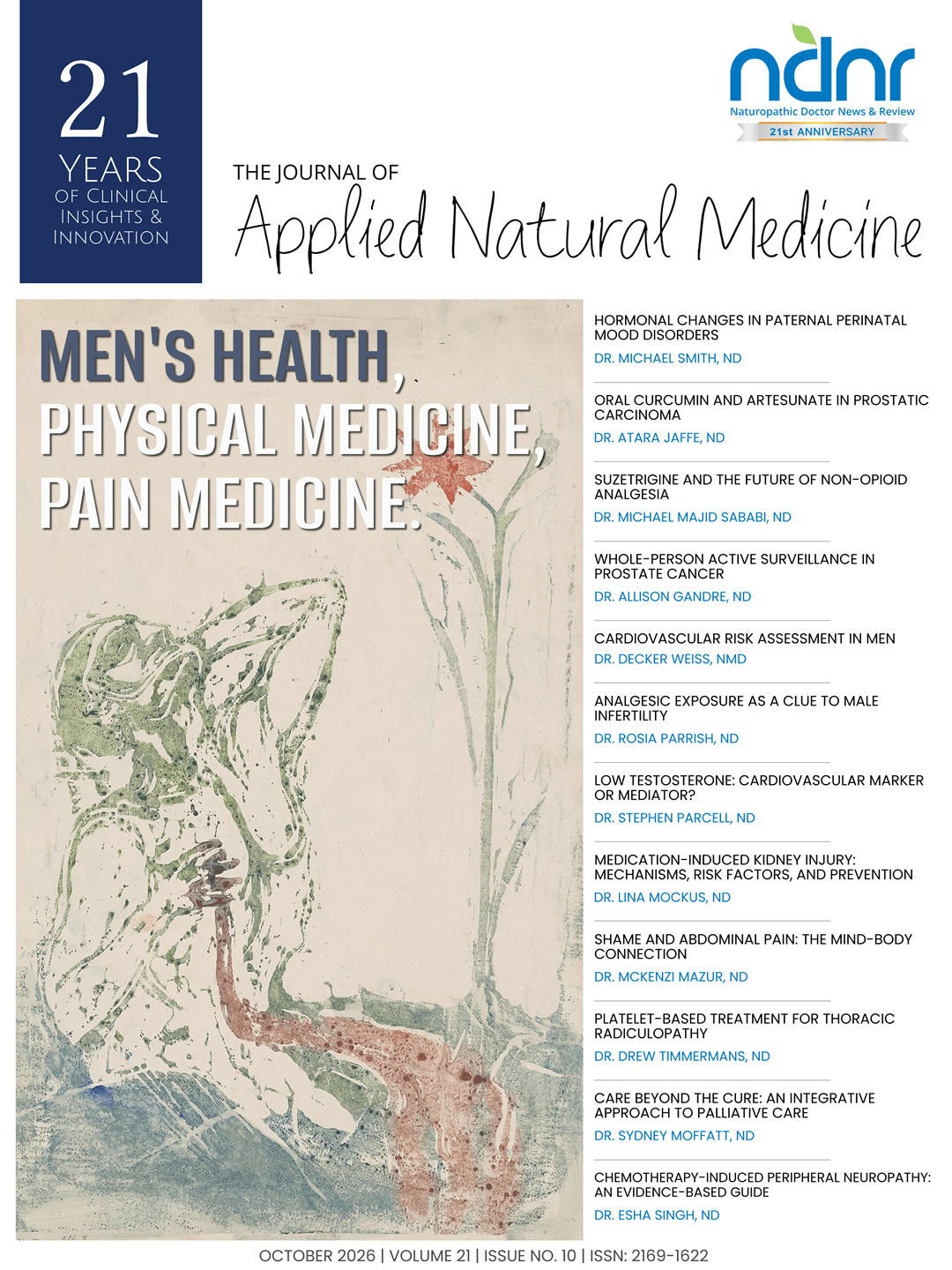
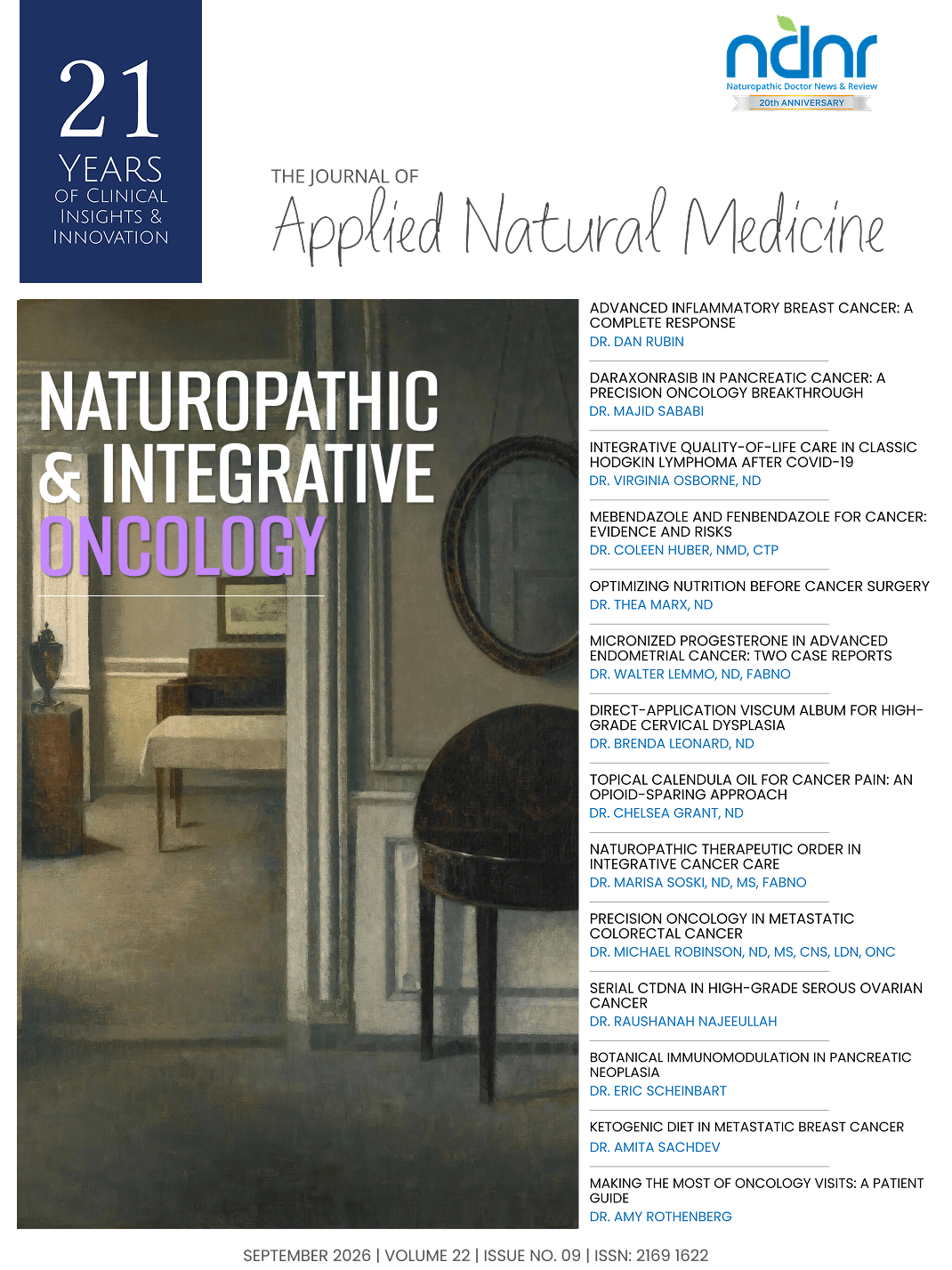
Chemotherapy-Induced Peripheral Neuropathy: An Evidence-Based Guide for Naturopathic Physicians
read more
Scientists have recently developed a protein sequences that shows promise in killing 58 types of human tumors.1 The protein sequences, known as nullomers, are the shortest combinations of DNA base pairs, that while theoretically possible, are not found in any living organism. The immune system is very active to respond to nullomers (because they are not part of the human genome), and researchers have begun testing hundreds of various combinations to see if any are specifically relevant in cancer treatment.
Researchers at Boise State University report 2 drugs, 9R and 9S1, both nullomers, which have been shown to be effective on 58 of the 60 tumors included in the National Cancer Institutes NCI-60 panel (a panel of various cancer cells from 9 different organ systems). These 2 nullomers are among many that have no effect at all, and a list of almost 200 still to be tested. To date, there has not been promise of a drug element, in this case a protein, which is effective against both blood and solid tumor cancers, and from such a number of different organ systems. The types of cancers included on the panel, which 9R and 9S1 were shown to effectively kill, include kidney, ovary, skin melanoma, lung, brain, colon, prostate, and blood.
There were some toxic effects seen in normal cell lines, however the cancer cells were predominantly affected. Currently, the research has turned to making the promising nullomers more specific to only tumor cells. Though the nullomers do show promise as future cancer treatment, it is years away before a drug will be likely to be available for human trials.
Source
1. Alileche A, Hampikian G. The effect of Nullomer-derived peptides 9R, 9S1R and 124R on the NCI-60 panel and normal cell lines. BMC Cancer. 2017;17(1):533.
The full article is available online at: https://bmccancer.biomedcentral.com/articles/10.1186/s12885-017-3514-z
 Node Smith, associate editor for NDNR, is a fifth year naturopathic medical student at NUNM, where he has been instrumental in maintaining a firm connection to the philosophy and heritage of naturopathic medicine among the next generation of docs. He helped found the first multi-generational experiential retreat, which brings elders, alumni, and students together for a weekend camp-out where naturopathic medicine and medical philosophy are experienced in nature. Three years ago he helped found the non-profit, Association for Naturopathic ReVitalization (ANR), for which he serves as the board chairman. ANR has a mission to inspire health practitioners to embody the naturopathic principles through experiential education. Node also has a firm belief that the next era of naturopathic medicine will see a resurgence of in-patient facilities which use fasting, earthing, hydrotherapy and homeopathy to bring people back from chronic diseases of modern living; he is involved in numerous conversations and projects to bring about this vision.