

A...
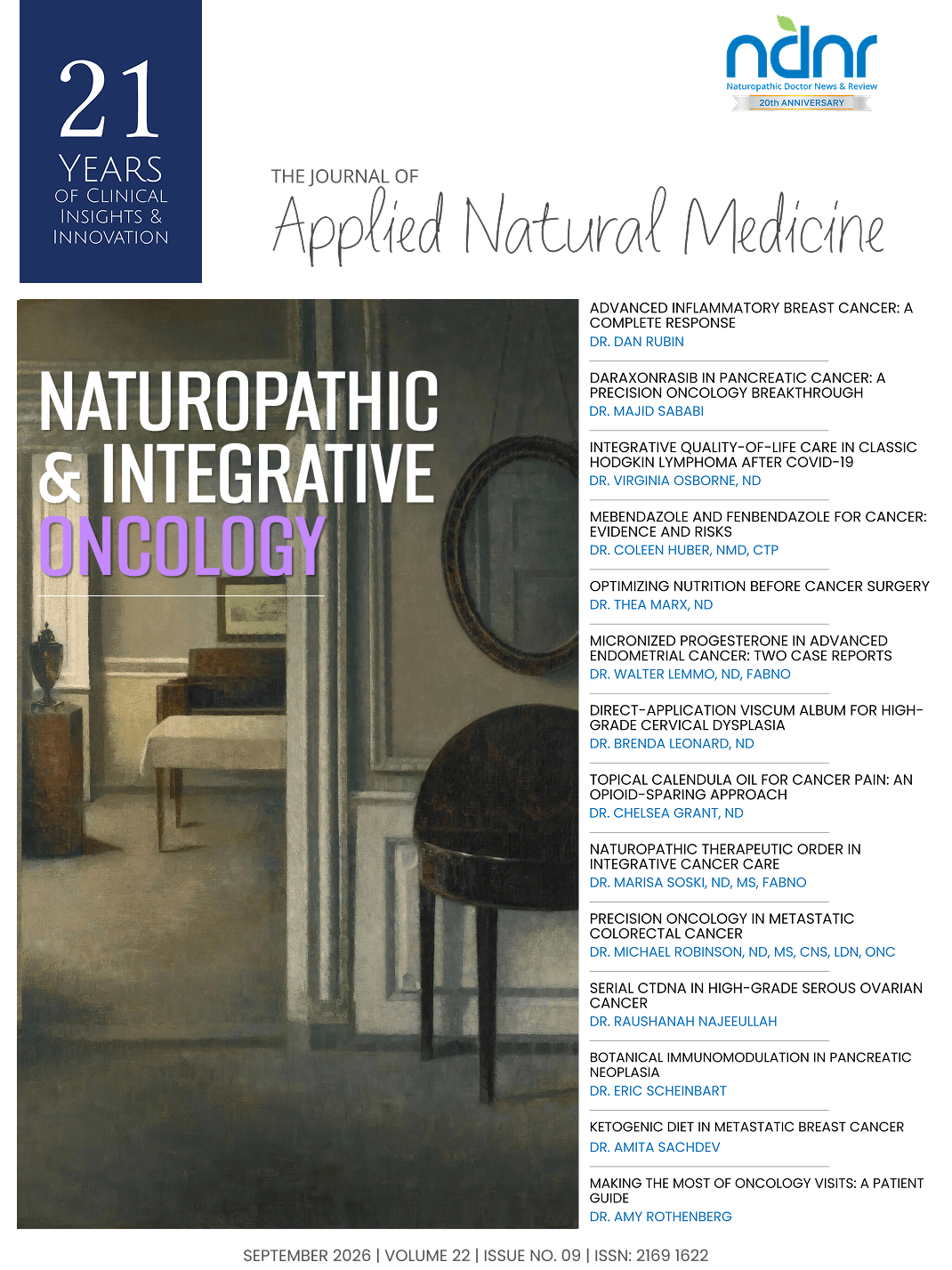
Chemotherapy-Induced Peripheral Neuropathy: An Evidence-Based Guide for Naturopathic Physicians
read more
Node Smith, ND
A recent study has found that there may be a significant increase in cardiovascular events, resulting in death of postmenopausal women who have been on hormone replacement therapy and subsequently discontinue therapy.1 Hormone replacement therapy (HRT or HT) is a controversial topic, as menopausal symptoms can be incredibly bothersome and life-altering for some women. Information which supports and guides these therapeutic decisions more clearly are important for defining a standard approach for the use of HRT in this patient population.
The study was endorsed and published by the North American Menopause Society (NAMS), and is most significant for postmenopausal women under the age of 60. The study acknowledges the benefits of estrogen to the heart and its “rapid beneficial vascular effects, however has found that once a woman has been put on hormone therapy there is an increase in cardiac and stroke death in the first year after discontinuation of the therapy. These results have been seen in other studies, according the NAMS, however they have been questioned because women with documented heart problems had not been excluded from the study.
The current study looks at over 400,000 Finnish women (none of which have previous histories of cardiac or vascular events). The results supported an “increase [in] cardiac and stroke death risk in the first year after discontinuation of postmenopausal hormone therapy.”1 This was especially significant in women younger than 60 who discontinued HT. The increased risk was not seen in women over 60 at the time of discontinuation.
In the press release issued by NAMS regarding the study, Dr. JoAnn Pinkerton, NAMS executive director offers that “[s]ince the initial Women’s Health Initiative reports, studies have shown that hormone therapy has many benefits and is safer than originally thought. This is especially true for symptomatic menopausal women younger than age 60 and within 10 years of menopause – these women had fewer heart events and less risk of mortality.” However, this new information suggests there may be an added risk if these younger women discontinue HT; something which needs to be considered as part of the conversation and decision on initiating this treatment.
Source:
 Node Smith, ND, is a naturopathic physician in Portland, OR and associate editor for NDNR. He has been instrumental in maintaining a firm connection to the philosophy and heritage of naturopathic medicine among the next generation of docs. He helped found the first multi-generational experiential retreat, which brings elders, alumni, and students together for a weekend camp-out where naturopathic medicine and medical philosophy are experienced in nature. Four years ago he helped found the non-profit, Association for Naturopathic ReVitalization (ANR), for which he serves as the board chairman. ANR has a mission to inspire health practitioners to embody the naturopathic principles through experiential education. Node also has a firm belief that the next era of naturopathic medicine will see a resurgence of in-patient facilities which use fasting, earthing, hydrotherapy and homeopathy to bring people back from chronic diseases of modern living; he is involved in numerous conversations and projects to bring about this vision.