

A...
Chemotherapy-Induced Peripheral Neuropathy: An Evidence-Based Guide for Naturopathic Physicians
read more
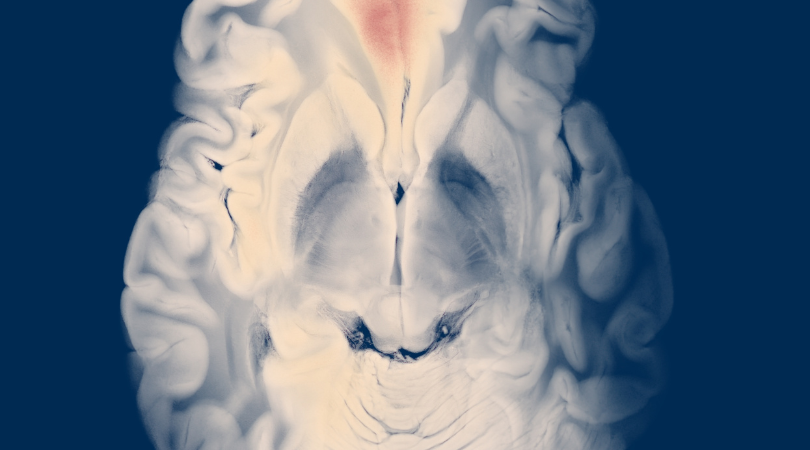
Exploring how chronic stress, inflammation, and the gut-brain-hormone connection influence sperm quality—and how integrative, mind-body interventions can restore reproductive vitality in men.
This article examines male infertility through a psychoneuroimmunological lens, highlighting how stress, inflammation, gut microbiome imbalance, and epigenetic changes impair sperm function. It also reviews evidence-based naturopathic and mind-body strategies that support hormone balance, immune health, and fertility restoration.
Male infertility represents a significant and growing public health concern in the United States. According to recent national data, approximately 11.4% of men ages 15-49 experienced some form of infertility between 2015 and 2019 1, with current estimates suggesting approximately 9% of men of reproductive age currently face fertility challenges.2 Male factors contribute to roughly 50% of all infertility cases––being solely responsible in 20-30% and a contributing factor in another 30-40%.3 These statistics point to an often-overlooked reality: male reproductive health significantly impacts the fertility of couples seeking to conceive.
The question of whether sperm counts are declining is up for debate. While several high-profile meta-analyses between 2017 and 2022 suggested global sperm counts had declined by 50-59% since 1973 4, with acceleration after 2000 to 2.64% annually,5 a 2024 systematic meta-analysis in Fertility Sterility analyzing 75 studies of 11,787 U.S. men found no significant changes in sperm concentration among fertile or unselected American men over a 53-year period.6
In recent years, researchers are focusing on functional fertility: the capacity to achieve conception regardless of raw sperm count. Sperm quality parameters including motility (movement), morphology (shape), and DNA integrity may be declining even when concentration remains stable. Preliminary findings suggests the fertility crisis may not be due to sperm count specifically, but rather issues in sperm functionality, driven by lifestyle factors, obesity, environmental toxins, chronic inflammation, and psychosocial stress-mechanisms.7
A couple– wife aged 26 and husband aged 29– presented to a fertility clinic seeking in vitro fertilization (IVF) after unsuccessfully trying to conceive for three years. The male partner had a history of tobacco use and worked as a farmer with occupational exposure to agricultural pesticides. The female partner had no significant health concerns, no known fertility issues, and demonstrated normal testing including hormonal profiles and regular menstrual cycles. Both appeared to be in good general health, with neither reporting a history of thyroid dysfunction, diabetes, pre-existing medical conditions, or family histories of fertility problems.
The male patient’s semen analysis revealed severe oligoasthenoteratozoospermia: 80% of sperm were nonmotile, and 98% demonstrated structural defects with abnormal morphology. Sperm concentration measured only 10 million/mL (reference ≥16 million/mL), total motility was 20% (reference 40-43%), and only 2% exhibited normal morphology (reference 3.9-4.0%).
Hormonal evaluation showed elevated luteinizing hormone (8.0 mIU/mL), suppressed testosterone (1.78 ng/mL), and elevated estradiol (58 pg/mL)-a pattern consistent with environmental toxin exposure and endocrine disruption affecting the hypothalamic-pituitary-gonadal axis.
Table 1: Baseline semen analysis parameters
| Semen parameters | Result | Reference value |
| Ejaculatory abstinence | 3 days | 2-7 days |
| Volume | 1.4 ml | 1.4-5 ml |
| Appearance | Grey opalescent | Grey opalescent |
| pH | 7.2 | 7.2-7.8 |
| Sperm count | 10 million/ml | ≥ 16million/ml |
| Total sperm motility | 20% | 40-43% |
| Morphology | 2% | 2.9-4.0% |
Table 2: Baseline hormone testing
| Semen parameters | Result | Reference value |
| LH mIU/ml | 8.0 mIU/ml | 0.8-7.6 mIU/ml |
| Testosterone ng/ml | 1.78 mIU/ml | 2.50-9.50 mIU/ml |
| Progesterone ng/ml | 0.7 ng/ml | 0.27-0.9 ng/ml |
| Estradiol pg/ml | 58 pg/ml | 20-55 pg/ml |
| FSH mIU/ml | 1.22 mIU/ml | 1.5-12.4 mIU/ml |
| Prolactin ng/ml | 18 ng/ml | <20 ng/ml |
Given the potential links between male factor infertility and occupational pesticide exposure and chronic stress, clinicians implemented an integrative treatment approach prior to proceeding with assisted reproductive technology.
By examining the intricate communication between the brain, immune system, and endocrine systems, the field of psychoneuroimmunology offers a fresh perspective on male infertility. Although the hypothalamic-pituitary-adrenal (HPA) axis remains central to this network, prolonged stress simultaneously disrupts several regulatory systems. Chronic stress alters sperm quality and molecular “blueprints,” potentially influencing children’s brain development and metabolism.8
It also triggers three interrelated biological disturbances:
Stress suppresses pulses of gonadotropin-releasing hormone (GnRH)– the signal that initiates testosterone and sperm production– reducing Leydig cell hormone output and weakening Sertoli cell support for sperm maturation.9 Elevated cortisol further blunts the pituitary’s response to GnRH, particularly in the presence of estradiol. 10 This creates a self-perpetuating cycle: cortisol suppresses the hormones that stimulate testosterone, while low testosterone can no longer effectively regulate the stress response, reinforcing reproductive dysfunction. 11
Perhaps the most revolutionary insight in contemporary psychoneuroimmunology (PNI) research involves the gut-brain-fertility axis, a complex communication network linking psychological stress to reproductive outcomes through the gut microbiome.12
Chronic stress activation disrupts the healthy balance of gut bacteria (dysbiosis) 13, reducing production of beneficial compounds like short-chain fatty acids and antioxidants while allowing harmful bacteria to overgrow. This imbalance weakens the intestinal barrier, allowing bacterial toxins called lipopolysaccharides (LPS) to leak into the bloodstream.14 These are the same toxins found in elevated levels in individuals with neurological disorders like Alzheimer’s disease.14 These toxins trigger body-wide inflammation that reaches the testicles, where immune cell infiltration and oxidative damage directly impair sperm production.15
Emerging data reveal a protective pattern: individuals with high stress resilience exhibit distinct gut microbial signatures associated with reduced inflammation and stronger gut barrier integrity.16 This microbiome-mediated resilience appears to buffer against stress-induced fertility decline through multiple pathways: balancing sex hormone levels in the bloodstream, improving insulin sensitivity, protecting the immune-privileged environment of the testicles, and even influencing the local bacterial communities within reproductive tissues.17
The gut microbiome also controls the metabolism of tryptophan-the building block for both serotonin (the mood neurotransmitter) and melatonin (the sleep hormone).18 When gut bacteria are imbalanced, this disrupts both the body’s daily hormonal rhythms and the testicles’ antioxidant defense systems, creating a cascade of fertility-compromising effects.19
A noteworthy advancement in stress-related male infertility involves exploring sperm epigenetic reprogramming– the process by which a father’s psychological experiences become molecularly encoded in his sperm and potentially transmitted to his children. Emerging research demonstrates that men with histories of childhood trauma or current severe depression display altered chemical markers on their sperm DNA and changes in small regulatory molecules called microRNAs. 20
These epigenetic modifications are not random– they cluster around genes that control brain development, including genes linked to mood regulation and the formation of dopamine-producing neurons in developing embryos.21 In high-stress individuals, researchers observed 19-21% reductions in these chemical markers, suggesting that a substantial proportion of sperm within a single ejaculate carry stress-induced signatures that may influence offspring neurodevelopment and metabolic health.22
How does stress “reprogram” sperm? The mechanism involves a communication system in the epididymis- the tube where sperm mature after leaving the testicles. When a male experiences significant stress, cells lining the epididymis alter their function and release tiny bubble-like structures called extracellular vesicles (EVs). This response occurs 2-3 months after the stressful event.23 These EVs contain modified microRNAs and proteins that are absorbed by sperm as they pass through, essentially “tagging” them with stress-related molecular information.
When researchers exposed normal sperm to these stress-modified EVs in the laboratory, the sperm changed their energy metabolism and absorbed the stress-related molecular cargo changes that persisted through fertilization and influenced how genes were expressed in the resulting embryos.23
This suggests that paternal stress exposure doesn’t just affect sperm quality; it may alter the biological information passed to the next generation, with potential implications for offspring brain development, stress response, and metabolic regulation.
While both depression and anxiety involve dysregulation of the body’s stress response system (the HPA axis), recent large-scale research reveals an important distinction: depression specifically-rather than generalized anxiety-correlates with measurable declines in sperm quality.24
Men with moderate-to-severe depression show 9.13% lower progressive motility (the percentage of sperm swimming forward effectively), 11.14% reduced total motility (overall sperm movement), and a striking 47.71 million/mL decrease in sperm concentration compared to non-depressed men. These effects are significantly amplified in men sleeping fewer than seven hours nightly.24 Anxiety, by contrast, showed minimal association with sperm parameters except at severe levels.24
This distinction likely reflects differing biological patterns: depression is characterized by chronically elevated inflammatory markers (proinflammatory cytokines)25 and persistently dysregulated cortisol levels, whereas acute, transient anxiety involves more short-term activation of the “fight-or-flight” nervous system without the same degree of sustained inflammation.26
Sleep deprivation appears to worsen depression’s effects on fertility by further disrupting stress hormone regulation and suppressing testosterone production.27 This occurs partly through phoenixin, a brain signaling molecule that controls reproductive hormone activity, which becomes depleted under conditions of chronic stress and insufficient rest.28
Given these multilayered mechanisms, effective integrative naturopathic treatment includes addressing: neuroendocrine regulation, immune homeostasis, and epigenetic integrity simultaneously through evidence-based integrative modalities.
Mindfulness-based interventions (MBIs) exert measurable effects on psychoneuroimmune pathways relevant to fertility. An 8-week mindfulness meditation protocol delivered significantly reduced depression and anxiety scores in individuals undergoing fertility treatment.29 Mechanistically, MBIs downregulate NF-κB-mediated inflammatory gene expression, reduce circulating IL-6 and C-reactive protein, normalize diurnal cortisol rhythms, and potentially reduce oxidative stress markers including seminal reactive oxygen species.29
Brief daily practices (such as 10-20 minutes) appear sufficient to recalibrate prefrontal-limbic connectivity and dampen sympathetic overactivation.30 Importantly, mindfulness reduces physiological stress markers including cortisol and inflammatory cytokines31 — mechanisms directly relevant to preserving sperm quality during chronic stress exposure.
Therapeutic restoration of gut eubiosis represents a novel fertility-enhancing strategy.12 Dietary patterns emphasizing prebiotic fiber (targeting production of butyrate and propionate), fermented foods containing Lactobacillus rhamnosus and Bifidobacterium longum, and polyphenol-rich botanicals (green tea catechins, pomegranate ellagitannins) facilitate microbial diversity and anti-inflammatory metabolite production.32
Omega-3 fatty acids (EPA/DHA at 2-3 g/day) reduce systemic IL-6 while enhancing testicular expression of antioxidant enzymes including glutathione peroxidase and superoxide dismutase.33 This dual action-systemic immune modulation combined with local testicular protection exemplifies the psychoneuroimmune principle of multi-level intervention.
Specific compounds demonstrate capacity to mitigate stress-induced oxidative damage while potentially supporting healthy epigenetic programming. Coenzyme Q10 (200-300 mg/day) improves sperm motility and DNA integrity34 by enhancing mitochondrial electron transport efficiency and reducing oxidative injury to sperm membranes and chromatin.35
Melatonin emerges as a particularly promising psychoneuroimmunological agent given its multifunctional roles: circadian HPA axis regulation,36 direct antioxidant activity exceeding vitamin E,37 immunomodulation through cytokine regulation,38 and protection of sperm DNA and mitochondrial integrity during heat or oxidative stress.39 Doses of approximately 3-6 mg nightly not only may improve sleep patterns but may also improved tryptophan metabolism and enhance seminal antioxidant capacity.39
Combined antioxidant protocols, such as L-carnitine (2 g/day) and acetyl-L-carnitine (1 g/day),41 and selenium (200 mcg/day), zinc (30 mg/day), vitamins C (500 mg twice daily) and E (400 IU/day), demonstrate consistent improvements in sperm concentration, motility, and morphology across 3-6 month intervention periods, with effect sizes greatest in men with elevated baseline oxidative stress markers.40
Cognitive-behavioral therapy (CBT) and acceptance and commitment therapy (ACT) reduce proinflammatory cytokine expression42 and can contribute to normalization of testosterone:cortisol ratios through enhancement of emotion regulation circuitry involving prefrontal-amygdala connectivity.43 Eight to twelve weekly sessions addressing cognitive distortions, behavioral activation, and stress appraisal modification effectively improve depressive symptoms, 44 thus creating conditions for reproductive hormone restoration.
The principles of psychoneuroimmunology translate directly into clinical results, as shown in our 2024 Cureus case study.45 In that report researchers hypothesized that a 29-year-old man’s pesticide exposure and symptoms matched patterns of toxin-driven hormone disruption and stress-related HPG axis dysfunction. His treatment protocol included a combination of traditional Ayurvedic interventions with lifestyle modification over four months:
Post-treatment semen analysis revealed remarkable improvements:
Table 3: Post-treatment semen analysis parameters (4 month follow up)
| Semen parameters | Result | Reference value |
| Ejaculatory abstinence | 3 days | 2-7 days |
| Volume | 1.4 ml | 1.4-5 ml |
| Appearance | Grey opalescent | Grey opalescent |
| pH | 7.2 | 7.2-7.8 |
| Sperm count | 26 million/ml | ≥ 16million/ml |
| Total sperm motility | 45% | 40-43% |
| Morphology | 15% | 2.9-4.0% |
The couple subsequently achieved successful pregnancy through IVF and pregnancy was confirmed with β-hCG of 973 mIU/mL.45
This case illustrates that by addressing environmental toxins, enhancing detox pathways, and using adaptogens, even severe male infertility may improve. The 7.5-fold increase in normal sperm morphology highlights the potential of integrative approaches targeting oxidative stress, hormone balance, and inflammation to enhance or restore fertility in toxin-exposed men.
Psychoneuroimmunology reframes male infertility from a single-gland disorder to a whole-body condition driven by interconnected biological systems. This framework is particularly pertinent for men who may be experiencing one or a combination of symptoms related to: depression, sleep deprivation, chronic inflammation, stress hormone imbalances, gut microbiome disruption, and changes in sperm at the molecular level.
For naturopathic clinicians, this understanding supports the use of integrated strategies:
The integration of psychoneuroimmunology and reproductive medicine shows that fertility reflects overall health and resilience. Evidence-based strategies that support mental, immune, and reproductive balance can help restore vitality where mind, immunity, and fertility meet.

Nicole Cain, ND, is the only physician in the U.S. with both a masters in Clinical Psychology and a naturopathic medical degree. Dr Cain focuses on homeopathic approaches to psychiatric illness, as well as integrative treatments for mental health. She has expertise in bipolar disorder and psychiatric illness in adolescents & young adults. To learn more about Dr Cain, visit: www.drnicolecain.com.
Dr. Nicole Cain ND, MA, EMDR, is a Naturopathic Physician in Arizona, with a Master’s degree in Clinical Psychology, specializing in trauma-informed, integrative mental health for anxiety, panic, and mood disorders. She is the author of the acclaimed book Panic Proof, a leading expert on the gut-brain axis and psychoneuroimmunology, and is a consultant, speaker, and podcaster focusing on empowering clinicians and the community with integrative and holistic wellness solutions. Dr. Nicole’s work has been featured at Integrative Medicine for Mental Health conferences, the PsychANP, in Forbes, The Huffington Post, Oprah Magazine, Tamron Hall, Katie Couric Media, Salon, NPR, Harvard Business Review, Psychology Today, and others.