

A...
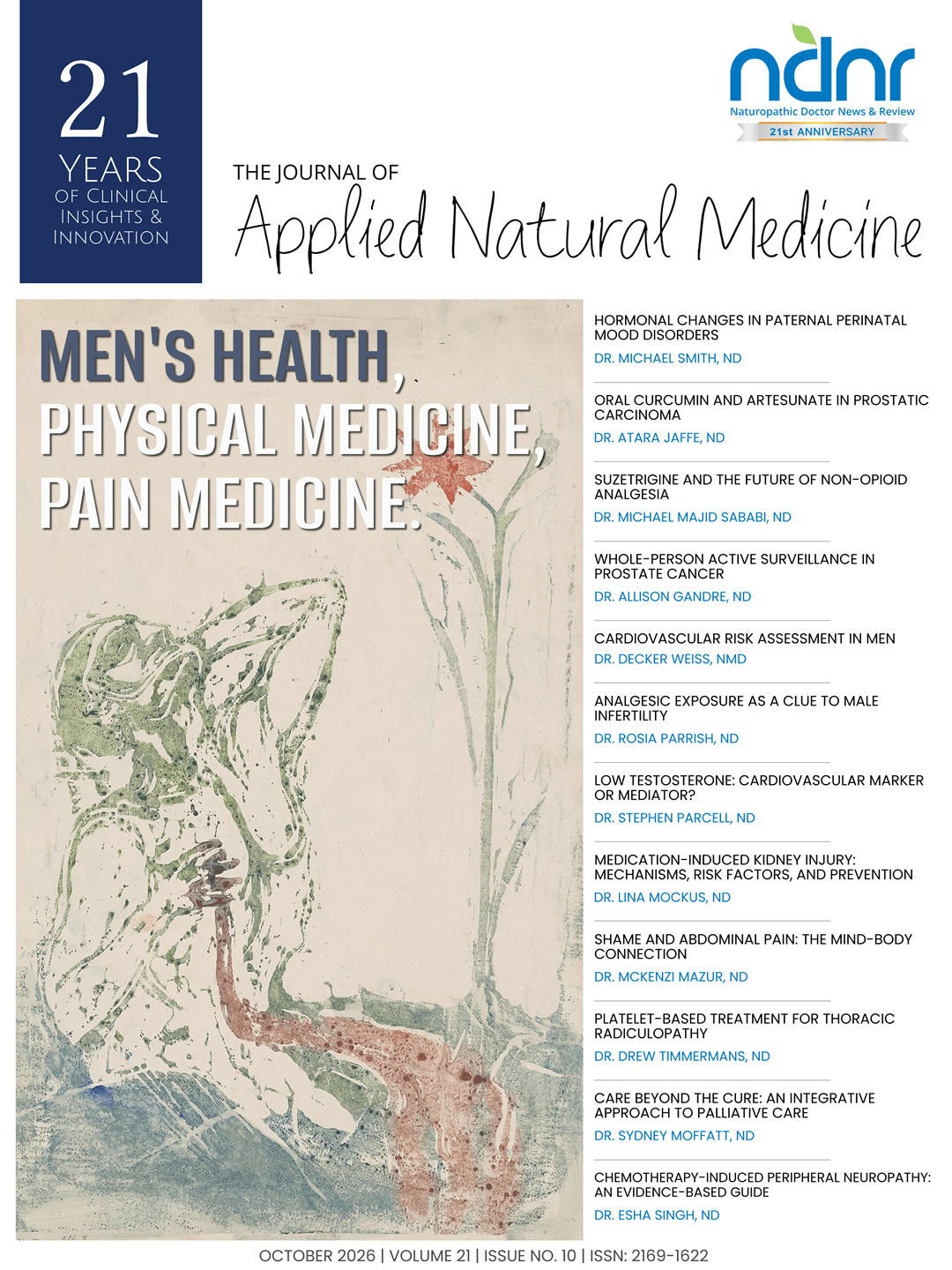
Chemotherapy-Induced Peripheral Neuropathy: An Evidence-Based Guide for Naturopathic Physicians
read more

Razi Berry
Handling objections to paying cash for doctor’s visits can be a delicate task. It requires empathy, clear communication, and an understanding of the patient’s concerns. Here are some effective scripts that your staff can use to address common objections and help patients see the value in paying cash for their medical care.
Objection 1: “I can’t afford to pay cash right now.”
Script: “Hi [Patient’s Name], I understand that paying upfront can be challenging. One of the benefits of our cash payment option is that it often ends up being more affordable than going through insurance due to lower administrative costs. We also offer flexible payment plans to help spread the cost over time. Additionally, if you have a Health Savings Account (HSA) or Flexible Spending Account (FSA), you can use those funds to pay for your visit. Let’s discuss a plan that fits your budget.”
Objection 2: “Why should I pay cash when I have insurance?”
Script: “Hi [Patient’s Name], that’s a great question. Paying cash allows us to keep our services more affordable because we avoid the administrative fees and delays associated with insurance billing. Additionally, many of our patients find that our cash rates are competitive with, or even lower than, their insurance copays and deductibles. Plus, the doctor can focus on you as a whole person instead of what insurance companies dictate. If you have an HSA or FSA, you can use those funds for your visit, which might help you save on out-of-pocket costs.”
Objection 3: “I’m worried about the quality of care if I pay cash.”
Script: “Hi [Patient’s Name], I understand your concern. Paying cash does not compromise the quality of care you receive. In fact, it can enhance it. Our doctors can spend more time focusing on your needs rather than navigating insurance paperwork and quotas. This means more personalized care without the constraints of an insurance-based practice. Additionally, using your HSA or FSA can provide a tax-advantaged way to cover your healthcare costs.”
Objection 4: “It seems like a lot to pay all at once.”
Script: “Hi [Patient’s Name], I understand that a lump sum payment can be daunting. To make it easier, we offer several flexible payment options. We can break the total cost into smaller, more manageable payments that fit your financial situation. Our goal is to ensure you get the care you need without financial strain. If you have an HSA or FSA, you can use those funds to help cover the costs, potentially reducing the financial burden.”
Objection 5: “I prefer the security of insurance.”
Script: “Hi [Patient’s Name], it’s completely understandable to value the security that insurance seems to offer. However, many of our patients find that the transparency and simplicity of paying cash actually provide a different kind of security. You won’t face unexpected charges or delays in care. Additionally, our doctors can spend much more time with you than within the constraints of an insurance-based practice where they have quotas. And don’t forget, you can use your HSA or FSA to pay for your visit, adding an extra layer of financial security.”
Objection 6: “I’m not used to paying cash for medical services.”
Script: “Hi [Patient’s Name], it’s a different approach, but many of our patients find it refreshing once they experience it. Paying cash means fewer bureaucratic hurdles and more direct interaction with your healthcare provider. This can lead to better, more personalized care. If you have any concerns or questions about the process, I’m here to help. Additionally, using your HSA or FSA can provide a convenient way to pay for your visit.”
Objection 7: “What if something goes wrong? Can I still get a refund or compensation?”
Script: “Hi [Patient’s Name], I understand your concern. While we don’t offer refunds, we are committed to providing the highest quality care and ensuring our patients are satisfied. If there are any issues, we have a clear policy in place to address them and ensure you receive the best possible outcome. Your satisfaction and well-being are our top priorities.”
Objection 8: “How do I know I’m not being overcharged?”
Script: “Hi [Patient’s Name], that’s a valid concern. Our pricing is transparent and upfront, so you know exactly what you are paying for. We can provide a detailed breakdown of the costs before your visit, ensuring there are no surprises. Additionally, using your HSA or FSA can help manage and track your healthcare expenses more efficiently.”
Objection 9: “What if I need follow-up care or tests? Will I have to pay cash for everything?”
Script: “Hi [Patient’s Name], follow-up care and tests are often included in our initial consultation package, but we can discuss the specifics based on your needs. Paying cash simplifies the process and often reduces overall costs because we avoid the administrative fees associated with insurance. If you have an HSA or FSA, you can use those funds for any additional services you might need.”
Objection 10: “Can I get a discount if I pay cash?”
Script: “Hi [Patient’s Name], we do offer discounts for cash payments because it saves us administrative costs and time, which we pass on to our patients. Let’s take a look at your treatment plan and see what discount might be available to you. We want to make sure you receive the best care at the best price. If you have an HSA or FSA, you can use those funds to pay for your visit, which can make it even more affordable.”
Tips for Your Staff
By using these scripts and tips, your staff can effectively address objections and help patients feel more comfortable with paying cash for their doctor’s visits. This approach not only improves patient satisfaction but also enhances the overall efficiency and quality of care provided.
Razi Ann Berry is Publisher and Co-Founder of NDNR Journal of Applied Natural Medicine, founded in 2005. Her work has been recognized by the American Association of Naturopathic Physicians with the Champion of Naturopathic Medicine Award (2017) and Corporation of the Year (2009), and by the Mindshare Collaborative with the Rising Tide Award (2019) and an award for Best Digital Media (2016). Since 2014, she has hosted the annual Physician’s Choice Awards. Her practice-building perspective is grounded in 14 years as a clinic co-owner from 2001-2015 and in leading a mastermind for naturopathic doctors.