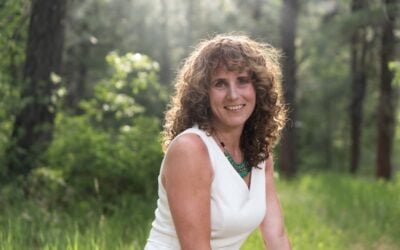
Shaida Sina, ND
One of the best properties of essential oils is that most of them are highly antimicrobial. Essential oils have been used throughout the centuries for preventing and curing infections. This article will highlight some of the best essential oils and hydrosols to have in practice when treating infection (focusing on viruses). Hydrosols are the condensate water co produced during the steam- or hydro-distillation of plant material; the distillation is usually undertaken to obtain the essential oils contained in the plant. When you choose an essential oil for your repertory, keep in mind whether it has multiple properties that are useful. For instance, essential oil of Basil is a powerful antispasmodic, decongestant (acting primarily on vessels and lungs), anti-inflammatory, antibacterial, and antiviral.
Following is a selection of antiviral essential oils to have on hand in your practice: Basil, Chamomile, Cinnamon, Clove, Cypress, Eucalyptus, Frankincense, Geranium, Hyssop, Lavender, Lemon, Myrrh, Oregano, Pine, Ravensara, Rosemary, Tea Tree, and Thyme. Many of these oils are immunostimulants and have broader antimicrobial properties.
Antiviral hydrosols to have on hand in your practice include: Red Rose, Melissa, and Frankincense. The key to picking hydrosols is in knowing properties and cost. These three plants are expensive as essential oils, but are affordable in the form of hydrosol. It’s possible for Red Rose 1 ml to retail for $100; whereas the hydrosol costs around $10 for 4 ounces.
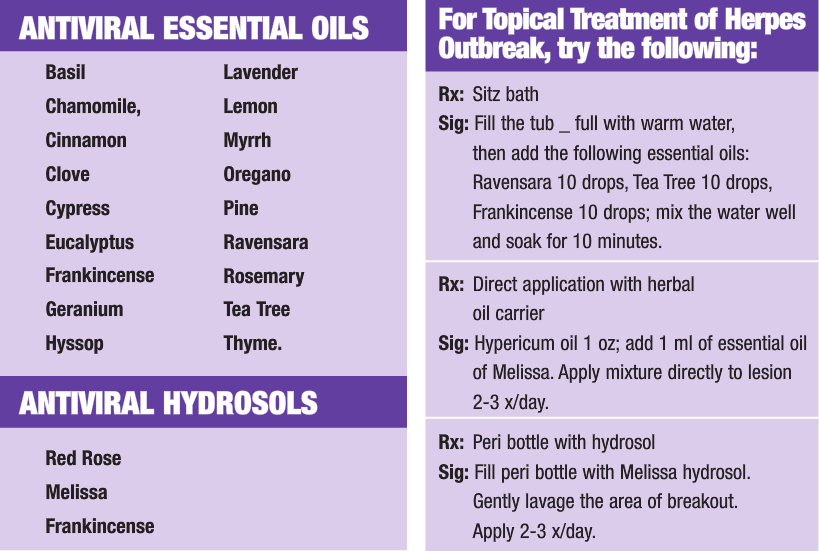
Treating Herpes Viruses
Herpes viruses are a diverse group of large DNA viruses that share common virion morphology and have the capacity to establish latency, along with recurrent infections. Viruses that belong to this family include: Herpes Simplex Viruses 1 and 2 (HSV), Varicella-zoster Virus (chicken pox / shingles), Epstein-Barr Virus (EBV), Cytomegalovirus (CMV), and Herpes 6, 7, and 8.
More often than not, patients have multiple pathogens now being referred to as increased pathogen load, so treating individual viruses is becoming an antiquated approach. There are specific essential oils that target some of these viruses, but the best approach is to increase cell-mediated immunity by using immunostimulants, thinning the blood, increasing circulation, and detoxifying the patient (physically and emotionally).
Herpes Simplex Virus 2 (HSV-2), also known as genital herpes, has become an epidemic. It is estimated according to the Center for Disease Control that 1 out of 5 Americans has HSV-2. Most people are unaware that they are carriers of the virus. This is considered a sexually transmitted virus; however, it may not be limited to painful genital sores. This virus can be cultured from many other sites: mouth, skin, blood, spinal fluid, etc. It may begin as flu like symptoms, fever, and swollen glands. Like all herpes viruses, it can lay dormant and re-express during times of physical and emotional stress. The conventional treatment includes prophylaxis suppression via antiviral drugs, most commonly valacyclovir.
Other therapies should include: L-lysine 3-6 grams orally/day, vitamin C intravenously, and botanical formulas (Melissa, Lomatium, and Hypericum). It is also best to avoid foods high in arginine. Since herpes outbreaks can be induced by stress, any stress reduction techniques can prevent outbreaks or reduce the intensity and duration of an outbreak.
 Shaida Sina, ND has been working in the field of medicine for more than 20 years. Her initial training began as a clinical scientist where she received her bachelors of science degree from University of Maryland’s School of Medicine’s Department of Medical and Research Technology. During her first 10 years in healthcare, she worked in the field of laboratory medicine where she ultimately became lead technologist of a reference infectious disease laboratory. Dr Sina began her studies in natural medicine in 1995 at Southwest College of Naturopathic Medicine, Tempe, Arizona. She has an extensive background in infectious disease and has trained at the Being Alive Center (an HIV center) located in Phoenix. Dr Sina was the first naturopathic physician to do a clinical rotation at Mayo Clinic where she trained in Reproductive Endocrinology. Dr Sina completed post-doctorate training and received certification in the field of environmental medicine with an emphasis in chemical and metal detoxification.