Stacie Deyglio, ND
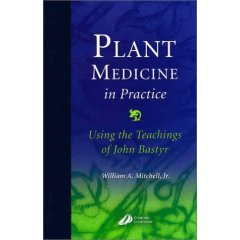 Dr. Bastyr is a founding member of the naturopathic profession. His gentle perseverance and commitment to the study of historical eclectic Euro-American traditional medicine encourages all NDs to pursue the evolving scientific perspective of botanical therapeutics in clinical practice.
Plant Medicine in Practice is the written enterprise of the well-known ND, Bill Mitchell. In this book, Mitchell compiles the plant medicines presented by Dr. Bastyr in lectures that Mitchell attended as a medical student at NCNM. The plant medicines discussed are presented by physiologic systems and were selected based on two criteria: the plant medicines that Dr. Bastyr highlighted as having personal experience with and plant medicines that Dr. Mitchell had original experience with in 26 years of clinical practice. “I remember Dr. Bastyr being asked what to use to treat a patient with a particular illness; his response was, ‘Use whatever works.’ He wasn’t being glib. He was demonstrating the eclectic mind” (p. vi).
The first 389 pages is divided into 73 chapters presented in alphabetical order. To give you an idea of the range of topics discussed, chapters cover adaptogens, anticancer agents, diaphoretics, galactagogues, hypoglycemics, nerviness, spleen remedies, uterine tonics and vulneraries, to name just a few. For example, the first chapter written on adaptogens includes thorough discussion of the specific compounds (botanical, vitamin and mineral) that create adaptogenic responses within the body: “Dr. Bastyr spoke about the category of adaptogens without ever using that specific term because the term ‘adaptogen’ was not in common use in the 1970s … Adaptogens are materials that enhance our ability to cope with the physiological stress that we encounter when dealing with toxins in the environment or with stress from life itself” (p. 1). Chapter one includes detailed instruction on such adaptogenic compounds as Eleutherococcus senticosus, ascorbic acid, panthothenic acid, Gandoderma lucidum, carotenes, Curcuma longa, placebo, procyanidolic polymers, other fruit bioflavonoid compounds and Camellia sinensis. The chapters include doses specific for adults, but Mitchell does make reference to calculating a pediatric dose of indicated medicines by following Clark’s rule.
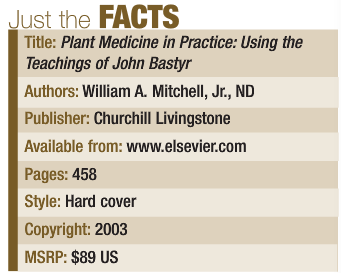 The book also contains a generously resourced reference section as well as a glossary of medicinal effects.
Mitchell was always a strong advocate of the Vis Medicatrix Naturae, and his book Plant Medicine in Practice remains faithful to his devotion to this principle of naturopathic medicine. The book recognizes the inherent, ordered and intelligent ability of the human body. Its suggestions and research assist the ND in removing obstacles to cure and facilitating the innate healing ability.
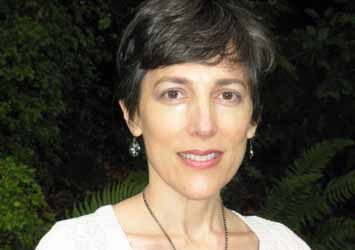
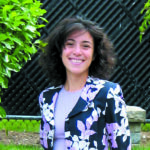 Stacie Deyglio, ND received her baccalaureate degree in biology with a minor in chemistry from the College of Mt. St. Vincent in New York. Her personal health issues paved the way to discovering naturopathic medicine in 1999. Resonating with the philosophy and principles of naturopathic medicine, Dr. Deyglio graduated from the University of Bridgeport, College of Naturopathic Medicine in 2003. As a medical student, she was involved in student government, fundraising and the generation of two successful student-run health fairs. Dr. Deyglio’s interests include relating integrative therapeutics to the health of pediatric and geriatric populations. Currently residing in Phoenix, Dr. Deyglio is an avid bookworm, and is actively creating her practice.