Jillian Finker, ND
Exploring two complex cases of recurrent C. difficile infections unresponsive to antibiotics and FMT, and how naturopathic interventions supported long-term remission and restored quality of life.
Abstract:
Clostridoides difficile infection or CDI is a growing public health challenge, with recurrence and treatment-resistant cases increasingly common in both older adults and previously low-risk populations. Antibiotics are foundational in acute CDI management, but persistent gastrointestinal symptoms and recurrent infections often follow, especially in patients with unresolved gut microbiome dysbiosis.1 Evidence suggests that natural therapies, including targeted probiotics (such as Saccharomyces boulardii) 3, prebiotics1, and gut-repairing nutrients like butyrate4, can improve outcomes in recalcitrant cases by restoring gut microbiome diversity, healing mucosal barrier function, and reducing inflammation.
The two case studies discuss the remission of recurrent CDI and restoration of gut health using naturopathic protocols. These findings reinforce emerging research advocating integrative strategies alongside or following antibiotic intervention to reduce recurrence risk and promote long-term gastrointestinal health. 1-3,7-8
Introduction:
The incidence of Clostridioides difficile infections or CDI’s has increased significantly in recent years. CDI is a serious bacterial infection that causes inflammation of the colon, often resulting in diarrhea and, in more severe cases, life-threatening complications.
Over twenty years ago, CDI was primarily associated with hospitalized seniors or those with antibiotic overuse. Today, the infection can arise suddenly, even without antibiotic exposure, and at any age, though it remains most common in older adults.
Clinicians often prescribe the inexpensive generic form of Flagyl (though it is less tolerated than the brand-name version) or Vancomycin as first-line therapy, both of which can be effective in eradicating the bacteria. While these treatments can be effective, some patients experience persistent or recurrent infections despite multiple antibiotic courses or even fecal microbiota transplants (FMTs). It’s essential to modulate the immune system, balance the gut microbiome, and address underlying inflammation whenever a chronic infection is present–particularly one of such severity.
The following two case studies illustrate naturopathic interventions in complex C. diff. cases that are not resolved with conventional treatment alone. One involved a long-term patient whose CDI began after antibiotic use and persisted until we addressed underlying gut issues, while the other was a new patient with years of recurrent infections unresponsive to antibiotics or FMTs. These cases highlight how powerful naturopathic medicine can be when conventional therapies fall short. 1-2
Case Studies: Real-Life Success Stories
Case One: Marnie’s Battle With CDI
Initial Presentation:
“Marnie”, a 62-year-old female, was a long-term patient. She maintained a Paleo-Mediterranean diet, was active, had an ideal BMI, and her laboratory values (blood sugar, lipid panel) were consistently excellent. She originally sought care for hormone balancing, optimal health, longevity, and stress reduction. Her dedication to natural health was evident physiologically; she looked significantly younger than her age and, even now at 70, appears to be in her 50s. At age 62, Marnie developed pneumonia and was prescribed a Z-pack (azithromycin) and a Medrol Dosepak (methylprednisolone). One week after she had finished both medications, she felt well and was going to restart her supplements (which her PCP had asked her to pause during treatment). Before adding back her supplements, she developed sudden, severe abdominal cramping and watery diarrhea with a distinct, foul odor she described as unlike anything she had ever smelled before, and she was a wildlife rehabilitator.
Her PCP confirmed C. difficile via stool testing and prescribed vancomycin 125mg QID for 10 days. Three weeks after completing the course, her stool was negative, but she continued to experience persistent mild abdominal pain, cramping, and loose stools. Symptoms worsened with meals, leading to weight and muscle loss. 2
Treatment Plan:
Probiotic therapy to balance the gut microbiome and the Saccharomyces boulardii to prevent reinfection:
- Lactobacillus/Bifidobacterium (HNO19 Strain, 30 billion CFU daily, titrated to TID) 1,7
- Lactobacillus/Bifidobacterium (20 billion CFU) + Saccharomyces boulardii 3 billion CFU TID before meals1, 3,7-8
Additional recommendations for gut repair and immune support included:
- Time-released sodium butyrate 300 mg TID with meals4
- L-glutamine 3 g daily16
- Arabinogalactan 2 g daily17
- Deglycyrrhizinated licorice (DGL) 500 mg before dinner15
- Vitamin A 12,000 IU BID9.10
- Vitamin D3 5000 IU BID9,10
- Zinc 20 mg BID with food9,10
- Vitamin C 1000 mg with each meal 9,10
She was advised to continue a Paleo-Mediterranean diet while avoiding alcohol and refined sugar.
One Month Follow-Up:
Marnie reported complete resolution of her major gastrointestinal complaints. She was passing normal, well-formed stools daily, her energy had returned, and she could exercise and resume wildlife rehabilitation work. The only residual concerns were early satiety with small meals and difficulty digesting steak.
Treatment Plan Adjustments Included:
- Probiotics reduced to one daily HNO19 capsule before breakfast and one lacto/bifido + S. boulardii before dinner1, 3,7-8
- Continued zinc (20 mg daily) due to persistently low serum levels9,10
- Continued vitamin D3 5000 IU daily and vitamin C 500 mg with dinner9,10
- Initiation of betaine HCl 300 mg, 1–2 capsules with protein-rich meals, for suspected hypochlorhydria (to be discontinued if a burning or warming sensation occurs) 9
Two-Year follow-up:
Marnie remained asymptomatic for two years. After discontinuing the betaine, Marnie followed a basic supportive protocol for anti-aging and optimal hormone balancing, and she took one probiotic daily, changing it every few months. The patient was advised to take probiotics carefully as a lifelong treatment to prevent a recurrence of C. diff.; however, for six months, the patient discontinued supplements and ate a SAD diet due to severe stress.
She experienced a sudden recurrence of severe abdominal cramping, watery diarrhea, and the characteristic odor of C. difficile, despite no recent antibiotic exposure. 1
Marnie was advised to follow up immediately with her PCP or GI doctor for confirmation and treatment, while simultaneously restarting her comprehensive gut protocol:
- Sodium butyrate 300 mg TID with meals4
- L-glutamine 3 g daily16
- Arabinogalactan 2 g daily17
- DGL 500 mg before dinner15
- Vitamin A 12,000 IU BID9,10
- Vitamin D3 5000 IU BID9,10
- Zinc 20 mg BID with food9,10
- Vitamin C 1000 mg with meals9,10
Additional antimicrobial support was initiated until she could access conventional treatment:
- Nano Silver, 1 tbsp held under tongue for 30 seconds TID before meals18
- Botanical antimicrobial blend, 5 drops TID before meals 13
- Homeopathic antimicrobial tablets, 1 tablet dissolved TID before meals
- Immune-supportive Mult nutrient, 1 capsule TID with meals9,10
A comprehensive stool analysis was ordered for immediate completion.
Six-Week Follow-up:
The patient admitted she had not followed up with her PCP. However, after two days of taking the naturopathic protocol, her stool odor resolved, and within one week, her cramping and diarrhea significantly improved. She had completed the stool analysis before taking any supplements.
Findings included:
- Marked intestinal inflammation (elevated secretory IgA, calprotectin, eosinophils)
- Low pancreatic enzyme activity
- Adequate beneficial flora
- Dysbiosis with overgrowth of potentially pathogenic bacteria
She was advised to continue the comprehensive gut protocol for one month. Gentle chewable digestive enzymes (1–2 with meals) were added, and she performed an elimination diet, which revealed a dairy sensitivity, prompting full avoidance.
The patient was reminded that with a diagnosis of C. Diff., there was an increased chance of future incidence. Probiotics, GI supplements, and a healthy lifestyle were imperative to modulate her immune system, normalize the gut microbiome, and keep inflammation down to prevent recurrence. 1,2,4
Two-Month Follow-up:
The patient reported feeling great with no gastrointestinal complaints. She continued the gut protocol, along with the digestive enzymes, but discontinued the additional antimicrobial protocol.
Final Follow-up
Repeat stool testing showed normalization of inflammatory markers, absence of allergic reactivity, and decreased bacterial overgrowth. Pancreatic enzymes remained borderline low. Clinically, she was symptom-free.
Over the next eight years, Marnie has remained healthy and thriving, with no recurrence of C. difficile. She no longer requires digestive enzymes and maintains an excellent quality of life on a simplified maintenance protocol.
Discussion:
This case demonstrates the challenges and the opportunities of managing CDI through an integrative medical approach. Despite Marnie having an initial clinical cure with vancomycin, she then continued to experience gastrointestinal distress consistent with dysbiosis, probably related to the CDI. 1 The patient’s use of targeted probiotic therapy, along with prebiotics, nutrients, and gut-repairing supplements, all appears to have played a pivotal role in restoring microbial balance, normalizing inflammation, and healing the gut mucosal lining. 1,9,10 The betaine HCL helped with protein digestion and increased protection against pathogens. Removal of dietary triggers reduced immune activation. 9 Saccharomyces boulardii was likely a key factor in long-term remission, especially with continued use.8
Marnie’s relapse was likely a result of discontinuing probiotics and other supplements, along with stress and a departure from the nutrient-rich Paleo-Mediterranean diet. 1-5 Even without utilizing conventional therapy, her comprehensive naturopathic protocol successfully removed symptoms, stabilized her gut microbiome, and normalized highly elevated inflammatory markers. 1-5 This reinforces emerging evidence that integrative interventions, particularly when personalized, may provide benefit in recurrent or refractory CDI.
Conclusion:
Marnie’s case illustrates the value of an integrative, microbiome-focused approach in the management of a possible recurrent CDI. Probiotic therapy, gut mucosal healing nutrients, immune-modulating vitamins, digestive support, and dietary interventions played a central role in restoring long-term gastrointestinal health. The sustained remission over eight years shows the importance of adhering to basic naturopathic principles to stay well.
This case supports growing research that recurrent CDI is both an infectious and ecological disorder of the gut. It is important that future research should further evaluate naturopathic strategies that treat CDIs and also restore the gut microbiome, reducing recurrence risk and improving patient quality of life. 1-5,9-10
Case Two: Daria’s Long-term C. diff. Battle
Initial Presentation
“Daria,” a 63-year-old female with a two-year history of C diff. diagnosed every few months. The diagnosis of C. diff. began after an emergency appendectomy at 61 years old. The patient would recognize it was C diff. due to the severity of the cramping, diarrhea, and weakness, which was worse than any previous gastrointestinal illness. The patient didn’t report a foul odor but had reduced olfactory sensitivity since a COVID infection at 62 years old.
The patient expressed considerable anxiety regarding contagion risk to her elderly parents and math students, leading to compulsive cleaning behaviors. The initial CDI resolved with the generic of Flagyl, but the patient had severe side effects, which are typical of the generic (mood swings, nausea, etc.). One month later, the infection recurred, and her GI doctor prescribed vancomycin, 125mg QID for ten days.1
For about a year, the patient would oscillate from being asymptomatic for a few months and then experience symptoms concurrent with a diagnosis of C. diff. Eventually, the GI doctor prescribed fidaxomicin with similar results; the infection cleared with a recurrence in a few months. After over a year, a gastroenterologist prescribed a fecal microbiota transplant (FMT). FMTs, according to studies and clinical observations, usually completely clear C diff. long term. The patient was better for six months but then experienced a recurrence.1, 2
Daria was anxious and wouldn’t change any supplements. With no CDI diagnosis for four months after her last FMT, she worried a change would cause an infection.
Treatment Plan:
- Garum Armoricum 3 before breakfast (helpful for GI issues, OCD, health anxiety, easy to take tiny pill, and it’s very balancing, no need for testing first)
- L-Theanine19, inositol20, glycine21, sunflower lecithin22, low dose of magnesium L-threonate (proprietary blend to help with GI issues, OCD, healthy anxiety, gentle on the GI tract and balancing, no need for testing first) 1 scoop before breakfast and 1 scoop before dinner
- Spore Probiotic (patient agreed to take, refused other probiotics) 1,5,7
Patient advised to follow up in 1 month with the results of her comprehensive stool analysis.
3 Week Follow-Up:
Daria’s doctors diagnosed her with a C diff. infection following her initial appointment. After taking fidaxomicin, the patient underwent a fecal microbiota transplant. The patient was distraught that the C diff. was more frequent even after FMTs. The patient disclosed that the supplements helped her health anxiety and obsessive symptoms despite her current distress. The patient agreed to make any necessary changes.
Finding for comprehensive stool analysis included:
- Mild Fat Maldigestion
- Borderline elevated secretory IgA, suggestive of low-grade intestinal inflammation
- Severely reduced short-chain fatty acids
- Extremely low levels of commensal probiotics
- Dysbiosis with potentially pathogenic bacteria and yeast overgrowth
In addition to dietary modification (paleo diet emphasizing vegetables and clean fish), targeted supplementation was initiated:
Additional Anti-Inflammatory and Immune System Support:
- Aloe distilled, 1/8 cup TID before meals (bring down inflammation and soothe the GI tract) 14
- DGL chewable 500mg DGL, Calcium 100mg, Glycine 200mg 2 TID before meals (bring down inflammation and soothe the GI tract) 15
- IgY Max Immunized egg powder 1 scoop in water before breakfast (to help with inflammation and boost the immune system)11
- CoQ10 100mg TID with meals (patient was on a statin)
- Sodium butyrate 300 mg TID with meals (to bring up her SCFAs)4
- Vitamin D 5,000iu w/ breakfast (immune system support to help prevent reinfection) 9,10
- Botanical antimicrobial blend, 5 drops TID before meals (to kill the yeast, dysbiotic bacteria, and help prevent reinfection) 13
- Time Released melatonin, 1 to 5mg before bed (to help prevent reinfection and boost immunity with quality sleep) 12
- GI binder with zeolite 1 to 2 before bed (to prevent reabsorption of toxins)
- Lactobacillus/Bifidobacterium (HNO19 Strain, 30 billion CFU daily, titrated to TID) (balances the gut microbiome) 1,7
- Lactobacillus/Bifidobacterium (20 billion CFU) + Saccharomyces boulardii 3 billion CFU TID before meals (help prevent recurrence of infection)1, 3,7-8
The patient was advised to follow up in 1 month
3 Week Follow-Up:
The patient was experiencing diarrhea and cramping. She was advised to immediately follow up with her PCP for testing. She was negative for C diff. and was recommended to follow up with a CBT therapist due to anxiety when her stomach, with poor nutrition and stress, would get irritated.
Following 6 Months:
Over the following six months, she reported occasional gastrointestinal upset after excess sugar consumption, but these self-limited episodes improved with increased anti-inflammatory support and follow-up with her CBT therapist.
Two-Year Follow-Up:
By the age of 70, the patient demonstrated two consecutive years without a recurrence of C. diff. and no chronic gastrointestinal complaints.
Maintenance therapy included:
- Garum Armoricum 3 before breakfast (helpful for GI issues, OCD, health anxiety, easy to take tiny pill, and it’s very balancing, no need for testing first)
- L-Theanine19, inositol20, glycine21, sunflower lecithin22, low dose of magnesium L-threonate (proprietary blend to help with GI issues, OCD, healthy anxiety, gentle on the GI tract and balancing, no need for testing first) 1 scoop before breakfast and 1 scoop before dinner
- Spore Probiotic (to keep the gut microbiome balanced) 1,5,7
- Lactobacillus/Bifidobacterium (20 billion CFU) + Saccharomyces boulardii 3 billion CFU TID before meals (helps prevent a continual recurrence of infection) 1, 3,7-8
She reported full resolution of health-related anxiety, retirement in good health, and unrestricted dietary tolerance.
Discussion:
Recurring C. diff., is a serious clinical challenge, even in patients undergoing advanced alternative therapies such as FMT. The gut microbiome may still need to be restored after such therapies through probiotics1, 3,7-8, butyrate4, natural anti-inflammatories, and dietary adjustments to improve resistance against relapse.
Psychological issues often play an underappreciated role in perpetuating gastrointestinal illnesses and symptom exacerbation. In this case, ameliorating anxiety with supplementation and CBT was crucial for long-term healing. Individualized natural interventions can complement or even replace conventional measures, allowing remission when standard approaches fail. Saccharomyces boulardii8 was likely a key factor in long-term remission for both this case and Marnie’s case. Researchers should further study this and potentially always advise it in CDIs.
Conclusion:
Daria’s case illustrates the complex, relapsing nature of recurrent CDIs along with the profound psychological burden they often impose. Despite initial failures with standard antibiotic therapy and even FMTs, a comprehensive care plan addressing gut ecology, immune balance, diet, and mental health allowed sustained remission.
Long-term success did not result from a single intervention but from gradually rebuilding gut resilience, maintaining microbiome support, applying anti-inflammatory measures, and treating anxiety. Her story highlights the role of individualized integrative care in restoring both gastrointestinal and psychological health in patients with chronic C. diff. Such cases highlight the need for ongoing research into complementary therapies and individualized treatment paradigms for chronic relapsing infections.
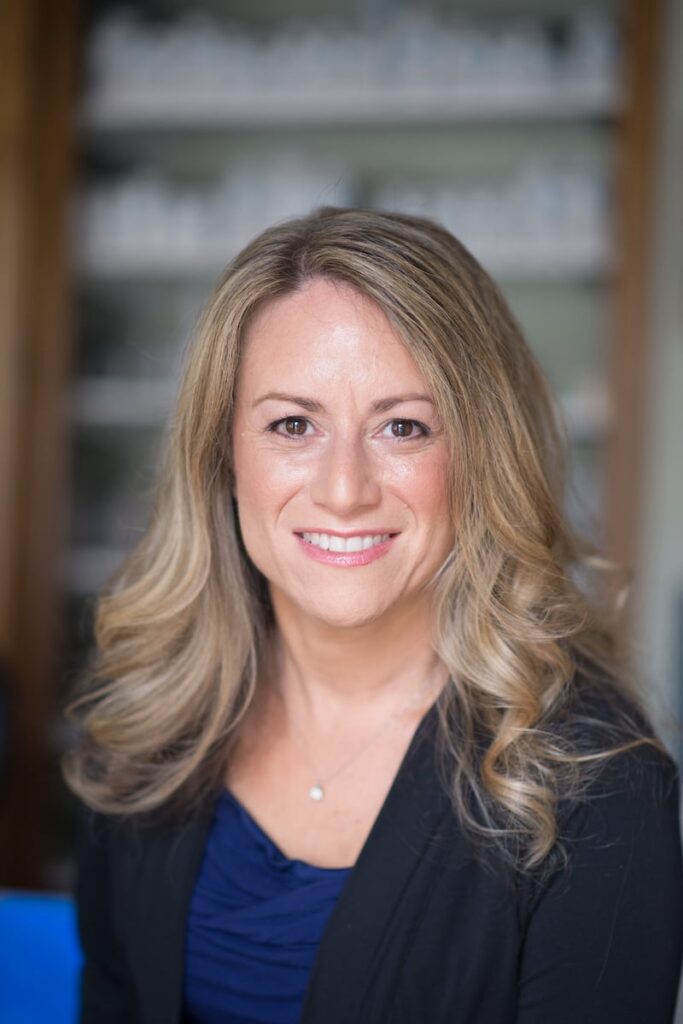
Dr. Jilian Finker, Naturopathic Doctor, has a private practice in Bellmore, New York. She specializes in women’s health and is an expert in natural medicine. Dr. Finker has been selected as the best Alternative Doctor on Long Island for 2011, 2012, 2013, 2022, and 2024. She has been on various television programs and radio shows, and she is a frequent lecturer nationwide. She was the technical editor for Boosting Your Immunity for Dummies, Adrenal Fatigue for Dummies, and is in the process of editing other health books. Her work has been highlighted in First for Women’s magazine several times, along with other major journals and publications. It’s about Wellness, Naturally, her latest publication is available on Amazon.
References
- Gurung, B., Courreges, M. C., Pollak, J., Malgor, R., Jiang, L., Wang, B., & Wang, S. (2025). Non-invasive treatment of Clostridioides difficile infection with a human-origin probiotic cocktail through gut microbiome-gut metabolome modulations. Frontiers in Microbiology, 16, 1555220. https://doi.org/10.3389/fmicb.2025.1555220
- Normington, C., Chilton, C. H., & Buckley, A. M. (2024). Clostridioides difficile infections: New treatments and future perspectives. Current Opinion in Gastroenterology, 40(1), 7–13. https://doi.org/10.1097/MOG.0000000000000989
- Chitapanarux, T., Wiracha, U., & Winichakoon, P. (2025). Efficacy and safety of Saccharomyces boulardii as adjunct therapy with vancomycin in treating Clostridioides difficile infection: A randomized controlled trial. Scientific Reports, 15, 19326. https://doi.org/10.1038/s41598-025-04986-2
- Dobrila, H. A., & Hryckowian, A. J. (2025). The emerging view on the roles of butyrate in Clostridioides difficile pathogenesis. Infection and Immunity. Advance online publication. https://doi.org/10.1128/iai.00047-25
- Singh, C., Singh, A., Singh, D., & Upadhyay, R. (2025). Potential therapeutic solution for Clostridioides difficile infection: Current scenario and future prospects. Medicine in Microecology, 24, 100121. https://doi.org/10.1016/j.medmic.2025.100121
- Quan, M., Zhang, X., Fang, Q., Lv, X., Wang, X., & Zong, Z. (2024). Fighting against Clostridioides difficile infection: Current medications. International Journal of Antimicrobial Agents, 64(1). https://doi.org/10.1016/j.ijantimicag.2024.106982
- Simpson, M., & Lyon, C. (2019). PURL: Do probiotics reduce C. diff. risk in hospitalized patients? The Journal of Family Practice, 68(6), 351–354. https://doi.org/10.12788/jfp.0001
- Vermeersch, S. J., Vandenplas, Y., Tanghe, A., Elseviers, M., & Annemans, L. (2018). Economic evaluation of Saccharomyces boulardii CNCM I-745 for prevention of antibiotic-associated diarrhoea in hospitalized patients. Acta Gastro-Enterologica Belgica, 81(2), 269–276. PMID: 30024698
- Taylor, L., McCaddon, A., & Wolffenbuttel, B. H. R. (2024). Creating a framework for treating autoimmune gastritis: The case for replacing lost acid. Nutrients, 16(5), 662. https://doi.org/10.3390/nu16050662
- Zou, M., Liang, Q., Zhang, W., Liang, J., Zhu, Y., & Xu, Y. (2024). Diet-derived circulating antioxidants and risk of inflammatory bowel disease: A Mendelian randomization study and meta-analysis. Frontiers in Immunology, 15, 1334395. https://doi.org/10.3389/fimmu.2024.1334395
- Playford, R. J. (2024). Effects of chicken egg powder, bovine colostrum, and combination therapy for the treatment of gastrointestinal disorders. Nutrients, 16(21), 3684. https://doi.org/10.3390/nu16213684
- Sutton, S. S., Magagnoli, J., Cummings, T. H., & Hardin, J. W. (2022). Melatonin as an antimicrobial adjuvant and anti-inflammatory for the management of recurrent Clostridioides difficile infection. Antibiotics, 11(11), 1472. https://doi.org/10.3390/antibiotics11111472
- Aleksić, A., Stojanović-Radić, Z., Harmanus, C., Kuijper, E. J., & Stojanović, P. (2022). In vitro anti-clostridial action and potential of the spice herbs essential oils to prevent biofilm formation of hypervirulent Clostridioides difficile strains isolated from hospitalized patients with CDI. Anaerobe, 76, 102604. https://doi.org/10.1016/j.anaerobe.2022.102604
- Le Phan, T. H., Park, S. Y., Jung, H. J., Kim, M. W., Cho, E., Shim, K. S., Shin, E., Yoon, J. H., Maeng, H. J., Kang, J. H., & Oh, S. H. (2021). The role of processed Aloe vera gel in intestinal tight junction: An in vivo and in vitro study. International Journal of Molecular Sciences, 22(12), 6515. https://doi.org/10.3390/ijms22126515
- Leite, C. D. S., Bonafé, G. A., Carvalho Santos, J., Martinez, C. A. R., Ortega, M. M., & Ribeiro, M. L. (2022). The anti-inflammatory properties of licorice (Glycyrrhiza glabra)-derived compounds in intestinal disorders. International Journal of Molecular Sciences, 23(8), 4121. https://doi.org/10.3390/ijms23084121
- Santos, A. A., Braga-Neto, M. B., Oliveira, M. R., Freire, R. S., Barros, E. B., Santiago, T. M., Rebelo, L. M., Mermelstein, C., Warren, C. A., Guerrant, R. L., & Brito, G. A. (2013). Glutamine and alanyl-glutamine increase RhoA expression and reduce Clostridium difficile toxin-A-induced intestinal epithelial cell damage. BioMed Research International, 2013, 152052. https://doi.org/10.1155/2013/152052
- Chen, O., Sudakaran, S., Blonquist, T., Mah, E., Durkee, S., & Bellamine, A. (2021). Effect of arabinogalactan on the gut microbiome: A randomized, double-blind, placebo-controlled, crossover trial in healthy adults. Nutrition, 90, 111273. https://doi.org/10.1016/j.nut.2021.111273
- Barras, F., Aussel, L., & Ezraty, B. (2018). Silver and antibiotic: New facts to an old story. Antibiotics, 7(3), 79. https://doi.org/10.3390/antibiotics7030079
- Hidese, S., Ogawa, S., Ota, M., Ishida, I., Yasukawa, Z., Ozeki, M., & Kunugi, H. (2019). Effects of L-theanine administration on stress-related symptoms and cognitive functions in healthy adults: A randomized controlled trial. Nutrients, 11(10), 2362. https://doi.org/10.3390/nu11102362
- Concerto, C., Chiarenza, C., Di Francesco, A., Natale, A., Privitera, I., Rodolico, A., Trovato, A., Aguglia, A., Fisicaro, F., Pennisi, M., Bella, R., Petralia, A., Signorelli, M. S., Lanza, G. (2023). Neurobiology and applications of inositol in psychiatry: A narrative review. Current Issues in Molecular Biology, 45(2), 1762–1778. https://doi.org/10.3390/cimb45020113
- Schmidt, R. W., & Thompson, M. L. (2016). Glycinergic signaling in the human nervous system: An overview of therapeutic drug targets and clinical effects. Mental Health Clinician, 6(6), 266–276. https://doi.org/10.9740/mhc.2016.11.266
- Hellhammer, J., Fries, E., Buss, C., Engert, V., Tuch, A., Rutenberg, D., & Hellhammer, D. (2004). Effects of soy lecithin phosphatidic acid and phosphatidylserine complex (PAS) on the endocrine and psychological responses to mental stress. Stress, 7(2), 119–126. https://doi.org/10.1080/10253890410001728379