Donese Worden, NMD
A compelling case of recurring rib fractures in a teen reveals how clinical intuition, persistence, and integrative diagnostics can uncover life-changing diagnoses overlooked by standard imaging.
Abstract
When a healthy teenage girl began experiencing spontaneous rib fractures, standard labs and imaging found nothing unusual—yet something didn’t add up. In this powerful case study, Dr. Donese Worden illustrates how clinical intuition, persistence, and diagnostic collaboration uncovered a hidden pituitary tumor that had been missed by conventional evaluation.
This article is a compelling reminder that even in integrative practice, symptom relief is not enough—we must continue asking why. Through the lens of this complex adolescent case, Dr. Worden challenges naturopathic doctors to think critically, question normal test results, and embrace their role as expert diagnosticians, not just skilled therapeuticians.
The Diagnostic Imperative: Why “Why” Matters More Than “What”
As naturopathic physicians, we pride ourselves on treating the whole person and addressing root causes rather than merely suppressing symptoms. Yet in our eagerness to provide natural alternatives to conventional treatments, we sometimes fall into the same trap that ensnares our allopathic colleagues: treating symptoms without fully understanding their underlying etiology. While our botanicals and nutraceuticals may have fewer side effects than pharmaceuticals, we are still essentially “cutting the alarm wire while leaving the fire burning” if we fail to investigate the fundamental cause of our patients’ presentations.
When I was initially asked to contribute to this pediatric and adolescent issue, I hesitated. My current practice focuses primarily on metabolic cancer therapies, and I rarely see pediatric patients except for those with complex, undiagnosed medical conditions. However, reflecting on a particularly instructive case from my earlier practice reminded me why the principle of persistent inquiry—of never being satisfied until we understand the “why” behind our patients’ symptoms—remains paramount regardless of our specialty or patient population.
Case Presentation: The Mystery of Recurring Rib Fractures
In 2004, while working at an integrative pain clinic, I encountered a case that would profoundly influence my approach to clinical practice. A 15-year-old female presented with a pattern of continuous, non-traumatic rib fractures that had been occurring weekly for several months. The conventional medical approach had been straightforward: manage the pain and allow the fractures to heal. I supplemented this care with low-level laser therapy to promote bone healing—a reasonable naturopathic intervention that addressed the pain and inflammation.
However, something about this case troubled me deeply. While the patient and her family appreciated the pain relief and the enhanced healing from our treatments, I couldn’t shake the fundamental question: What was causing a healthy teenager to spontaneously fracture ribs every week?
The Power of Persistent Inquiry
When I raised this concern with the family, they assured me that their daughter had already been thoroughly evaluated. She had seen numerous specialists, including endocrinologists, and no underlying pathology had been identified. The working assumption was that this was simply an unusual case of adolescent bone development issues that would eventually resolve.
But clinical intuition—that subtle combination of experience, pattern recognition, and systematic thinking that develops through years of practice—suggested otherwise. The constellation of symptoms didn’t fit the profile of typical adolescent growing pains or even more serious but common conditions like stress fractures from overuse.
Acting on this intuition, I ordered a prolactin level. The result was elevated, immediately raising the possibility of a pituitary adenoma. I requested brain imaging to investigate this hypothesis.
When Imaging Isn’t Definitive: The Role of Clinical Judgment
The initial imaging report came back as unremarkable—no apparent abnormalities noted. For many practitioners, this might have been the end of the investigation. After all, if advanced imaging shows no pathology, and multiple specialists have already evaluated the patient, what more could be done?
However, my clinical suspicion remained strong. The patient’s symptom pattern, combined with the elevated prolactin, continued to point toward a pituitary lesion despite the negative imaging report. Rather than accepting the radiological interpretation at face value, I took an approach that I now recommend to all colleagues: I called the radiologist directly.
During our conversation, I explained my clinical reasoning and asked explicitly about the visualization of the pituitary gland. The radiologist acknowledged that there was indeed one area that couldn’t be adequately visualized with the current imaging protocol. Trusting my clinical intuition, he recommended a different scanning sequence that would provide better visualization of the pituitary region.
The Importance of Collaborative Interpretation
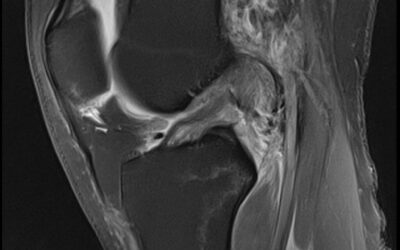
When the enhanced imaging was completed, I found myself in the radiology reading room with three different radiologists examining the same images. Their interpretations varied dramatically: one identified a tumor, another dismissed it as a shadow artifact, and the third called it indeterminate.
This scenario illustrates a crucial point that is often overlooked in our evidence-based medical culture: imaging studies, like all diagnostic tools, require interpretation. They are not infallible pronouncements but rather data points that must be integrated with clinical findings and reasoning.
As the treating clinician who had been following this patient’s clinical course, I had additional context that the radiologists lacked. I trusted the assessment that identified the tumor, despite the disagreement among the imaging specialists.
Resolution and Lessons Learned
I referred the patient back to the Barrow Neurological Institute with the imaging report documenting a possible pituitary tumor. Subsequent neurosurgical evaluation confirmed the presence of a benign pituitary adenoma. The patient underwent successful surgical resection, and remarkably, her recurring rib fractures ceased completely.
Throughout the surgical process and recovery period, we provided comprehensive naturopathic support, including nutritional optimization, botanical medicines to support healing, and stress management techniques. This integrated approach—combining accurate diagnosis with naturopathic supportive care—exemplified the best of both worlds.
Clinical Principles for Modern Practice
This case reinforced several critical principles that guide my practice to this day:
1. Never Be Satisfied with Symptomatic Improvement Alone: While our natural therapies were effectively managing the patient’s pain and promoting bone healing, they were not addressing the underlying pathophysiology. An expert diagnostician should never be satisfied with a patient feeling better without understanding why they were ill in the first place.
2. Trust Clinical Intuition While Demanding Evidence: The combination of clinical experience and systematic thinking that we call “intuition” is not mystical—it’s the synthesis of pattern recognition, physiological understanding, and careful observation. However, intuition must be paired with objective investigation and evidence-gathering.
3. Question Everything, Including “Normal” Reports: Laboratory values and imaging studies are tools, not final answers. When clinical suspicion remains high despite “normal” results, consider ordering different tests, using various protocols, or seeking second opinions. I now routinely request re-reads from different radiologists when imaging results don’t align with my clinical assessment.
4. Collaborate with Specialists: Naturopathic physicians are part of a larger healthcare ecosystem. Building relationships with specialists, radiologists, and other healthcare providers allows for more comprehensive patient care and better diagnostic accuracy.
The Broader Implications
This case serves as both a cautionary tale and an empowering reminder. It’s cautionary because it illustrates how easily we can fall into treating symptoms rather than causes, even when using natural therapies. It’s empowering because it demonstrates that persistent clinical inquiry, combined with appropriate testing and collaboration, can lead to life-changing diagnoses and treatments.
In our current healthcare environment, where time pressures and algorithm-based medicine often discourage deep investigation, naturopathic physicians have both an opportunity and an obligation to maintain the tradition of thorough clinical reasoning. Our patients seek us out precisely because they want practitioners who will take the time to understand the root causes of their health issues.
Conclusion
The goal of naturopathic medicine has always been to support the body’s inherent healing capacity while addressing the fundamental causes of disease. However, we cannot address root causes if we haven’t identified them correctly. This requires us to be expert diagnosticians first and skilled therapeuticians second.
Whether we’re treating a teenager with unexplained fractures or an adult with chronic fatigue, the principle remains the same: we must keep asking “why” until we have a satisfactory answer. Only then can we truly practice the medicine we were trained to provide—comprehensive, cause-oriented, natural healthcare that serves our patients’ deepest needs.
Our natural therapies are powerful tools, but they are most effective when applied with precision to well-understood pathophysiological processes. By combining clinical intuition with rigorous investigation, we honor both the art and science of naturopathic medicine while providing our patients with the expert care they deserve.
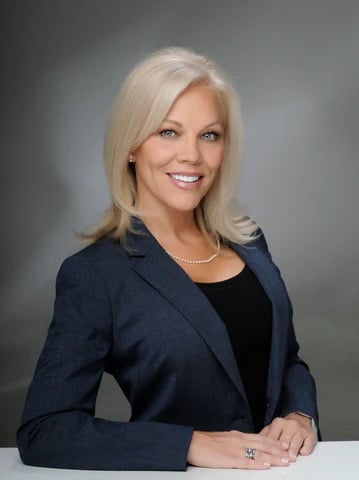
Dr. Donese Worden currently focuses on metabolic therapies for cancer while treating patients in Arizona and consulting with clients worldwide. She continues to advocate for thorough diagnostic investigation in complex medical cases and emphasizes the importance of integrating clinical intuition with evidence-based practice in all areas of naturopathic medicine.