

A...
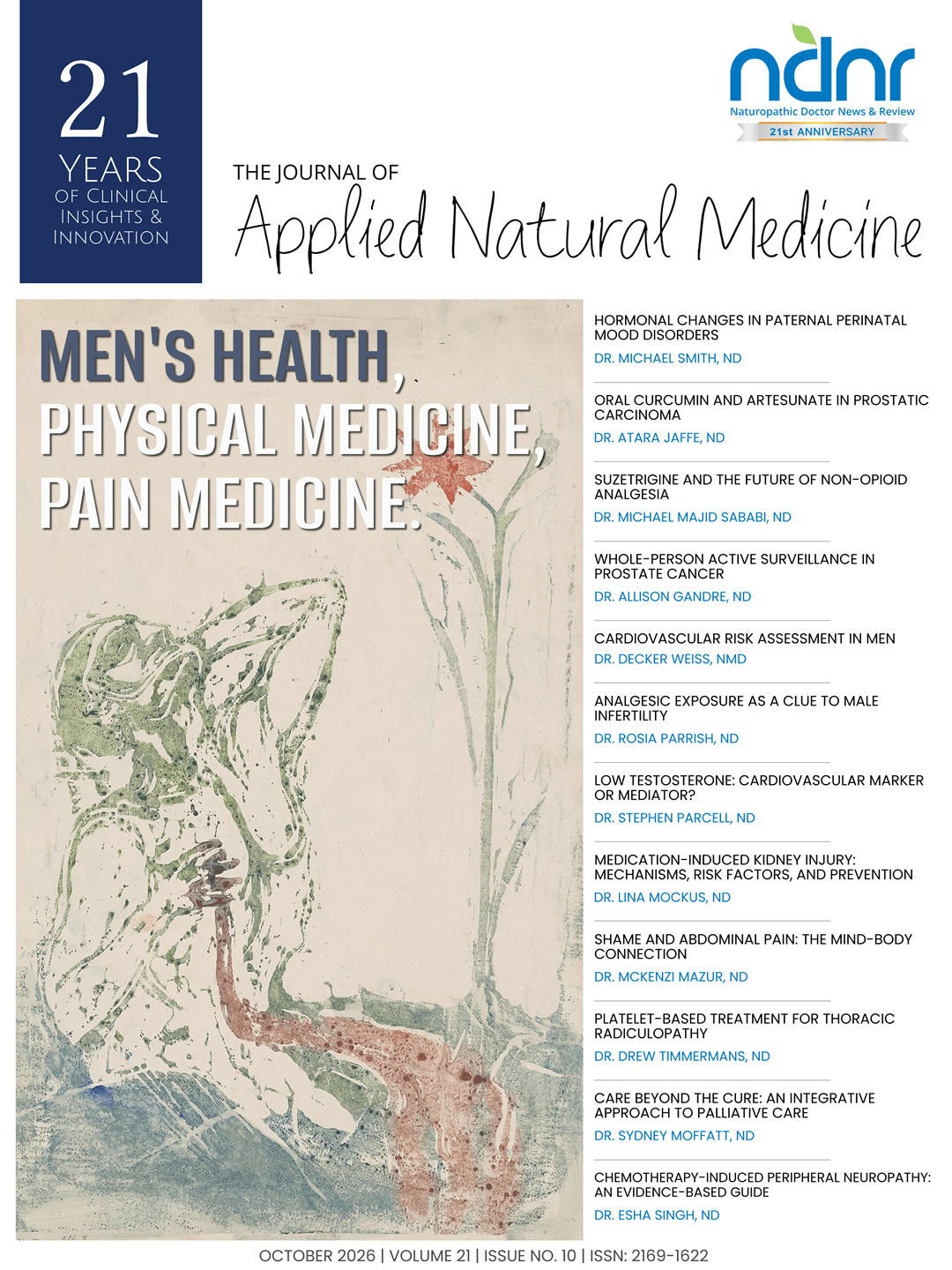
Chemotherapy-Induced Peripheral Neuropathy: An Evidence-Based Guide for Naturopathic Physicians
read more
Stanford University Medical Centers has just added a unique dance class for the management of Parkinson’s Disease to their facility. Showcased in a recent article from Stanford’s Medicine and the Muse, 1 the “Dance for Parkinson’s Disease class,” also known as Dance for PD, is a program that begun 15 years ago in New York. It is now offered all over the world. It uses elements of various styles of dancing, along with poetry, imagery, and live music to inspire movement in new and creative ways.
Using dance to improve gait and fine-motor skills is nothing new.2 Studies on dancing and other forms of intentional movement have shown an improvement in overall body control, including walking and finger tapping. The classes also uplift participants’ mood and given them a stronger sense-of-self agency from an increase in physical control.
“Dancing has all the elements Parkinson’s patients can benefit from extension and flexibility and moving with intention,” says Damara Ganley, a professional dancer and trained Dance for PD instructor. “Dancers are trained to be in their bodies in a conscious way, and Parkinson’s patients also are learning to be in their bodies in a conscious way.”1
The types of physical, social, and mental stimulation used and enhanced through dance are exactly the things which Parkinson’s patients are advocated to pursue, says Helen Bronte-Stewart, MD, a Stanford professor of neurology and neurological sciences and a former professional dancer.
“Dance for PD gives them all three. But it is much more than a possible therapy or treatment; the PD dancers have told us this type of dance restores their self-image and brings them joy,” she adds.
Improving the self-image of individuals with chronic disease is crucial to improving quality of life and increasing vitality. Incorporating social engagement with creative expression is an extremely powerful and effective method for stimulating changes in self-awareness, self-esteem, and agency.
Sources:
 Node Smith, associate editor for NDNR, is a fifth year naturopathic medical student at NUNM, where he has been instrumental in maintaining a firm connection to the philosophy and heritage of naturopathic medicine amongst the next generation of docs. He helped found the first multi-generational experiential retreat, which brings elders, alumni, and students together for a weekend campout where naturopathic medicine and medical philosophy are experienced in nature. Three years ago he helped found the non-profit, Association for Naturopathic ReVitalization (ANR), for which he serves as the board chairman. ANR has a mission to inspire health practitioners to embody the naturopathic principles through experiential education. Node also has a firm belief that the next era of naturopathic medicine will see a resurgence of in-patient facilities which use fasting, earthing, hydrotherapy and homeopathy to bring people back from chronic diseases of modern living; he is involved in numerous conversations and projects to bring about this vision.