

A...
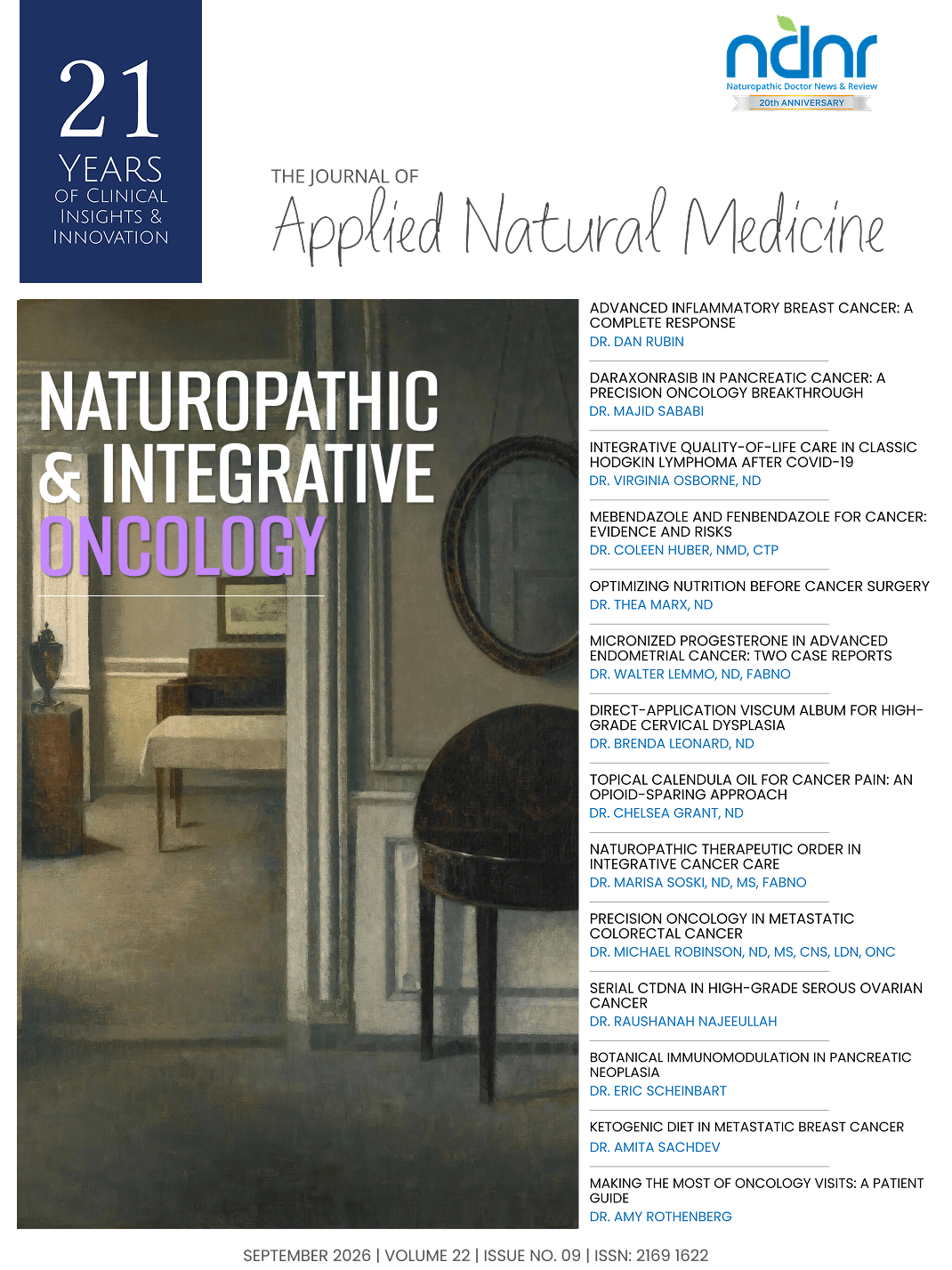
Chemotherapy-Induced Peripheral Neuropathy: An Evidence-Based Guide for Naturopathic Physicians
read more
Node Smith, ND
A recent report in the journal Human Reproduction, concludes that it may be more difficult for women who consume too much junk food to become pregnant.1 Research shows that women who don’t eat enough fruits and vegetables may have a decreased chance of conceiving over the course of a year.
It is a hard topic for many to talk about, and is often accompanied by confusion, shame or guilt. And for many, it may be as easy as cleaning up the diet.
The study asked just under 6000 women in the UK, New Zealand, Ireland and Australia about their daily dietary habits. These questions were asked by midwives during antenatal visits. All participants were women who had not given birth before.
Roughly 50 percent of the women had become pregnant within a month of trying to conceive, and the other half had been deemed infertile due to not conceiving for over a year. It was found that infertility rose from 8 percent to 16 percent in women who ate junk food four times per week or more. Neglecting fruit intake was seen to increase infertility rates from 8 to 12 percent. The lead author of the study, Professor Claire Roberts, Lloyd Cox Professorial Research Fellow, from the University’s Robinson Research Institute, said “[t]he findings show that eating a good quality diet that includes fruit and minimizing fast food consumption improves fertility and reduces the time it takes to get pregnant.”
“Junk food,” for the purposes of the study was considered “fast food,” and unhealthy food purchased from supermarkets was omitted from the study. Other factors which were accounted for were BMI, age, and smoking status. Father’s diet was not taken into account.
Source:
 Node Smith, ND, is a naturopathic physician in Portland, OR and associate editor for NDNR. He has been instrumental in maintaining a firm connection to the philosophy and heritage of naturopathic medicine among the next generation of docs. He helped found the first multi-generational experiential retreat, which brings elders, alumni, and students together for a weekend camp-out where naturopathic medicine and medical philosophy are experienced in nature. Four years ago he helped found the non-profit, Association for Naturopathic ReVitalization (ANR), for which he serves as the board chairman. ANR has a mission to inspire health practitioners to embody the naturopathic principles through experiential education. Node also has a firm belief that the next era of naturopathic medicine will see a resurgence of in-patient facilities which use fasting, earthing, hydrotherapy and homeopathy to bring people back from chronic diseases of modern living; he is involved in numerous conversations and projects to bring about this vision.