Dr. Heather Tynan, ND, DACM, Lac
Abstract
Bridging Traditional Chinese Medicine and Western physiology to support liver function, detoxification pathways, and systemic balance during the spring season.
This article explores a seasonal, integrative approach to liver detoxification by combining Traditional Chinese Medicine principles with Western biochemical understanding. It outlines dietary, botanical, lifestyle, and therapeutic strategies to support detoxification pathways, enhance metabolic function, and promote whole-person balance during the spring transition.
Introduction: The Season of Renewal
As winter gives way to spring, a profound shift occurs both in nature and within the human body. The heaviness and inward focus of the colder months begin to lift, replaced by movement, growth, and renewal. Buds open, sap rises, and life begins again.
In Traditional Chinese Medicine (TCM), this seasonal transition is not merely symbolic; it is deeply physiological. Spring is associated with the Liver system, an organ network responsible for the smooth flow of Qi, blood, and emotions throughout the body.¹ When this flow is harmonious, clarity, vitality, and ease tend to follow. When it becomes constrained, irritability, digestive disruption, hormonal imbalance, and a general sense of stagnation may emerge.
In clinical practice, early spring often reveals these patterns more clearly, as the body shifts from a state of winter conservation into one of outward movement.
Western medicine, while differing in language and framework, similarly recognizes the liver as a central organ of detoxification, metabolic regulation, and biochemical transformation.² When these perspectives are considered together, a valuable opportunity emerges: to support the body’s innate detoxification processes through a comprehensive, seasonal, and integrative approach.
The Liver in Chinese Medicine: Movement, Vision, and Flow
In Chinese medicine, the Liver (Gan, 肝) extends far beyond its anatomical structure. It is often described as the “general” of the body – responsible for planning, direction, and the smooth orchestration of internal movement.³
Its functions include regulating the free flow of Qi, storing and nourishing the blood, supporting the tendons and sinews, and opening into the eyes. It is also associated with the Hun, or ethereal soul, which relates to vision, purpose, and the capacity to move forward in life.
When Liver Qi flows freely, emotional balance, physical ease, and mental clarity are typically present. When this flow is disrupted – a pattern commonly referred to as Liver Qi stagnation – patients may present with irritability, mood swings, premenstrual symptoms, digestive bloating, and/or musculoskeletal tension.⁴ These patterns are frequently observed in practice, particularly in individuals experiencing high levels of stress or those with constrained routines and limited movement.
Spring, characterized by upward and outward movement, naturally activates this system. As such, it becomes an ideal time to both support the Liver and observe where imbalances may be present.
Eastern Strategies for Supporting the Liver in Spring
Within Chinese medicine, food is understood as a primary form of therapy. During the spring season, dietary recommendations shift toward lighter, fresher foods that gently encourage movement and renewal. Leafy greens, sprouts, and young plants are emphasized, as they mirror the energetic qualities of the season. Slightly sour flavors, such as lemon or vinegar, are also traditionally said to enter the Liver channel and support its function.⁵
In practice, patients who incorporate these seasonal dietary shifts often report improvements in digestion, energy, and overall sense of lightness.
Herbal medicine offers additional support. Classical Chinese herbs such as Bupleurum (Chai Hu), Cyperus (Xiang Fu), and White Peony (Bai Shao) are commonly used to regulate and “soften” the Liver, particularly in cases of stagnation.⁶ These herbs are rarely prescribed in isolation; instead, they are typically combined into balanced formulas such as Xiao Yao San, which harmonizes the Liver while supporting underlying deficiencies.
Beyond diet and herbs, lifestyle plays a central role. Because the Liver governs movement, gentle daily activity becomes essential. Practices such as Qi Gong, stretching, and time spent in nature help facilitate the smooth circulation of Qi and blood. Aligning with the season may also include waking slightly earlier, engaging in creative pursuits, and allowing space for planning and forward momentum.
Acupuncture and acupressure further support this system by influencing the flow of Qi through specific channels. Points such as Liver 3 (Taichong) and Large Intestine 4 (Hegu) are commonly used to relieve stagnation and restore balance.⁴ Research suggests acupuncture may also modulate the autonomic nervous system and reduce stress-related symptoms, providing a bridge between traditional theory and modern physiology.⁷
Even the concept of sound has its place within this system. In Five Element theory, the Liver is associated with a releasing or expressive sound, reflecting the principle that emotional expression itself can help disperse stagnation and restore internal flow.
Western Perspectives on Liver Detoxification
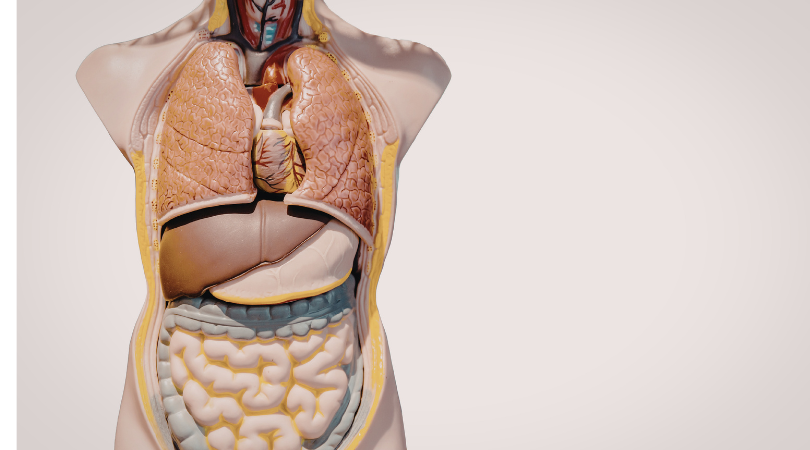
From a Western biomedical perspective, the liver plays a central role in detoxification and metabolic function. It is responsible for processing environmental toxins, metabolizing hormones, producing bile, and supporting digestion.⁸ These processes are often described in terms of Phase I and Phase II detoxification pathways, which transform and eliminate compounds from the body.
Nutritional and botanical interventions can support these pathways at a biochemical level. Compounds such as N-acetylcysteine (NAC) serve as precursors to glutathione, one of the body’s primary antioxidants.⁹ Herbs such as milk thistle have demonstrated hepatoprotective effects, supporting liver cell regeneration, and reducing oxidative stress.¹⁰ Dandelion root is also widely used to support bile flow and digestive function.
In clinical settings, these interventions are often selected based on individual presentation, laboratory findings, and overall detoxification capacity and necessity.
In addition to internal support, naturopathic traditions emphasize the importance of promoting optimal functioning of elimination pathways, including the lymphatic system. Practices such as dry brushing, castor oil packs, and adequate hydration are commonly used to encourage circulation and drainage. While some of these approaches are supported more by empirical evidence than large-scale clinical trials, their longstanding use reflects consistent therapeutic value.
Gentle drainage therapies, including homeopathic preparations such as UNDA numbers, are also utilized to support organ systems in a gradual and balanced manner. These natural, homeopathic approaches align closely with the principles of individualization as well as working with and alongside rather than against nature emphasized in Chinese medicine.
An Integrative Perspective: Bridging Two Worlds
When Eastern and Western perspectives are considered together, a more complete picture of health emerges. Chinese medicine offers a framework rooted in flow, balance, and seasonal alignment, while Western medicine provides detailed insight into biochemical processes and measurable physiological change.
In clinical practice, an integrative approach to spring detoxification may include nourishing the body with seasonal foods, incorporating daily movement and stress-regulating practices, and utilizing targeted nutritional and herbal support where appropriate. Acupuncture or acupressure may further enhance systemic balance, while gentle yet biochemically targeted detoxification strategies support the body’s natural elimination pathways.
Rather than existing in opposition, these systems complement one another, each addressing different aspects and acknowledging different facets of physiology and healing.
Rethinking Detoxification
In modern wellness culture, detoxification is often portrayed as something rapid, sparse, or extreme. In reality, detoxification is an ongoing physiological process that typically benefits most from consistent, gentle support rather than aggressive intervention.
Clinically, patients often respond more favorably to gradual, sustainable approaches that support the body’s inherent capacity for regulation and repair.
Spring offers an opportunity to shift away from force-based strategies and toward a more sustainable and accessible model of renewal and natural alignment.
Conclusion: A Return to Flow
As the season shifts, so too does the internal landscape. Supporting the Liver during spring is not only about detoxification, but about restoring movement, clarity, and connection within the body.
Through an integrative approach that honors both Eastern and Western traditions, detoxification becomes less about removing what is unwanted and more about restoring the body’s natural capacity for flow.
In this way, healing is not driven by force, but guided by rhythm – the same natural rhythm and healing capacity that naturopathic doctors acknowledge every day, vis medicatrix naturae.
 Heather Tynan, ND is a licensed doctor and acupuncturist with dual doctorates from Bastyr University (ND) and Pacific College of Health and Science (DACM) in San Diego, California. Natural health and living are her passion, and her calling is to share these values and strategies with her patients and the greater community. As a Vitalist, her mission is to honor the body’s innate healing capacity and to help effect a return to the simple basics of medicine, which turn out to be some of the most powerful effectors of whole person ~ mind, body, & spirit ~ health.
Facebook: “Dr. Heather, ND” (https://www.facebook.com/HeatherTynanND)
REFERENCES
- Maciocia G. The foundations of Chinese medicine. 3rd ed. Elsevier; 2015.
- Hall JE. Guyton and Hall textbook of medical physiology. 14th ed. Elsevier; 2021.
- Kaptchuk TJ. The web that has no weaver: understanding Chinese medicine. 2nd ed. McGraw-Hill; 2000.
- Deadman P, Al-Khafaji M, Baker K. A manual of acupuncture. Journal of Chinese Medicine Publications; 2007.
- Pitchford P. Healing with whole foods: Asian traditions and modern nutrition. 3rd ed. North Atlantic Books; 2002.
- Bensky D, Clavey S, Stöger E. Chinese herbal medicine: materia medica. 3rd ed. Eastland Press; 2004.
- Vickers AJ, Cronin AM, Maschino AC, et al. Acupuncture for chronic pain: individual patient data meta-analysis. Arch Intern Med. 2012;172(19):1444-1453.
- Klaassen CD, ed. Casarett and Doull’s toxicology: the basic science of poisons. 8th ed. McGraw-Hill; 2013.
- Atkuri KR, Mantovani JJ, Herzenberg LA, Herzenberg LA. N-acetylcysteine—a safe antidote for cysteine/glutathione deficiency. Curr Opin Pharmacol. 2007;7(4):355-359.
- Abenavoli L, Capasso R, Milic N, Capasso F. Milk thistle in liver diseases: past, present, future. Phytother Res. 2010;24(10):1423-1432.