Advancing Public Health Through Community Alignment
Valuing self-reliance and freedom, certain enthusiast groups are naturally drawn to holistic, naturopathic, and integrative care because it aligns with their ethos of personal autonomy and preparedness. These are often high-trust communities where good resources spread quickly. Reaching them is not about gimmicks. It is about showing up with useful education, respect, and a clear next step into individualized care.
Cryptocurrency Enthusiasts:
Individuals immersed in cryptocurrency and blockchain technology often prioritize innovation, autonomy, and alternative systems. Many also go out of their way to support aligned businesses, so accepting cryptocurrency can function as a meaningful signal, not just a convenience. Engage this tech-savvy community with education that addresses real problems common in high-screen, high-stress lifestyles, including sleep disruption, nervous system strain, focus, gut issues tied to irregular schedules, and recovery. You can often reach them through local meetups, coworking spaces, conferences, and online communities where they already share resources.
Tech Industry Professionals:
Professionals in the tech industry are typically open to new ideas and innovation, but they do not respond to vague wellness language. Connect with this group by hosting webinars, podcasts, or practical education that links modern tech life to sleep, stress physiology, metabolic health, cognitive performance, and resilience. Highlight the value of individualized care, direct access, and a practitioner who can think in systems rather than a one-size protocol. Many of these professionals gather through startup circles, employer wellness programs, podcasts, and local tech communities.
Home Schooling Networks:
Parents who homeschool often seek comprehensive educational resources that include health and wellness. Attract these families by offering family-oriented workshops or educational sessions that incorporate holistic and naturopathic principles in a practical way, including immune resilience, digestion, sleep routines, mood, focus, and nutrition that supports learning. Emphasize self-sufficiency and personalized education, aligning with their commitment to tailored, independent learning experiences. You can often connect through local co-ops, parent networks, charter program communities, and regional homeschool events.
DIY and Maker Communities:
Enthusiasts engaged in DIY projects, from home improvements to crafting, typically enjoy hands-on learning and skill-building. Engage this community by offering workshops that translate naturopathic principles into practical home strategies, such as building a home health toolkit, foundational first-aid support, sleep routines, digestion basics, and recovery habits. Emphasize competence and self-reliance while also making it clear when a situation warrants individualized clinical care. Maker fairs, local workshops, tool stores, and community maker spaces are often strong entry points.
Ranchers and Farmers:
Deeply connected to the land and the cycles of nature, ranchers and farmers often value sustainability, practical competence, and the ability to solve problems without outside dependency. Many appreciate approaches that support resilience and long-term function, especially given the physical demands of their work. Offer workshops on family wellness, injury recovery, sleep quality, inflammation support, stress resilience, and energy stability through demanding seasons. Your veterinary angle belongs here too. Education on natural veterinary practices and foundational animal-support strategies can build trust quickly, because livestock health and family health often overlap in daily life and livelihood. You can often reach these communities through co-ops, feed stores, county events, local agriculture networks, and rural community gatherings.
Hunters:
With a strong respect for nature and wildlife management, hunters often value physical endurance, recovery, and staying sharp under demanding conditions. Provide practical education on sleep, inflammation control, joint stability, mobility, hydration, and nutrition that supports stamina. Emphasize individualized care that improves recovery and resilience without preaching or posturing. Ranges, archery shops, conservation groups, local clubs, and seasonal events are common places where trust-based recommendations spread.
Second Amendment Enthusiasts:
Valuing self-reliance and freedom, Second Amendment communities may be drawn to holistic and naturopathic approaches that emphasize personal responsibility, preparedness, and resilience. Highlight practical strategies for preventive care, recovery, and long-term strength. Stress privacy, informed choice, and the value of a practitioner who respects patient agency and treats people like capable adults. These communities often gather around local training groups, ranges, and community networks where word travels quickly when something works.
Emergency Preparedness Groups:
Individuals focused on emergency preparedness prioritize readiness across scenarios, which aligns well with holistic and naturopathic principles. Offer workshops on building natural health emergency kits, herbal first aid, preventive care strategies, and practical routines that strengthen resilience. Emphasize steady function under stress and realistic health management when conditions are not ideal. Preparedness groups often connect through CERT programs, ham radio circles, local training weekends, and community preparedness meetups.
All these communities share a reverence for nature and a strong sense of independence. They value self-sufficiency, personal autonomy, privacy, and a proactive approach to health management. When you focus on those shared values and show up with useful education, you build trust that turns into long-term patients and strong referrals. This is practice building that also advances public health through prevention, competence, and personal responsibility.
- The independent practitioner advantage: The personal, tailored approach of independent holistic and naturopathic professionals can be especially appealing to these communities.
- Personalized Care: Stress the value of one-on-one consultations that address individual health needs, history, and goals rather than standardized protocols.
- Direct Communication: Highlight direct access and straightforward communication that strengthens trust and follow-through.
- Customized Treatment Plans: Emphasize plans that evolve based on response and real life, rather than forcing a patient into a rigid protocol.
- Flexibility and Accessibility: Point out flexible scheduling, remote consultations, and follow-up options that support consistency and accountability.
- Transparency and Education: Emphasize education-first care that explains the why behind recommendations so patients can make informed choices and take ownership of outcomes.
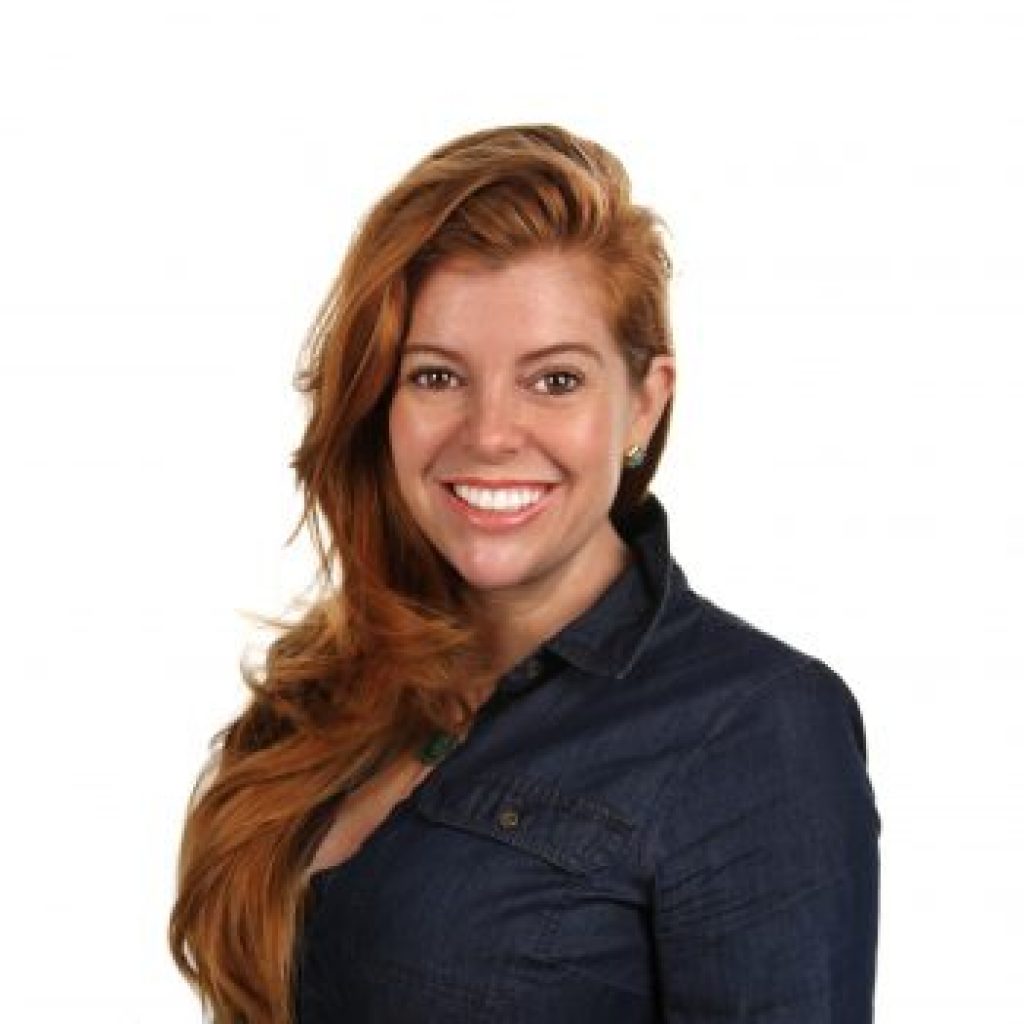
Razi Ann Berry is Publisher and Co-Founder of NDNR Journal of Applied Natural Medicine, founded in 2005. Her work has been recognized by the American Association of Naturopathic Physicians with the Champion of Naturopathic Medicine Award (2017) and Corporation of the Year (2009), and by the Mindshare Collaborative with the Rising Tide Award (2019) and an award for Best Digital Media (2016). Since 2014, she has hosted the annual Physician’s Choice Awards. Her practice-building perspective is grounded in 14 years as a clinic co-owner and in leading a mastermind for naturopathic doctors.