NODE SMITH, ND
As the human body’s largest organ, the skin is responsible for protecting against a wide range of possible infections on all fleshy surfaces, from head to toe. So how exactly does the skin organize its defenses against such an array of threats?
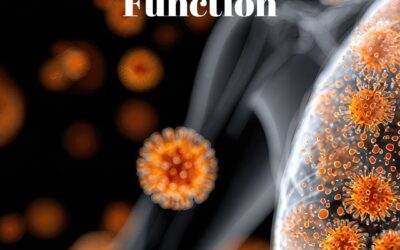
A new Yale study shows that the epidermis, the outermost layer of skin, is comprised of an army of immune cells that station themselves at regular intervals across the skin’s vast expanse to resist infection. When necessary, the researchers found, these immune system soldiers are able to reposition themselves to protect vulnerable areas.
The study, published in the journal Nature Cell Biology, was conducted by the lab of Valentina Greco, the Carolyn Walch Slayman Professor of Genetics, at Yale School of Medicine.
“It’s a surveillance system with two separate roles,” said Catherine Matte-Martone, manager of the Greco lab manager and co-first author of the study. “The skin controls the sentinels by mediating their numbers based on its own density, while they in turn provide dynamic coverage to prevent cracks in the skin’s defenses.”
The epidermis contains two main types of immune system cells, Langerhans cells (LCs) and dendritic epidermal T cells (DETCs). In the study, the research team led by Matte-Martone and Sangbum Park, a researcher from Michigan State University (MSU), captured images of these immune system cells interacting with epithelial cells, the closely packed skin cells that comprise most of the epidermis.
They found that the immune system cells are distributed in a distinct pattern, maintaining a minimum distance between the individual cells. According to the researchers, these immune cells seem to have the ability to avoid each other, preventing clusters in any locations and maintaining a consistent distribution.
The phenomenon is similar to a property observed in neurons, in which scientists have observed a tendency of neurons from a single branch to avoid each other.
“Our study suggests that LCs and DETCs appear to have a mechanism of ‘self-avoidance,’, similar to neuronal cells,” said Park, an assistant professor at MSU and former postdoctoral fellow in the Greco lab at Yale.
When the team removed some immune cells in one area, they observed that the remaining cells were able to reposition across the skin tissue to defend the gaps in coverage. They also found that they could disrupt the normal distribution of those cells by knocking out a gene known as Rac1 (Ras-related C3 botulinum toxin substrate 1), which regulates projections on immune cells called dendrites. This process, they hypothesize, helps maintain the distance between immune cells.
The findings illustrate how specialized cell types can cooperate to carry out a larger role within the body.
“It is fascinating to observe how these different cell types co-exist and interact together in a developmental context rather than an immunological one,” Martone said.
1. Chae Ho Lim, Mayumi Ito. Tracking skin and immune cell interactions. Nature Cell Biology, 2021; DOI: 10.1038/s41556-021-00680-3

Node Smith, ND, is a naturopathic physician in Humboldt, Saskatchewan and associate editor and continuing education director for NDNR. His mission is serving relationships that support the process of transformation, and that ultimately lead to healthier people, businesses and communities. His primary therapeutic tools include counselling, homeopathy, diet and the use of cold water combined with exercise. Node considers health to be a reflection of the relationships a person or a business has with themselves, with God and with those around them. In order to cure disease and to heal, these relationships must be specifically considered. Node has worked intimately with many groups and organizations within the naturopathic profession, and helped found the non-profit, Association for Naturopathic Revitalization (ANR), which works to promote and facilitate experiential education in vitalism.