

A...
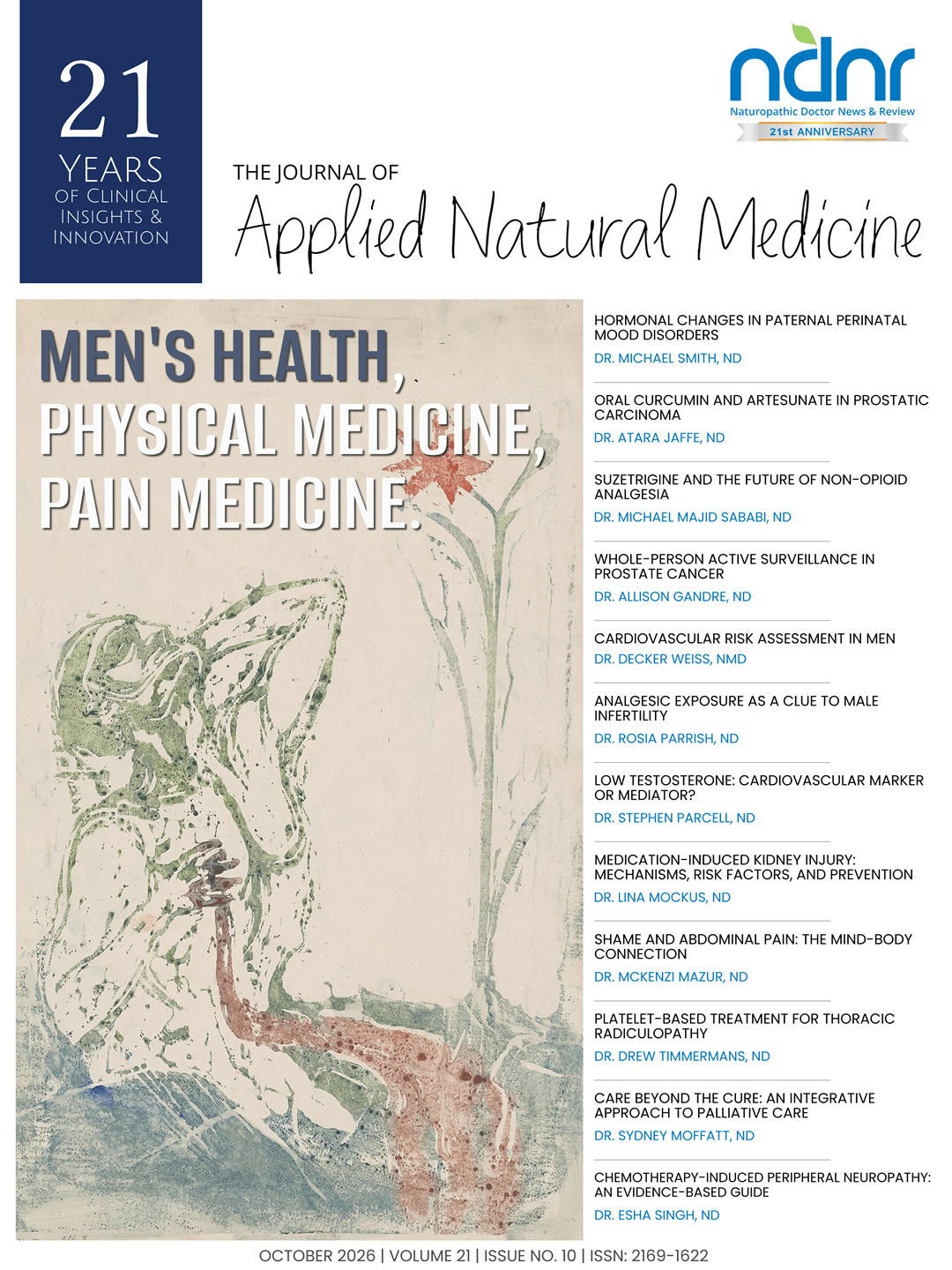
Chemotherapy-Induced Peripheral Neuropathy: An Evidence-Based Guide for Naturopathic Physicians
read more
A new study from King’s College London examines why chronic pain can persist long after an injury occurs. This new research could potentially explain why even minor injuries can potentially lead to long-lasting pain. Published in the journal Cell Reports, researchers found that injuries leave “footprints” in cells that cause chronic pain.
Researchers looked at the nervous systems of mice to find that nerve damage changes certain epigenetic markers to make for lasting pain. These genes carry what is almost like a memory of the injury, even though they still act and look like normal cells.
One of the authors of the study Dr Franziska Denk explains, “We are ultimately trying to reveal why pain can turn into a chronic condition. We already knew that chronic pain patients have nerves that are more active, and we think this is probably due to various proteins and channels in those nerves having different properties.
However, it is unclear why these nerves should remain in this overactive, highly sensitive state, even when the initial injury or disease has gone: the back pain from two years ago that never quite went away or the joints that are still painful despite your rheumatoid arthritis being in remission.”
People develop chronic pain for a variety of reasons, but this study shows one effort to get to the root cause of chronic pain. More research still needs to be done into this emerging field, but epigenetics may very well explain why chronic pain persists.
 Razi Berry, Founder and Publisher of Naturopathic Doctor News & Review (ndnr.com) and NaturalPath (thenatpath.com), has spent the last decade as a natural medicine advocate and marketing whiz. She has galvanized and supported the naturopathic community, bringing a higher quality of healthcare to millions of North Americans through her publications. A self-proclaimed health-food junkie and mother of two; she loves all things nature, is obsessed with organic gardening, growing fruit trees (not easy in Phoenix), laughing until she snorts, and homeschooling. She is a little bit crunchy and yes, that is her real name.