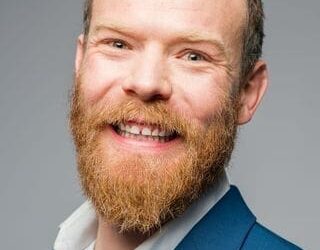
Thomas Ballard RN, ND
As consumers, doctors and politicians heatedly debate the cost of prescription drugs, the central focus is almost always on, Who will pay? But this is the wrong question.
Disturbing evidence suggests that drugs are not always the best use of our healthcare dollars:
- Major medical journals estimate that side effects from prescription drugs cost $76.6 billion per year.
- According to the Journal of the American Medical Association (JAMA), the third leading cause of death in the U.S. is iatrogenic or “physician induced.” It’s reported that 250,000 people die each year from iatrogenic causes. These iatrogenic reactions result in 116 million extra physician visits, 77 million extra prescriptions, 17 million emergency department visits, 8 million hospitalizations and 199,000 additional prescription-related deaths.
- Another JAMA article estimates that from 76,000-137,000 people die from adverse drug reactions (ADRs), thus making ADRs somewhere between the 4th and 6th leading cause of death.
Some might argue that these expenses and deaths are the risk we endure for having the best healthcare system in the world. However, the truth is that U.S. health statistics are poor. The U.S. rates near the bottom in life expectancy among industrialized countries. The only thing we rate highest in is cost.
Others plead that we can’t leave these people to suffer without hope. But there are many safe alternatives to prescription drugs. Two of the most heavily researched alternatives are diet and exercise. The evidence supporting them is so strong that the treatment of choice for most, if not all, diabetes specialists would be diet and exercise for adult-onset diabetes. The same can be said for cardiologists treating high blood pressure and cholesterol.
A major study just found that exercise dramatically reduces breast cancer. And the American Cancer Society strongly advocates the cancer-fighting benefits of vegetables. A number of studies have found that a walk in the neighborhood is as effective for depression as prescription medications. I could go on. The point being that diet and exercise, two safe alternatives to drugs, have earned a place in the debate over healthcare funding.
What if the billions that are being spent on pharmaceuticals were channeled toward providing education and access to good nutrition and regular exercise? Perhaps instead of debating how to help the elderly pay $150 a month for their “heart pills”, we could be providing health club memberships and special classes, and subsidizing vegetables. Many seniors pay enough for drugs to hire a personal trainer.
Medical doctors often object, “Yes, exercise and diet are the best treatments, but patients simply won’t follow through. It’s easier to take a pill.” But patients complain that their MDs don’t discuss alternatives. When blood pressure is high, a prescription is written; end of visit. The average MD patient visit is about eight minutes. How many alternatives and drug side effects can be discussed in that time?
Meanwhile, the patient is bombarded with drug advertisements, the financial pages tout the latest “miracle” treatment, and public debate focuses on money for drugs. It takes an exceptional person to look outside the medicine cabinet.
Most of us can live quite well without prescription drugs and all of us would benefit by shifting the debate from ‘Who pays for prescription drugs?’ to ‘What works, what is the most cost effective, and the least dangerous?’ Let’s deal diet and exercise into our healthcare funding debates.
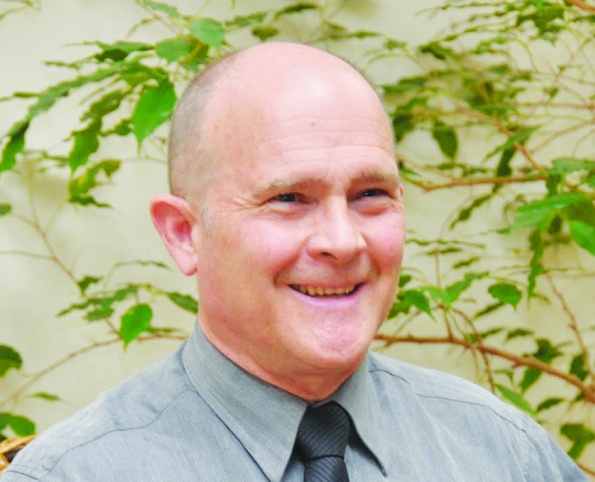 Tom Ballard, RN, ND, graduated from Bastyr University (Kenmore, Washington) in 1982 and is the director of Pure Wellness Centers (www.PureWellnessCenters.com). He has lectured internationally, and his articles have appeared in various publications. Tom is the author of Nutrition-1-2-3: Three Proven Diet Wisdoms for Losing Weight, Gaining Energy, and Reversing Aging(CreateSpace, 2009) and The Last Quack (CreateSpace, 2009), the first naturopathic suspense novel. Contact him at TomBallardND@gmail.com.