

A...
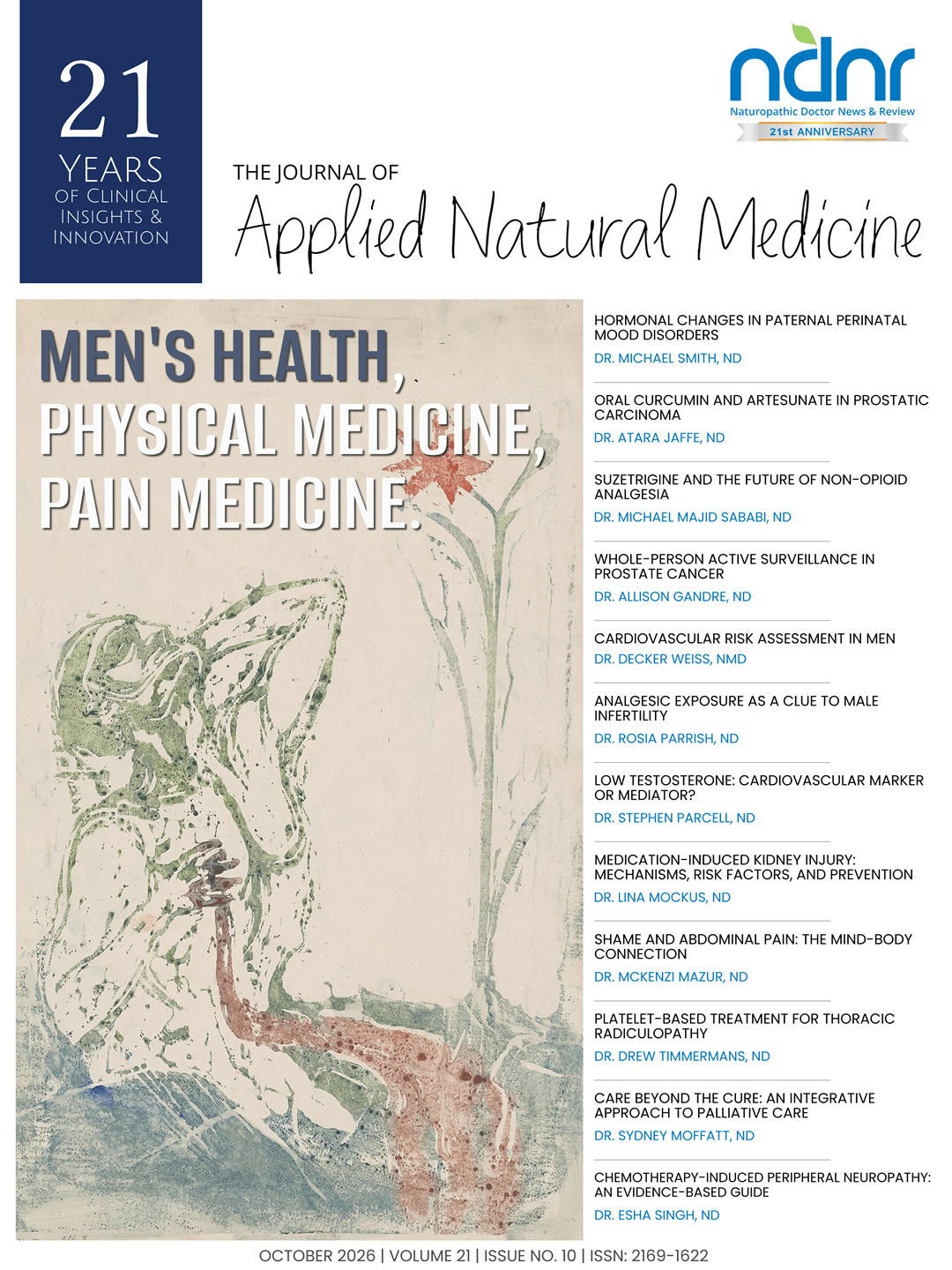
Chemotherapy-Induced Peripheral Neuropathy: An Evidence-Based Guide for Naturopathic Physicians
read more
Node Smith, ND
Part of the difficulty with analyzing products for contaminants (whether supplements, or foods) is the time it takes to analyze a sample. Addressing this obstacle, a research team at the National University of Singapore (NUS) has developed an innovative new technique for screening of pesticides in vegetables.1 The new technique, which is able to detect extremely minute amounts of pyrethroids in foods, uses magnetic nanoparticles and has reduced the screening process to under 2 hours.
Pyrethroids are among many synthetic pesticides used worldwide to control agricultural pests. The chemicals supposedly increase crop yield, however long term ingestion of these compounds could have deleterious effects on health, especially on fetal development in pregnant women.
Screening for these chemicals, and other pesticides has traditionally been very time consuming and costly. It has used procedures such as column filtration and centrifugation, taking up to 6 hours or more to analyze a single sample. The new procedure, developed by Assistant Professor Yang Hongshun and his PhD student, Miss Yu Xi, both from the Food Science and Technology Programme at the NUS Faculty of Science, uses polystyrene coated magnetic nanoparticles to extract the chemical pesticide residue from the food source (vegetable crop) for analysis. The analysis is done via magnetic separation. The nanoparticles are simply added to a liquid sample made from the vegetable, where they act as “micro-magnets” to attract the residue. An organic solvent is then used to wash off the pesticides bound to the nanoparticles.
The innovative analytic design allows for a complete analysis in under 2 hours, and can show pyrethroid concentration levels as low as 0.02 nanograms per gram of vegetable. The same nanoparticles can be used up to 30 times, which means that this process is very cost effective.
 Node Smith, ND, is a naturopathic physician in Portland, OR and associate editor for NDNR. He has been instrumental in maintaining a firm connection to the philosophy and heritage of naturopathic medicine among the next generation of docs. He helped found the first multi-generational experiential retreat, which brings elders, alumni, and students together for a weekend camp-out where naturopathic medicine and medical philosophy are experienced in nature. Four years ago he helped found the non-profit, Association for Naturopathic ReVitalization (ANR), for which he serves as the board chairman. ANR has a mission to inspire health practitioners to embody the naturopathic principles through experiential education. Node also has a firm belief that the next era of naturopathic medicine will see a resurgence of in-patient facilities which use fasting, earthing, hydrotherapy and homeopathy to bring people back from chronic diseases of modern living; he is involved in numerous conversations and projects to bring about this vision.