Tolle Totum
Rhondalynn Smith Brustoski, ND
Victoria, a 35-year-old female, presented to my office in April 2010 with diffuse cerebral venous sinus thrombosis secondary to oral contraceptive pills (OCPs). She had residual ataxia and gait disturbances, weight gain, eye pain, poor sleep, acne, musculoskeletal pain, paralysis, dizziness, loss of balance, anxiety, high stress, and migraines.
Patient History
The patient had a cerebral venous thrombosis (CVT) while training for a half-marathon. Once hospitalized, she had a mild seizure. She was given levetiracetam, nortriptyline, gabapentin, and warfarin. As a result of the medications, she experienced severe acne and weight gain. Since experiencing the CVT, her vision had declined to near-sightedness. The patient had difficulty falling asleep, and said she had always had poor sleep patterns throughout life. She had a lifetime history of anxiety and high stress. Within the past year, she lost a loved one, which caused her significant grief. She had been on OCPs for half of her life including the time of the CVT. She had a history of mild to severe constipation, as well as a past history of menstrual issues. She had a significant family history of CVTs and cardiovascular conditions that dated back 4 generations. Her health priorities were to reduce her medications over time, lose weight, and to run a half-marathon in 5 months.
Assessment & Plan
The patient’s significant family medical history of CVTs suggested a genetic or miasmatic predisposition to the condition. I suspected that the significant loss she had experienced mentally and emotionally, in addition to her high stress, anxiety, family medical history, and use of OCPs, all played roles in her current condition. The systems most affected were her central nervous system, and her cardiovascular and endocrine systems.
I prescribed Dr. Dick Thom’s Basic Treatment Guidelines (BTGs),1 to establish a foundation of health and well-being that would support and optimize the above systems. These BTGs included: deep conscious breathing AM and PM, filtered water (one-half of body weight in ounces), gradual daily movement, contrast hydrotherapy, castor oil packs, sleeping in total darkness, being outside everyday, probiotics, a proprietary vitamin/mineral supplement to support the cardiovascular and nervous systems,2 massage therapy, and a diet that was gluten-free, casein-free, and anti-inflammatory. The patient was also advised to stop OCPs.
Follow-up Visits:
One-Month Follow-up & Plan
At the 1-month follow-up, the patient reported an 18-lb weight loss, reduced pain, complete mobility (including walking a few miles with walker assistance), improved sleep, greater calm, improved energy, no migraines, and no eye strain. She had worked 30 hours the previous week, felt no musculoskeletal pain, and had experienced an increased frequency of bowel movements. She was instructed to continue her current treatment plan and to add in 3 proprietary low-potency homeopathic combinations of plants and minerals targeting specific systems, as well as a mixed homeopathic to reduce stress, a botanical immune booster, and grape seed extract.
Two-Month Follow-up & Plan
At 2 months, the patient felt overall better and calmer despite experiencing 2 emotional breakdowns during the past month. Blood clots had decreased by 80%. She craved dairy and had eaten cheese. As a result, she felt sick for 3 days, and experienced diarrhea and abdominal pain.
The patient was instructed to continue her treatment plan, and to add in the following: apple cider vinegar before meals, a rotation of ground seeds and essential fatty acids, B-complex, a liquid calcium/magnesium supplement, Epsom salt baths, and Mag Phos 6X tissue salt.
Four-Month Follow-up & Plan
The patient had lost 40 pounds since mid-April, was tolerating some dairy, felt improved mentally and emotionally (improved mood, no emotional breakdowns), and had decreased all medications per her neurologist. The treatment plan was to continue BTGs and the plan established in the previous visit.
Six-Month Follow-up & Plan
The patient had continued to lose more weight, losing a total of 60 pounds since the CVT. She was off all medications per her neurologist. She was able to be 100% active in terms of movement; however, she had muscle stiffness. She had improved sleep, mood, energy, and appetite, and reported an improved menstrual cycle, with decreased pain. She was instructed to continue her current plan.
Nine-Month Follow-up & Plan
The patient had seen her neurologist, whose neurological exam was within normal limits. As a result, she was released from neurological care. Her bowel movement frequency had improved to 1-2 times per day, and her acne had cleared. She wanted to be more physically active, and she had set a goal to run a half-marathon in a few months.
At this point, patient continued all BTGs and was advised to follow up as needed. She ran 2 half-marathons in less than 2 years after a full recovery.
Discussion
Several studies show the use of oral contraceptives is strongly associated with CVTs in women. One particular study showed that the presence of both the prothrombin gene mutation and OCP use raises the risk of CVT even further.3 I did not test for this mutation in my patient; however, her strong family history of CVT over 4 generations was suggestive of possible miasmatic and hereditary influence. In this case, the patient reported that changing her diet and lifestyle behaviors resulted in the most improvement.
The tremendous improvement displayed in this patient’s condition demonstrates the power of building and supporting the foundation of health and well-being via nature-cure and Basic Treatment Guidelines. The specific low-dose, mixed homeopathic formulations addressed the overall toxicity of the case by targeting the function of liver and kidneys, and promoting the catabolism of medications. Her other treatments were specifically selected to address the nervous system. The patient was very happy with her progress, and we continue to follow up over time. She still maintains her diet and BTGs.
References:
- Thom D, Drobot J. Basic Treatment Guidelines. Scottsdale, AZ: JELD Publishing; 2013. Available at: http://www.beating-cancer-gently.com/support-files/btgfinal.pdf. Accessed July 15, 2016.
- Thom D. UNDA Numbers: An Energetic Journey To Homeostasis and Wellness. Portland, OR: JELD Publications & Wholistic Solutions; 2007.
- Martinelli I, Sacchi E, Landi G, et al. High risk of cerebral-vein thrombosis in carriers of a prothrombin-gene mutation and in users of oral contraceptives. N Engl J Med. 1998;338(25):1793-1797.
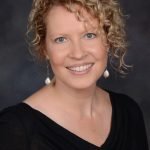 Rhondalynn Smith Brustoski, ND, graduated from Bastyr University and is in private practice at Nature Cure Health and Wellness, in Chagrin Falls, OH. In her practice she works to transform the paradigm of medicine by offering a preventive and curative approach to health care. She believes it is vital to create a long-term, healing therapeutic relationship with each patient so that she can unveil the underlying cause(s) of signs and symptoms rather than simply manage symptoms. Her foundational nature-cure approach to health care and wellness focuses on optimal lifestyle choices, biotherapeutic drainage, craniosacral therapy, counseling, hydrotherapy, homeopathy, and botanical medicine. Dr Brustoski is also a contributing author for the textbook Foundations of Naturopathic Medicine.