A comprehensive scoping review explores how olive oil and its bioactive constituents may influence depression, anxiety, stress, and other mental health outcomes across clinical trials, epidemiological research, and preclinical models.
Dr. Monique Aucoin ND MSc
Vanessa Eedy
Abstract
This article summarizes a 49-study scoping review examining the relationship between olive oil intake (and its key polyphenols) and mental health. It highlights evidence for potential antidepressant and anxiolytic effects, discusses proposed mechanisms such as antioxidant and anti-inflammatory actions, and outlines current gaps in dose, duration, and clinical application.
Intro
Mental illness has become highly prevalent across the world, with a particular rise in mood and anxiety disorders. In Canada, mental health disorders impact one in five people every year.1 Through impact on social support, employment, marital status, and disability, mental illness is known to cause significant impairments on quality of life.2 With these debilitating consequences, it’s not surprising that mental illness remains one of the leading causes of disability in Canada.3 This rise in prevalence and profound impact highlights the critical need for research addressing treatments and preventative measures for mental illness.
The Mediterranean diet is well known for its numerous health benefits. It’s been found to reduce the risk of a multitude of diseases, including cancer, cardiovascular disease, metabolic disease, neurodegenerative disease, and even overall mortality.4,5 An abundance of research has recently emerged suggesting adherence to the Mediterranean diet may reduce risk and symptom severity of several mental health disorders. A meta-analysis of randomized controlled trials found that greater adherence to the Mediterranean diet resulted in significant reductions in depressive symptoms.7 Although a large body of research exists for the health benefits of the Mediterranean diet, little is known about the health benefits of the individual foods that make up the diet, such as olive oil.
One of the major staples of the Mediterranean diet is olive oil, making up 20-25% of the diet’s total energy intake.8 On its own, olive oil has been found to have a wide variety of health benefits, including a protective effect on cardiovascular disease, type 2 diabetes, and all-cause mortality.8 Some studies found health benefits with specific constituents of olive oil. Although olive oil is comprised of a several compounds, the main constituents include oleic acid, an omega-9 fatty acid, and oleuropein, a phenolic compound.9 Constituents of olive oil have been found to be linked to lowers risk of cancer, owing to their anti-inflammatory and antioxidant effects.10,11 Another study found the high phenolic content of olive oil significantly decreased the levels of oxidative stress biomarkers.12 Furthermore, the polyphenols in olive oil were also found to have immunomodulatory effects, as observed by a significant reduction in symptom severity of immune-mediate inflammatory diseases.13 Each of these beneficial properties of olive oil may be contributing to the positive impact of the Mediterranean diet on mental health. However, this connection between olive oil and mental health is not fully understood.
A recent scoping review sought to synthesize the current research on olive oil and mental health, including human experimental studies, observational studies, and animal studies.14 The effect of both olive oil and its constituents were considered in this review.
The Findings: Forty-nine studies were included in the scoping review. Of these studies, 17 were human experimental, 18 were observational, and 14 were animal studies. While the majority of these studies were designed to assess the relationship between olive oil and mental health, 13 of the human experimental studies and four of the animal studies used olive oil as a comparator to assess the effect of another intervention, such as omega-3 fatty acids, on mental health outcomes.
All four human intervention studies designed to evaluate the impact of olive oil supplementation as an intervention reported improved mental health outcomes. These outcomes included: depression, mental health status, anxiety and depression, and stress.15–18 Of the 13 human intervention studies using olive oil as a comparator intervention, eight found improvements in mental health outcomes in both the olive oil and intervention group, four found improvements in the intervention group only, and one found no improvements in either group. The outcomes studied are presented in Figure 2.19–31
Figure 2. Human studies using olive oil as a comparator intervention.
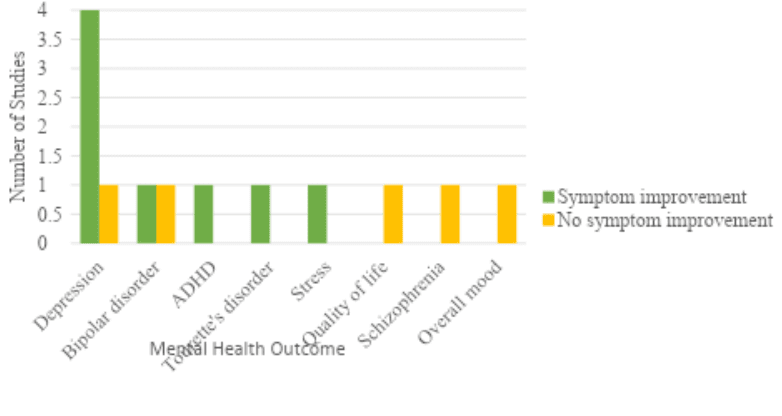
Figure 3. Results of the observational studies assessing the relationship between olive oil consumption and mental illness.
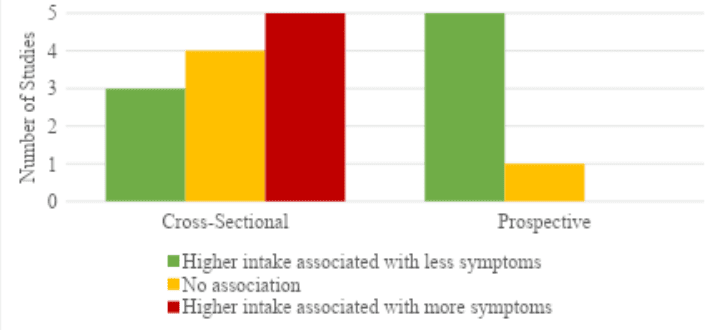
Amongst observational studies, there was inconsistent findings with some studies reporting associations between more olive oil and higher (n=5) rate of mental illness, some reporting lower (n=8) rates of mental illness, and some reporting no association (n=5) (Figure 3).32–49 It is noted that the prospective studies primarily reported an association between higher intake and less mental illness.
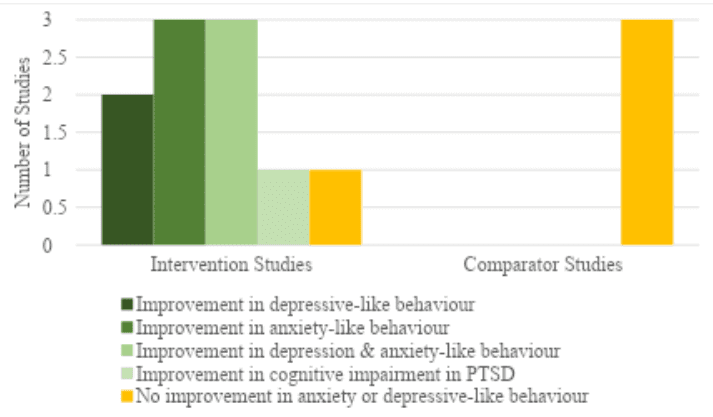
Figure 4. Animal intervention and comparator studies.
Of the 10 animal studies designed to evaluate the impact of olive oil supplementation as an intervention, 9 reported significant improvements in mental health outcomes with higher olive oil consumption (Figure 4).50–59 Lastly, all four animal studies using olive oil as a comparator found no improvement in mental health outcomes in the olive oil group (Figure 4).60–63
Discussion and Implications:
The mechanism by which olive oil exerts its effects on mental health is not well understood. However, these benefits may be attributed to its anti-inflammatory and antioxidant properties. One of the proposed factors involved in the pathogenesis of mental illness is oxidative stress.64 Specific compounds in olive oil have been found to protect against oxidative stress, namely hydrophilic polyphenols, including oleuropein, demethyloleuropein, and ligstroside.65,66 Other compounds have been found to inhibit inflammatory pathways, namely 3,4-dihydroxyphenylglycol (DHPG) and hydroxytyrosol (HT).67 Other studies suggest olive oil may have impacts on mental health by reducing 5-hydroxytryptamine, 5-hydroxyindoleacetic acid, and dopamine, while increasing homovinilic acid, a metabolite of dopamine.55 It has been suggested that the anxiolytic effects are a result of the reduction of 5-hydroxytryptamine synthesis and metabolism, while the anti-depressive effects are a result of the increase in dopamine release and turnover.55
Varying dosages of olive oil were used among the studies included in the scoping review, ranging from 280 mg to 8 g per day. Studies also assessed different durations of olive oil intake. Based on these inconsistencies, it is challenging to define a clear dosage recommendation for use of olive oil for mental health in a clinical setting. Furthermore, although the scoping review suggests a possible therapeutic role for olive oil, there are still many gaps in the scientific knowledge on this topic. More research is necessary to identify the dose of olive oil that is most helpful and the mental health conditions most likely to respond.
It’s important to also discuss the poor suitability of olive oil as a placebo in mental health research. Ten of the 13 human studies using olive oil as a comparison treatment reported improvement in mental health outcomes in the participants receiving olive oil. These findings suggest olive oil may not be inert in terms of mental health and therefore may be a poor choice for use as a placebo.
Olive oil is a reasonably accessible food as it’s found in many grocery stores. It’s also very versatile and can be easily added to a variety of foods, such as salads, breads, pasta, and cooked vegetables. Nearly any spice or herb can be infused in olive oil to offer a bit of a twist to its flavor. For example, infusions may include rosemary, chili flakes, and lemon to name a few. Olive oil has also recently been gaining popularity for use in desserts and even coffee. However, it’s important to note that olive oil has a relatively low smoke point. Based on the low smoke point, there is a common assumption that extra virgin olive oil is not an ideal choice for cooking at high temperatures. This assumption is founded in the idea that smoke point indicates an oil’s ability to withstand heat and thus defines its suitability for cooking. However, recent evidence suggests that when compared to other edible oils with smoke points that are higher, extra virgin olive oil may be able to withstand higher cooking temperatures than previously thought.68,69
Overall, the Mediterranean diet, a diet renowned for its substantial health benefits including mental health, uses olive oil as a staple ingredient. Recommending the Mediterranean diet, particularly with an emphasis on olive oil, is a valuable treatment in naturopathic care for patients with mood and anxiety disorders. More research is needed to fully understand the precise effects of this food on mental health symptoms.
 Dr. Monique Aucoin, ND, MSc is a licensed naturopathic doctor, researcher, and educator with over a decade of clinical experience focused on mental health and nutritional psychiatry. She is a Senior Research Fellow at the Canadian College of Naturopathic Medicine (CCNM) and an Adjunct Professor at the University of Guelph’s Human Health and Nutritional Sciences Department, where she advances research on the role of diet and nutrients in the prevention and treatment of mood and anxiety disorders. Dr. Aucoin has authored more than 35 peer-reviewed scientific publications, led the world’s first clinical trial assessing dietary counseling for generalized anxiety disorder, and teaches evidence-based practice and research methodology to naturopathic students. In practice, she collaborates with individuals to integrate evidence-based nutrition, lifestyle, and natural therapeutics to optimize mental well-being.
References:
- Caron J, Liu A. A descriptive study of the prevalence of psychological distress and mental disorders in the Canadian population: comparison between low-income and non-low-income populations. Chronic Dis Can. 2010;30(3):84-94.
- Defar S, Abraham Y, Reta Y, et al. Health related quality of life among people with mental illness: The role of socio-clinical characteristics and level of functional disability. Front Public Health. 2023;11:1134032. doi:10.3389/fpubh.2023.1134032
- Lang JJ, Alam S, Cahill LE, et al. Global Burden of Disease Study trends for Canada from 1990 to 2016. Can Med Assoc J. 2018;190(44):E1296-E1304. doi:10.1503/cmaj.180698
- Serra-Majem L, Roman B, Estruch R. Scientific Evidence of Interventions Using the Mediterranean Diet: A Systematic Review. Nutr Rev. 2006;64:S27-S47. doi:10.1111/j.1753-4887.2006.tb00232.x
- Sofi F, Cesari F, Abbate R, Gensini GF, Casini A. Adherence to Mediterranean diet and health status: meta-analysis. BMJ. 2008;337(sep11 2):a1344-a1344. doi:10.1136/bmj.a1344
- Madani S, Ahmadi A, Shoaei‐Jouneghani F, Moazen M, Sasani N. The relationship between the Mediterranean diet and Axis I disorders: A systematic review of observational studies. Food Sci Nutr. 2022;10(10):3241-3258. doi:10.1002/fsn3.2950
- Firth J, Marx W, Dash S, et al. The Effects of Dietary Improvement on Symptoms of Depression and Anxiety: A Meta-Analysis of Randomized Controlled Trials. Psychosom Med. 2019;81(3):265-280. doi:10.1097/PSY.0000000000000673
- Martínez-González MA, Sayón-Orea C, Bullón-Vela V, et al. Effect of olive oil consumption on cardiovascular disease, cancer, type 2 diabetes, and all-cause mortality: A systematic review and meta-analysis. Clin Nutr. 2022;41(12):2659-2682. doi:10.1016/j.clnu.2022.10.001
- Haris Omar S. Oleuropein in Olive and its Pharmacological Effects. Sci Pharm. 2010;78(2):133-154. doi:10.3797/scipharm.0912-18
- González-Rodríguez M, Ait Edjoudi D, Cordero-Barreal A, et al. Oleocanthal, an Antioxidant Phenolic Compound in Extra Virgin Olive Oil (EVOO): A Comprehensive Systematic Review of Its Potential in Inflammation and Cancer. Antioxidants. 2023;12(12):2112. doi:10.3390/antiox12122112
- Papakonstantinou A, Koumarianou P, Rigakou A, et al. New Affordable Methods for Large-Scale Isolation of Major Olive Secoiridoids and Systematic Comparative Study of Their Antiproliferative/Cytotoxic Effect on Multiple Cancer Cell Lines of Different Cancer Origins. Int J Mol Sci. 2022;24(1):3. doi:10.3390/ijms24010003
- Derakhshandeh‐Rishehri S, Kazemi A, Shim SR, et al. Effect of olive oil phenols on oxidative stress biomarkers: A systematic review and dose–response meta‐analysis of randomized clinical trials. Food Sci Nutr. 2023;11(5):2393-2402. doi:10.1002/fsn3.3251
- Santangelo C, Varì R, Scazzocchio B, et al. Anti-inflammatory Activity of Extra Virgin Olive Oil Polyphenols: Which Role in the Prevention and Treatment of Immune-Mediated Inflammatory Diseases? Endocr Metab Immune Disord – Drug Targets. 2017;18(1):36-50. doi:10.2174/1871530317666171114114321
- Eedy V, Aucoin M. The role of olive oil and its constituents in mental health: a scoping review. Br J Nutr. Published online December 19, 2024:1-11. doi:10.1017/S000711452400299X
- Foshati S, Ghanizadeh A, Akhlaghi M. Extra-Virgin Olive Oil Improves Depression Symptoms Without Affecting Salivary Cortisol and Brain-Derived Neurotrophic Factor in Patients With Major Depression: A Double-Blind Randomized Controlled Trial. J Acad Nutr Diet. 2022;122(2):284-297.e1. doi:10.1016/j.jand.2021.07.016
- Rus A, Molina F, Ramos MM, Martínez-Ramírez MJ, Del Moral ML. Extra Virgin Olive Oil Improves Oxidative Stress, Functional Capacity, and Health-Related Psychological Status in Patients With Fibromyalgia: A Preliminary Study. Biol Res Nurs. 2017;19(1):106-115. doi:10.1177/1099800416659370
- Canheta ABDS, Santos ASEADC, Souza JDD, Silveira EA. Traditional Brazilian diet and extra virgin olive oil reduce symptoms of anxiety and depression in individuals with severe obesity: Randomized clinical trial. Clin Nutr. 2021;40(2):404-411. doi:10.1016/j.clnu.2020.05.046
- Mitsukura Y, Sumali B, Nara R, et al. Evaluation of olive oil effects on human stress response by measuring cerebral blood flow. Food Sci Nutr. 2021;9(4):1851-1859. doi:10.1002/fsn3.2099
- Gertsik L, Poland RE, Bresee C, Rapaport MH. Omega-3 fatty acid augmentation of citalopram treatment for patients with major depressive disorder. J Clin Psychopharmacol. 2012;32(1):61-64. doi:10.1097/JCP.0b013e31823f3b5f
- Aasebø W, Svensson M, Jenssen T, Eide IA. Marine n-3 Polyunsaturated Fatty Acid Supplementation and Quality of Life After Kidney Transplant. Transplant Proc. 2019;51(2):466-469. doi:10.1016/j.transproceed.2019.01.067
- Park Y, Park YS, Kim SH, Oh DH, Park YC. Supplementation of n-3 Polyunsaturated Fatty Acids for Major Depressive Disorder: A Randomized, Double-Blind, 12-Week, Placebo-Controlled Trial in Korea. Ann Nutr Metab. 2015;66(2-3):141-148. doi:10.1159/000377640
- Stoll AL, Severus WE, Freeman MP, et al. Omega 3 fatty acids in bipolar disorder: a preliminary double-blind, placebo-controlled trial. Arch Gen Psychiatry. 1999;56(5):407-412. doi:10.1001/archpsyc.56.5.407
- Stevens L, Zhang W, Peck L, et al. EFA supplementation in children with inattention, hyperactivity, and other disruptive behaviors. Lipids. 2003;38(10):1007-1021. doi:10.1007/s11745-006-1155-0
- Silvers KM, Woolley CC, Hamilton FC, Watts PM, Watson RA. Randomised double-blind placebo-controlled trial of fish oil in the treatment of depression. Prostaglandins Leukot Essent Fatty Acids. 2005;72(3):211-218. doi:10.1016/j.plefa.2004.11.004
- Pawełczyk T, Grancow-Grabka M, Kotlicka-Antczak M, Trafalska E, Pawełczyk A. A randomized controlled study of the efficacy of six-month supplementation with concentrated fish oil rich in omega-3 polyunsaturated fatty acids in first episode schizophrenia. J Psychiatr Res. 2016;73:34-44. doi:10.1016/j.jpsychires.2015.11.013
- Gracious BL, Chirieac MC, Costescu S, Finucane TL, Youngstrom EA, Hibbeln JR. Randomized, placebo-controlled trial of flax oil in pediatric bipolar disorder. Bipolar Disord. 2010;12(2):142-154. doi:10.1111/j.1399-5618.2010.00799.x
- Gabbay V, Babb JS, Klein RG, et al. A double-blind, placebo-controlled trial of ω-3 fatty acids in Tourette’s disorder. Pediatrics. 2012;129(6):e1493-1500. doi:10.1542/peds.2011-3384
- Bradbury J, Myers SP, Meyer B, et al. Chronic Psychological Stress Was Not Ameliorated by Omega-3 Eicosapentaenoic Acid (EPA). Front Pharmacol. 2017;8:551. doi:10.3389/fphar.2017.00551
- Sousa TMD, Santos LCD. Effect of antenatal omega-3 supplementation on maternal depressive symptoms from pregnancy to 6 months postpartum: a randomized double-blind placebo-controlled trial. Nutr Neurosci. 2023;26(6):551-559. doi:10.1080/1028415X.2022.2068877
- Fontani G, Corradeschi F, Felici A, Alfatti F, Migliorini S, Lodi L. Cognitive and physiological effects of Omega-3 polyunsaturated fatty acid supplementation in healthy subjects. Eur J Clin Invest. 2005;35(11):691-699. doi:10.1111/j.1365-2362.2005.01570.x
- Meyer BJ, Grenyer BFS, Crowe T, Owen AJ, Grigonis-Deane EM, Howe PRC. Improvement of major depression is associated with increased erythrocyte DHA. Lipids. 2013;48(9):863-868. doi:10.1007/s11745-013-3801-7
- Vučković M, Radić J, Gelemanović A, Bučan Nenadić D, Kolak E, Radić M. Associations between Depression, Nutritional Status and Mediterranean Diet in Dalmatian Kidney Transplant Recipients. Nutrients. 2021;13(12):4479. doi:10.3390/nu13124479
- Daley C, Patterson A, Sibbritt D, MacDonald-Wicks L. Unsaturated fat intakes and mental health outcomes in young women from the Australian Longitudinal Study on Women’s Heath. Public Health Nutr. 2015;18(3):546-553. doi:10.1017/S1368980014000561
- Li D, Tong Y, Li Y. Associations between dietary oleic acid and linoleic acid and depressive symptoms in perimenopausal women: The Study of Women’s Health Across the Nation. Nutr Burbank Los Angel Cty Calif. 2020;71:110602. doi:10.1016/j.nut.2019.110602
- Pagliai G, Sofi F, Vannetti F, et al. Mediterranean Diet, Food Consumption and Risk of Late-Life Depression: The Mugello Study. J Nutr Health Aging. 2018;22(5):569-574. doi:10.1007/s12603-018-1019-3
- Bertoli S, Spadafranca A, Bes-Rastrollo M, et al. Adherence to the Mediterranean diet is inversely related to binge eating disorder in patients seeking a weight loss program. Clin Nutr Edinb Scotl. 2015;34(1):107-114. doi:10.1016/j.clnu.2014.02.001
- Cocchi M, Tonello L. Bio molecular considerations in major depression and ischemic cardiovascular disease. Cent Nerv Syst Agents Med Chem. 2010;10(2):97-107. doi:10.2174/187152410791196378
- Kim SW, Jhon M, Kim JM, et al. Relationship between Erythrocyte Fatty Acid Composition and Psychopathology in the Vienna Omega-3 Study. PloS One. 2016;11(3):e0151417. doi:10.1371/journal.pone.0151417
- Virkkunen ME, Horrobin DF, Jenkins DK, Manku MS. Plasma phospholipid essential fatty acids and prostaglandins in alcoholic, habitually violent, and impulsive offenders. Biol Psychiatry. 1987;22(9):1087-1096. doi:10.1016/0006-3223(87)90051-5
- Assies J, Lok A, Bockting CL, et al. Fatty acids and homocysteine levels in patients with recurrent depression: an explorative pilot study. Prostaglandins Leukot Essent Fatty Acids. 2004;70(4):349-356. doi:10.1016/j.plefa.2003.12.009
- Assies J, Lieverse R, Vreken P, Wanders RJ, Dingemans PM, Linszen DH. Significantly reduced docosahexaenoic and docosapentaenoic acid concentrations in erythrocyte membranes from schizophrenic patients compared with a carefully matched control group. Biol Psychiatry. 2001;49(6):510-522. doi:10.1016/s0006-3223(00)00986-0
- Kim SW, Schäfer MR, Klier CM, et al. Relationship between membrane fatty acids and cognitive symptoms and information processing in individuals at ultra-high risk for psychosis. Schizophr Res. 2014;158(1-3):39-44. doi:10.1016/j.schres.2014.06.032
- Sumich AL, Matsudaira T, Heasman B, et al. Fatty acid correlates of temperament in adolescent boys with attention deficit hyperactivity disorder. Prostaglandins Leukot Essent Fatty Acids. 2013;88(6):431-436. doi:10.1016/j.plefa.2013.03.004
- Leone A, Martínez-González MÁ, Lahortiga-Ramos F, et al. Adherence to the Mediterranean dietary pattern and incidence of anorexia and bulimia nervosa in women: The SUN cohort. Nutr Burbank Los Angel Cty Calif. 2018;54:19-25. doi:10.1016/j.nut.2018.02.008
- Kyrozis A, Psaltopoulou T, Stathopoulos P, Trichopoulos D, Vassilopoulos D, Trichopoulou A. Dietary lipids and geriatric depression scale score among elders: the EPIC-Greece cohort. J Psychiatr Res. 2009;43(8):763-769. doi:10.1016/j.jpsychires.2008.09.003
- Elstgeest LEM, Visser M, Penninx BWJH, Colpo M, Bandinelli S, Brouwer IA. Bidirectional associations between food groups and depressive symptoms: longitudinal findings from the Invecchiare in Chianti (InCHIANTI) study. Br J Nutr. 2019;121(4):439-450. doi:10.1017/S0007114518003203
- Sánchez-Villegas A, Verberne L, De Irala J, et al. Dietary fat intake and the risk of depression: the SUN Project. PloS One. 2011;6(1):e16268. doi:10.1371/journal.pone.0016268
- Wolfe AR, Ogbonna EM, Lim S, Li Y, Zhang J. Dietary linoleic and oleic fatty acids in relation to severe depressed mood: 10 years follow-up of a national cohort. Prog Neuropsychopharmacol Biol Psychiatry. 2009;33(6):972-977. doi:10.1016/j.pnpbp.2009.05.002
- Ford PA, Jaceldo-Siegl K, Lee JW, Youngberg W, Tonstad S. Intake of Mediterranean foods associated with positive affect and low negative affect. J Psychosom Res. 2013;74(2):142-148. doi:10.1016/j.jpsychores.2012.11.002
- Kokras N, Poulogiannopoulou E, Sotiropoulos MG, et al. Behavioral and Neurochemical Effects of Extra Virgin Olive Oil Total Phenolic Content and Sideritis Extract in Female Mice. Mol Basel Switz. 2020;25(21):5000. doi:10.3390/molecules25215000
- Pitozzi V, Jacomelli M, Zaid M, et al. Effects of dietary extra-virgin olive oil on behaviour and brain biochemical parameters in ageing rats. Br J Nutr. 2010;103(11):1674-1683. doi:10.1017/S0007114509993655
- Xu AN, Nie F. Brain-derived neurotrophic factor enhances the therapeutic effect of oleuropein in the lipopolysaccharide-induced models of depression. Folia Neuropathol. 2021;59(3):249-262. doi:10.5114/fn.2021.108550
- Nakajima S, Fukasawa K, Gotoh M, Murakami-Murofushi K, Kunugi H. Saturated fatty acid is a principal cause of anxiety-like behavior in diet-induced obese rats in relation to serum lysophosphatidyl choline level. Int J Obes 2005. 2020;44(3):727-738. doi:10.1038/s41366-019-0468-z
- Badr AM, Attia HA, Al-Rasheed N. Oleuropein Reverses Repeated Corticosterone-Induced Depressive-Like Behavior in mice: Evidence of Modulating Effect on Biogenic Amines. Sci Rep. 2020;10(1):3336. doi:10.1038/s41598-020-60026-1
- Perveen T, Hashmi BM, Haider S, Tabassum S, Saleem S, Siddiqui MA. Role of monoaminergic system in the etiology of olive oil induced antidepressant and anxiolytic effects in rats. ISRN Pharmacol. 2013;2013:615685. doi:10.1155/2013/615685
- Lee B, Shim I, Lee H, Hahm DH. Effect of oleuropein on cognitive deficits and changes in hippocampal brain-derived neurotrophic factor and cytokine expression in a rat model of post-traumatic stress disorder. J Nat Med. 2018;72(1):44-56. doi:10.1007/s11418-017-1103-8
- Hryhorczuk C, Décarie-Spain L, Sharma S, et al. Saturated high-fat feeding independent of obesity alters hypothalamus-pituitary-adrenal axis function but not anxiety-like behaviour. Psychoneuroendocrinology. 2017;83:142-149. doi:10.1016/j.psyneuen.2017.06.002
- Murotomi K, Umeno A, Yasunaga M, et al. Oleuropein-Rich Diet Attenuates Hyperglycemia and Impaired Glucose Tolerance in Type 2 Diabetes Model Mouse. J Agric Food Chem. 2015;63(30):6715-6722. doi:10.1021/acs.jafc.5b00556
- Mikami T, Kim J, Park J, et al. Olive leaf extract prevents obesity, cognitive decline, and depression and improves exercise capacity in mice. Sci Rep. 2021;11(1):12495. doi:10.1038/s41598-021-90589-6
- Tung TH, Tung YT, Lin IH, et al. Fish Oil, but Not Olive Oil, Ameliorates Depressive-Like Behavior and Gut Microbiota Dysbiosis in Rats under Chronic Mild Stress. Biomolecules. 2019;9(10):516. doi:10.3390/biom9100516
- Cutuli D, Landolfo E, Nobili A, et al. Behavioral, neuromorphological, and neurobiochemical effects induced by omega-3 fatty acids following basal forebrain cholinergic depletion in aged mice. Alzheimers Res Ther. 2020;12(1):150. doi:10.1186/s13195-020-00705-3
- Cutuli D, Landolfo E, Decandia D, et al. Neuroprotective Role of Dietary Supplementation with Omega-3 Fatty Acids in the Presence of Basal Forebrain Cholinergic Neurons Degeneration in Aged Mice. Int J Mol Sci. 2020;21(5):1741. doi:10.3390/ijms21051741
- Chen WQ, Zhang YZ, Yuan L, Li YF, Li J. Neurobehavioral evaluation of adolescent male rats following repeated exposure to chlorpyrifos. Neurosci Lett. 2014;570:76-80. doi:10.1016/j.neulet.2014.03.068
- Salim S. Oxidative Stress and Psychological Disorders. Curr Neuropharmacol. 2014;12(2):140-147. doi:10.2174/1570159X11666131120230309
- Servili M, Montedoro G. Contribution of phenolic compounds to virgin olive oil quality. Eur J Lipid Sci Technol. 2002;104(9-10):602-613. doi:10.1002/1438-9312(200210)104:9/10<602::AID-EJLT602>3.0.CO;2-X
- Efentakis P, Iliodromitis E, Mikros E, et al. Effects of the Olive Tree Leaf Constituents on Myocardial Oxidative Damage and Atherosclerosis. Planta Med. 2015;81(08):648-654. doi:10.1055/s-0035-1546017
- Fernández-Prior Á, Bermúdez-Oria A, Millán-Linares MDC, Fernández-Bolaños J, Espejo-Calvo JA, Rodríguez-Gutiérrez G. Anti-Inflammatory and Antioxidant Activity of Hydroxytyrosol and 3,4-Dihydroxyphenyglycol Purified from Table Olive Effluents. Foods. 2021;10(2):227. doi:10.3390/foods10020227
- De Alzaa F, Guillaume C, Ravetti L. Evaluation of Chemical and Physical Changes in Different Commercial Oils during Heating. Acta Sci Nutr Health. 2018;2(6):02-11.
- Albi T, Lanzón A, Guinda A, León M, Pérez-Camino MC. Microwave and Conventional Heating Effects on Thermoxidative Degradation of Edible Fats. J Agric Food Chem. 1997;45(10):3795-3798. doi:10.1021/jf970181x