A clinical and creative exploration of how vibrational sound therapies and mindfulness practices can regulate the nervous system, reduce anxiety, and enhance emotional well-being in adolescents.
Tanvi Gandhi, ND, L.Ac.
Abstract
Music communicates non-verbally and universally, helping individuals connect with their emotions and remain present. Its vibrational frequencies–ranging from instruments to binaural beats–can influence both brain activity and the autonomic nervous system. Sound healing is grounded in the concept that sound waves can shift physiological and psychological states. Listening to specific frequencies may help synchronize brainwaves, encouraging deep relaxation, clarity, and emotional regulation. Neuroscientific evidence shows that sound can activate the parasympathetic nervous system, reduce cortisol levels, and regulate heart rate and brain activity. Mindfulness-based sound therapies provide a unique opportunity for mind-body-spirit integration by anchoring awareness in the present moment.
Adolescence is a developmental phase characterized by emotional, physiological, and psychological changes. Teens are particularly susceptible to anxiety, depression, academic and social stress, neurodivergence, and challenges around self-worth and identity. This paper explores how mindfulness-based sound healing can be used therapeutically with adolescents in both one-on-one and group settings.
Sound Healing Practices
Sound healing is an ancient practice that employs various sound frequencies and vibrations to promote physical, emotional, and mental well-being. Instruments commonly used in sound healing include singing bowls (Tibetan or crystal), gongs, tuning forks, drums, chimes, monolina-monochord, and even the human voice through chanting or toning. From my naturopathic medical thesis on ancient sound healing practices, I gathered that sounds have always been part of mind-body-spiritual healing. From my training in integrative psychiatry and narrative medicine, I have gathered that combining creative practices like sound healing along with mindfulness practices can create a unique synergy beneficial for adolescent experience. Adolescents may benefit from sensory-rich activities that engage them, as sound can serve as a sensory anchor for attention and potentially enhance accessibility to mindfulness practices.
Examples of Sound-Based Practices:
- Sound Baths: In a sound bath, adolescents are guided to lie down or sit comfortably while a facilitator plays meditative sounds using one of the above listed instruments. The immersive soundscape encourages participants to focus on the sensations and vibrations, gently guiding their attention back to the present whenever the mind wanders.
- Mindful Listening involves focusing attention on specific sounds, whether from natural environments (rainfall, birdsong) or musical sources such as binaural beats. Adolescents are encouraged to observe developing their capacity for concentration and present-moment awareness.
- Vocal Toning and Chanting: Using the voice to produce sustained tones or simple chants can be both grounding and empowering. Group chanting fosters a sense of connection and belonging, while the vibrations produced can have a calming effect on the nervous system.
- Guided Meditations with Sound: Guided meditations that incorporate gentle background sounds, such as soft music or nature recordings, provide an auditory anchor or grounding that helps adolescents settle into practice, especially those who may struggle with silence.
Suggested Benefits:
- Stress Reduction and Nervous system regulation: The soothing qualities of harmonious sound can lower stress hormones, stimulate vagus nerve and induce states of relaxation and shift in brain waves and heart rate.
- Improved Emotional Regulation: Mindfulness with sound helps adolescents observe emotions non-judgmentally, creating space to respond rather than react to difficult feelings.
- Enhanced Focus and Attention: The act of listening attentively to sound trains the mind to sustain focus, which can carry over into academic and social domains.
- Increased Self-Awareness and Somatic experiencing: Mindful sound practices invite introspection, helping adolescents become attuned to their internal states and bodily sensations.
- Community and Connection: Group sound practices foster a sense of inclusion and shared experience, counteracting social isolation.
- Potential to integrate with other mental health modalities such as acupuncture and cranial-sacral therapy treatments.
Implementation Tips for Adolescent Programs:
When integrating sound healing into adolescent mindfulness programs, it is important to consider the unique needs and preferences of this age group. Some practical tips include:
- Creating a Safe Environment: Adolescents benefit from clear guidelines, respect for personal boundaries, and the option to participate at their own comfort level. Facilitators should explain the process and address any questions or concerns.
- Choice of Instruments: Instruments with gentle, melodic tones (such as crystal singing bowls or chimes) are often well received. Loud or abrupt sounds may be startling or overstimulating for some participants.
- Session Length: Shorter sessions (10-30 minutes) are generally more appropriate for adolescents, with opportunities to debrief and share experiences afterwards.
- Inclusivity and Accessibility: Ensure that practices are inclusive of diverse backgrounds and sensitivities. Sound-based mindfulness can be adapted for neurodiverse adolescents and those with sensory processing differences.
- Integration into Daily Life: Encourage adolescents to use mindful listening or sound relaxation techniques during stressful times, such as before exams, competitions, or bedtime.
Clinical Application: a One-on-One setting
Chief Complaint: 13-year-old Female Patient with Anxiety. Pt feels school pressure and is also very active in sports activities and gymnastics. Pt also plays guitar and shows a high level of interest in musical experiences and activities.
A 45-50 min one-on-one clinical session looks like below
The session could begin with a short mindfulness breathing exercise and body scan, inviting the patient to notice the sensations of sound as they arise and fade. I also suggest setting an intention.
Once they are feeling settled and grounded, I facilitate sound healing using crystal bowls with different frequencies. I also use tuning forks, chimes, and monolina monochord.
Throughout the session, I am checking in to ensure the sounds are soothing rather than overwhelming and adapting the experience to their feedback and comfort level. I also check pulse, heart rate, and cranial-sacral rhythms before and after the experience.
Once the session is completed, I allow a few minutes for integration with the patient to help process any emotions or sensations that came up and would like to share. I recommend journaling anything that arises for later reflection. Patient was also curious to play the monolina herself and experience how the strings felt in comparison to her guitar.
Over several weeks at the end of the 2 months and busy spring season, the patient reports reduced anxiety, improved focus, sleep hygiene, and increased joy and enjoyment. She also wanted to continue sound healing sessions on a regular basis, and I am planning to incorporate auricular acupressure to allow deeper regulation of the nervous system along with sound healing in future sessions.
Clinical Application Group Sound Bath:
Sound bath held for 5 adolescent patients in a mindfulness studio
A 45-minute session was conducted as below
I welcomed them with sipping tea in a circle and suggested they set an intention or say them out loud if they were comfortable.
Patients were guided to lie on mats, and I guided them in a meditation using some mindfulness with creative visualization practice.
Once they were settled and comfortable, I used crystal bowls, monalina monochord, Tibetan bowls, and chimes. I was checking in on how they were feeling and guiding them to allow any mindful observations of natural sensations or emotions.
After about 40 minutes, allowing time for integration and rest, and guided them into mindful movement practice towards the end, and if they needed to share anything in space or journal.
Patients were curious to try the instruments after, and they were calling the facilitation a “sound lab” experience. They reported a sense of calm, comfort, connection, and deeper relaxation. They wanted to invite friends to the experience next time and enjoy the relaxation together.
We continued this sound bath immersion once a week for 5 weeks.
Conclusion
Both therapeutic interventions offered adolescents a creative experience to support their mental health journey. The feedback and observations during the individual and group sessions pointed out that the mindfulness-based sound healing offered a gentle, engaging, and powerful means to support adolescent mental health. By harnessing the universal language of sound, these practices meet adolescents where they are and can facilitate tools for future mind, body, and spiritual well-being. As research continues to evolve and awareness spreads, my hope is that sound-based mindfulness may become an important integrative approach to mental health care, helping the next generation navigate life’s complexities and ongoing stressors of the world with clarity, compassion, and resilience. Thank you for reading my humble exploration of mindfulness-based sound therapeutic interventions for adolescent patients.
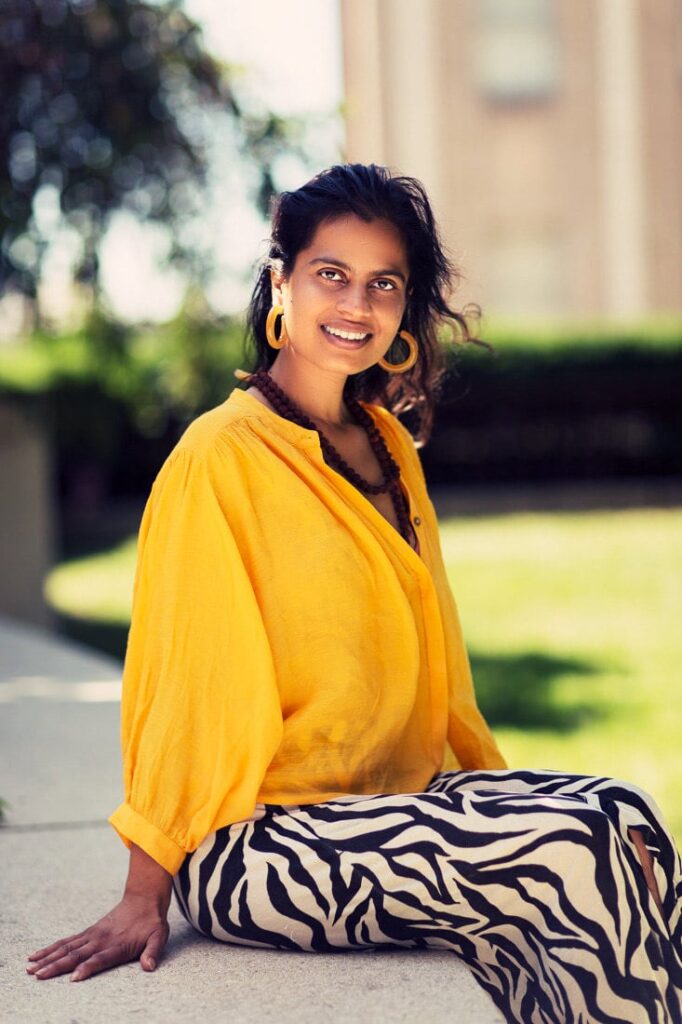
Dr. Tanvi Gandhi, ND, L.Ac., is a devoted Naturopathic Physician, Certified Integrative Psychiatry Provider, and Licensed Acupuncturist practicing in both Connecticut and New York. With a background in Microbiology, Immunology, and Genetics from UCLA and research experience at the National Institutes of Health, Dr. Tanvi blends deep scientific knowledge with holistic wisdom. During medical school, she was honored with the “Best Student Doctor Who is Calm in Crisis” award, a reflection of her grounded, compassionate presence in care. She is passionate about infusing creativity in medicine.She is the founder of Shiva-Shakti Acupuncture and Ayurveda, a healing space rooted in both ancient traditions and modern integrative medicine. Tanvi sees herself as a bridge holding space for your story to unfold while offering guidance and support on your path to healing. Whether in one-on-one sessions or group facilitations, her goal is always to empower and educate her patients with tools for self-awareness, self-healing, and deep inner restoration.
Dr. Tanvi offers care through her private practice based in Stamford, CT. She also leads wellness programs such as Mindful Alchemy, Sound healing throughout Fairfield County and the NYC area. She also serves as the Wellness Provider for a Transitional Living Program and facilitates adult and adolescent mindfulness and integrative wellness groups at Silver Hill Hospital. Her additional training in Narrative Medicine at Columbia University and a fellowship in Integrative Psychiatry at the University of Colorado further deepens her ability to support the whole person—mind, body, and spirit. She has been published in Narrative Medicine Intima Journal and Medium Magazine.
References
- Chen L. Influence of music on the hearing and mental health of adolescents and countermeasures. Front Neurosci. 2023 Aug 3;17:1236638. doi: 10.3389/fnins.2023.1236638. PMID: 37600009; PMCID: PMC10434992.
- Goldsby TL, Goldsby ME, McWalters M, Mills PJ. Effects of Singing Bowl Sound Meditation on Mood, Tension, and Well-being: An Observational Study. J Evid Based Complementary Altern Med. 2017 Jul;22(3):401-406. doi: 10.1177/2156587216668109. Epub 2016 Sep 30. PMID: 27694559; PMCID: PMC5871151.
- Ruth Maria IngendohID*, Ella S. Posny, Angela Heine Department of Psychology, University of Duisburg-Essen, Essen, Germany. Plos One. Binaural beats to entrain the brain? A systematic review of the effects of binaural beat stimulation on brain oscillatory activity, and the implications for psychological research and intervention.