Jared M. Skowron, ND
In January 2010, I had a dream come to fruition. Thanks to the support of Dean Guru Sandesh Khalsa, ND, and Associate Clinical Dean Christina Arbogast, ND, a teaching clinic shift specifically and exclusively to treat pediatrics started at University of Bridgeport, Health Science Center. As an expanding center of excellence for the college, this new teaching clinic gives 4th year naturopathic students the ability to focus on the nuances of treating children naturopathically.
Jason Belejack, Rebecca Georgia, Ann Lee, Jennifer Monteleone, Carolina Padilla, and Jaime Schehr were the first group of students to complete the pediatric training. This article summarizes their experiences, as a reminder to us all of what we freshly learned, and maybe forgot from school.
- “It’s easier than you think.” Returning to the basics of naturopathic medicine is so effective in treating children. Changing diet, removing food sensitivities, and teaching parents to feed their children in healthy ways not only treats current health conditions, but also prevents inflammatory disease, heart disease, and metabolic disease in the future. It’s so important to instill good eating habits early on because childhood is the time of learning and bad habits are tough to break.
- “Treating children means treating families.” Especially when treating breastfeeding children, the diets and medicines of the mother are addressed. Family dynamics are forced to adapt when diets and lifestyles are changed. Many families are split with fathers or mothers in other homes. Sometimes grandparents and other caretakers need to be involved in the understanding and implementation of treatment plans. In order for them to enforce the changes, they must understand the reason for them. If the primary caretaker is okay with it, invite other caretakers to the office visits when you’re first explaining diet changes and treatments plans.
- “Know your limitations.” The utmost purpose is the health of the child. Sometimes that means treating naturopathically and removing unneeded pharmaceuticals. Other times it means referring or prescribing antibiotics or other lifesaving medications. A 2-year-old male presented with acute fever of 104F and unilateral ocular swelling. The parents were very naturally minded and avoided their pediatrician, but came to see us on the pediatric shift. While a mild case of orbital cellulitis can very easily be treated naturally, his condition had progressed to such a severe state that blindness was only a few days away. Antibiotics probably saved his vision, and the parents were extremely happy that we understood that there are limits, and that we acknowledged them in order to help their son. Referring them out has made them more dedicated patients at the teaching clinic.
- “We had so much fun.” A relaxed atmosphere is essential to quickly gain the respect and trust of kids. White coats come off, toys are played with, and high fives for all. There’s a fine, fine line between maintaining professionalism and interacting with the children. Healthcare quality never drops for a second. History, physical exam, and appropriate diagnostics and treatments are always performed with as much care as an adult, but you can still color on the floor while you do that.
- “Compliance is education.” When the parent asks, “Will this work?” our answer is always, “If you do it.” Most of our failures have come when the parents did not implement our treatment protocol, diet changes weren’t adhered to, or supplements weren’t taken. This barrier is usually one of understanding and reasoning. If they understand why it will help, they will more likely do it. On the East Coast, we find ‘science’ is part of the major paradigm, and lab tests go a long way to bridge the gap of natural medicine and conventional paradigm. Explaining the reasons we need to do things improves our compliance greatly, and with that, improves our results.
The student group chose to name the shift, “Welcome to the Jungle” because we were the busiest teaching shift, doubling or tripling the amount of patients on other shifts. This is because there is a great desire for natural medicine for children. Parents may feel okay taking a medication for themselves, but putting a toxic substance into their children if it’s unnecessary is becoming more and more unwanted. Naturopathy answers that call for help. We, as a profession, need to provide the medical answers for parents that are looking for natural, integrated pediatric medicine.
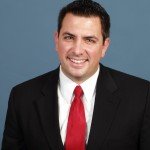
Jared Skowron, ND is vice president of PedANP and a national expert for natural medicine in children. He is author of Fundamentals of Naturopathic Pediatrics, the definitive text on evidence-based natural remedies for children’s health conditions, and his new book with Rodale Publishing will be out in early 2011. He is a faculty member at University of Bridgeport, where he is professor of pediatrics and founder of the Pediatric & Autism Teaching Clinic. He was recently on Animal Planet, Dogs 101, as a medical advisor, and his article, “10 Myths of Vitamin D” was chosen as one of the best vitamin D articles by the Vitamin D Council.