

A...
Chemotherapy-Induced Peripheral Neuropathy: An Evidence-Based Guide for Naturopathic Physicians
read more
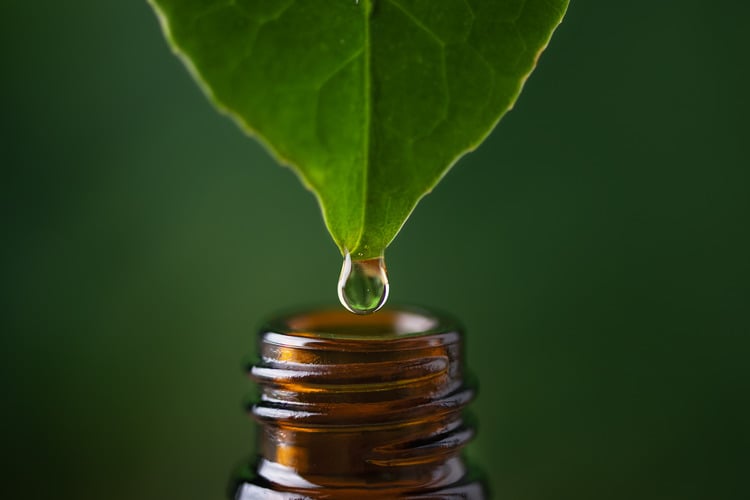
Essential oils are complex mixtures of volatile secondary metabolites capable of interacting with multiple biological pathways and targets. Their antimicrobial, antibiofilm, anti-inflammatory, mucolytic, and neuromodulatory activities support their use as multitarget therapeutics. This article examines essential oils through a microbiome-centered clinical lens, with attention to their chemistry, mechanisms of action, preparation, and route of administration for specific gastrointestinal, respiratory, and urinary applications. The examples discussed demonstrate how these factors inform the selection and use of essential oils for specific therapeutic goals, including oregano, peppermint, eucalyptus, lemon, lemongrass, and other oils incorporated into targeted Oleobiotic® formulations.5-7,9-35
Microbial ecology provides an important framework for understanding how essential oils may influence health. The 2007 Human Microbiome Project and subsequent research shifted the clinical perspective from viewing microbes primarily as isolated pathogens to recognizing them as communities that interact with the host. The gastrointestinal, respiratory, and genitourinary tracts each support distinct microbial ecosystems that interact with epithelial barriers and influence immune, metabolic, inflammatory, nervous system, and other physiological processes.1-4
Antimicrobial therapy remains essential when clinically indicated for severe infections. At the same time, antibiotic exposure can produce measurable changes in microbial composition and antimicrobial-resistance gene carriage. Understanding the effects of conventional antibiotics on these communities provides important context for considering an alternative or complementary approach.
Studies in healthy adults demonstrate substantial microbiome disruption following commonly used antibiotics. Some report that much of the microbial community recovers toward baseline within approximately 1.5–2 months, while some alterations persist for at least 6 months.1-2 In a large 2026 population-based study of 14,979 adults, gut microbiome diversity recovered most rapidly during the first 2 years following antibiotic exposure, yet associations between prior antibiotic use and microbiome diversity and species abundance remained detectable 1–4 years and 4–8 years later.3 Finally, a Norwegian clinical study following 3 months of amoxicillin treatment through 9 months after treatment cessation similarly found microbiome changes and longer-lasting perturbations in the gut resistome.4
These findings provide context for exploring how essential oils may interact with microbial communities. Their constituents can act at multiple sites and, for specific applications, may also work synergistically with antibiotics. Reported mechanisms include effects on microbial membranes, intracellular processes, quorum sensing, biofilm formation, inflammatory signaling, oxidative pathways, and host responses.1-8
Understanding the pharmacology of an essential oil begins with understanding its complex chemistry.5-6
Essential oils contain mixtures of monoterpenes, sesquiterpenes, oxygenated terpenoids, phenylpropanoids, and other volatile compounds. Their composition can vary according to the botanical species, chemotype, geographic origin, plant part, extraction method, storage, and processing.5-6
These differences in constituent composition and chemotype, or predominant chemical profile, can influence an essential oil’s mechanisms of action and biological effects. 5-6 For example, oregano oil is commonly characterized by a chemotype high in the phenolic monoterpenoids carvacrol and thymol. Cinnamon oil’s major constituent is cinnamaldehyde. Lemon oil is rich in limonene, while eucalyptus oils may contain substantial amounts of 1,8-cineole.5-6, 10-13
These constituents can interact with the microbial membranes of pathogens and influence membrane permeability, enzyme function, inflammatory signaling, quorum sensing, and other biological processes.5-6, 8, 10, 12
Recent experimental evidence has demonstrated that interactions among essential oil constituents can range from additive to synergistic, both within the oil and when combined with antimicrobial agents. These interactions depend on the organisms, compounds, concentrations, and experimental conditions.7, 28-29, 31-32 Carvacrol and thymol illustrate this principle well. Both compounds affected microbial membrane integrity, permeability, pH homeostasis, and ion balance. Importantly, an in vitro study found an additive interaction between carvacrol and thymol rather than synergy.9
Taken together, these findings demonstrate why constituent concentrations, chemotype, and interactions among constituents are important when considering the biological effects of an essential oil. Effects observed with isolated compounds may not necessarily be reproduced by the complete oil, and vice versa.5-6, 12-13
Understanding both the individual constituents and the whole oil is important when considering biological effects and clinical applications.. For example, 1,8-cineole, a major constituent of several eucalyptus species, has been extensively studied pharmacologically with in vitro research demonstrating differences between whole eucalyptus oil and isolated 1,8-cineole against microorganisms.11 A similar distinction can be seen with lemon oil.12
Luciardi et al. compared lemon essential oil, lemon terpenes, lemon essence, and isolated limonene in Pseudomonas aeruginosa. Limonene was the predominant constituent of the lemon preparations, but the whole oil preparations demonstrated greater biological activity than isolated limonene across several measures, including biofilm formation, bacterial virulence factors, motility, and quorum-sensing signals.12
This concept also extends to combinations of essential-oil constituents with conventional antimicrobials. Experimental studies have identified synergistic effects in selected combinations, including thymol with antibiotics and oregano essential oil with antibiotics against multidrug-resistant organisms. 7,28-29,31-32
Together, this research reinforces that essential oils are not a pharmacologically uniform category. Their biological activity reflects their chemical composition and the interactions among their constituents.5-6, 11-12
Because microorganisms within biofilms can behave differently from planktonic organisms, they can be harder to eradicate. Essential oils and their constituents have demonstrated antibiofilm activity in vitro through their effects on biofilm formation, maturation, adhesion, and associated signaling pathways.6,8,12-13
Carvacrol and thymol, for example, have demonstrated antibiofilm activity against Klebsiella species in experimental models.10 Research also suggests that these effects can be selective, with different essential oils and constituents showing different levels of activity against specific microorganisms and biofilm-associated processes.8,10-13 Combinations of essential-oil constituents with conventional antimicrobials have also produced additive or synergistic effects on antimicrobial activity and biofilms in in vitro models.7,28-29,31-32
These multi-target effects of essential oils on microbial membranes, biofilm formation, quorum sensing, motility, adhesion, virulence-associated pathways, inflammatory signaling, and oxidative processes provide multiple mechanisms through which they may influence microbial balance.5-8,10-13 Concentration, exposure time, formulation, and route of administration are important considerations when for their clinical applications.5-8,13-15
Formulations of essential oils influence where constituents are released, how they are absorbed, and how well the preparation is tolerated. Route of administration likewise influences the pharmacokinetic and pharmacodynamic profile of the intervention.33-35
This is particularly important with oral essential oils. Because their constituents are volatile and lipophilic, the delivery system can influence whether they are exposed to the acidic gastric environment or released farther along the gastrointestinal tract.
Clinical research also illustrates the importance of site-specific essential oil preparations. Studies comparing enteric-coated and immediate-release peppermint and caraway oil preparations demonstrate differences in the timing of absorption, with enteric coating delaying peak plasma concentrations.33-35 Therapeutically, enteric-coated peppermint oil has demonstrated benefit in randomized controlled trials for IBS, while a duodenal-release combination of caraway oil and L-menthol has been reported to alleviate symptoms of functional dyspepsia.14-16
Gastro-resistant delivery can therefore be used when the intended target is beyond the stomach, helping deliver a defined dose and combination to the appropriate site while improving tolerability.
The Oleobiotic® approach applies this principle through pre-measured whole essential oils in gastro-resistant capsules designed to protect the oils through the stomach and release them in the intestinal tract. In this context, formulation becomes part of the therapeutic intervention, alongside botanical composition, chemotype, dose, and indication.35
A microbiome-centered approach also requires attention to anatomical location.36, 39
The gastrointestinal, respiratory, and urinary tracts contain different microbial communities and have different physiological environments. Essential oils selected for targeted formulations therefore need to be considered in relation to the tissue, microbial ecosystem, desired biological activity, and route of delivery.36, 39
Importantly, essential oils do not necessarily affect all microorganisms equally. Experimental research has demonstrated selective or differential inhibition, with certain essential oils inhibiting potential pathogens while having less effect on some commensal organisms36, 37 Research using mixed fecal microbial communities has also demonstrated that individual essential oil constituents can affect pathogens and commensal bacteria differently, although these effects depend on the compound, concentration, and microbial environment.38 These findings suggest that essential oils may influence microbial balance through differential antimicrobial activity rather than simply suppressing the entire microbial community.36, 39
The AromaGI™ Oleobiotic formulation is specifically formulated for gastrointestinal and microbiome-focused applications, combining star anise, oregano, cassia, caraway, and lemon essential oils.35
The chemistry of these oils provides multiple mechanisms for supporting the gastrointestinal environment and microbial balance. Oregano contributes carvacrol and thymol, which have demonstrated antimicrobial and antibiofilm activity in experimental models.9,10 Star anise is rich in trans-anethole, which has been investigated for effects on intestinal barrier function, inflammation, and microbiota in preclinical models.25,26 Caraway contains constituents associated with gastrointestinal motility and digestive function, while lemon contributes limonene and other monoterpenes with antioxidant and anti-inflammatory activity.40
Peppermint oil provides a complementary gastrointestinal application. Enteric-coated peppermint oil has demonstrated benefit for IBS symptoms in randomized controlled trials, including improvements in global symptoms and abdominal pain.14
Similarly, peppermint and caraway have been investigated together for functional dyspepsia, with a 2019 systematic review and meta-analysis finding improvements in global dyspeptic symptoms and epigastric pain.15 Peppermint can therefore complement a microbiome-focused approach such as AromaGI™ when symptom relief is also a clinical goal.
These studies illustrate the importance of matching the preparation to the therapeutic objective. AromaGI™ provides a microbiome-focused gastrointestinal strategy, while peppermint can be incorporated when symptom relief is also a clinical goal.14-16, 35
The AromaFORCE Oleobiotic formulation combines oregano, Eucalyptus radiata, Chinese cinnamon, Scots pine, and lemon essential oils. The chemical profile of the combined oils includes carvacrol and thymol, 1,8-cineole, cinnamaldehyde, α-pinene, and limonene.5,7, 10-12
The individual components also have a substantial respiratory evidence base. Most notably, 1,8-cineole has been evaluated in randomized controlled trials of acute rhinosinusitis, COPD, and asthma, with reported benefits across these indications.17-19 A 2020 review describes mucolytic, anti-inflammatory, bronchodilatory, antioxidant, and antimicrobial activities associated with 1,8-cineole.20 Furthermore, a 2025 systematic review of three clinical trials evaluating whole eucalyptus oil for allergic rhinitis found significant improvements in quality of life, although total nasal symptom scores did not differ significantly.21
More recently, a real-world clinical study evaluated this complete Oleobiotic® respiratory formulation in 97 adults with acute pharyngotonsillitis. Participants received either one capsule three times daily with meals for five days or two capsules three times daily, compared with penicillin V 500 mg twice daily for 10 days. All three treatment groups showed significant improvements in sore throat, general condition, and body temperature over the 10-day observation period (P<.001), with no significant differences among the groups.41
At day three, improvement in sore throat was reported by 88% of patients receiving the standard dose and 91% receiving the higher dose. Overall health status improved in 91% and 82%, respectively. Across both essential oil groups, 89% of patients reported that they would use the treatment again. Physician satisfaction was also high, and physicians assessed that 87.9% of standard-dose and 85.3% of higher-dose patients recovered without antibiotics.41
Together, these findings add to the mechanistic and constituent level evidence for the respiratory formulation. They also provide clinical evidence for the complete whole-oil preparation, which has been used in Europe for approximately three decades.17-21,41
AromaUT™ oleobiotic provides targeted essential oils for urinary applications. It contains lemongrass, thyme, winter savory, clove, oregano, lemon, fennel, and cassia oils. This combination was selected for its antimicrobial and antibiofilm activity against organisms relevant to the urinary tract.35
Lemongrass is rich in citral, while oregano and winter savory provide the phenolic monoterpenes carvacrol and thymol. Clove contributes eugenol, and lemon provides limonene and other monoterpenes. These constituents can affect microbial membranes, permeability, biofilm formation, and other bacterial processes.5,8, 22-24
The combination therefore provides multiple chemical targets for activity against urinary pathogens. Phenolic constituents such as carvacrol, thymol, and eugenol can disrupt microbial membranes, while citral and monoterpenes such as limonene contribute additional antimicrobial and membrane effects. 5,8, 22-24
Lemongrass, the primary oil in this formulation, has demonstrated antimicrobial activity against several bacterial pathogens, and its citral-rich chemistry provides a plausible basis for its activity against organisms relevant to genitourinary infections.23-24 Furthermore, a review examining several of these essential oils against uropathogenic bacteria reported activity across multiple urinary pathogens, including Escherichia coli, Klebsiella pneumoniae, Pseudomonas aeruginosa, and Enterococcus species.22
Antibiofilm activity has also been demonstrated for these oils and their constituents in experimental models, which may be relevant to microbial persistence and recurrence.8 This formulation, like the others, draws on the decades of clinical use of targeted essential-oil protocols in Europe.35
Clinical application begins with matching the essential-oil preparation to the therapeutic target, considering its chemistry, formulation, dose, route, and the patient’s clinical presentation. The evidence reviewed here illustrates why whole-oil composition and delivery system are important.5-7, 11-23, 25
The value of a multitarget essential-oil approach lies in matching the formulation to the biological target. Across the GI, respiratory, and urinary systems, the evidence presented illustrates how different oils and constituents can address microbial activity, biofilms, inflammation, gastrointestinal motility, mucociliary function, and other relevant pathways based on the essential oils selected for the targeted area.5-8, 10-30
For internal preparations, appropriate dosing, product quality, patient factors, and potential medication interactions remain critical considerations. Preparations also require attention to botanical identity, chemical composition, manufacturing quality, dose, formulation, and route of administration. Oleobiotic formulations have a long history of clinical use in Europe, with defined dosing and targeted applications, providing a standardized approach to internal essential oil use. 3,5,7,35
This approach can be integrated with antibiotic treatment when indicated or used as a targeted botanical strategy in appropriate clinical applications.7,29-30,34-35
Essential oils are chemically complex pharmacologic agents with multiple biological targets. Their constituents can influence microbial membranes, biofilms, quorum sensing, inflammatory signaling, smooth muscle, and mucociliary function.5-13, 16-23
Chemistry, whole-oil composition, formulation, dose, and route therefore remain central to targeted applications across three mucosal systems. The Oleobiotic microbiome-centered approach provides a practical framework for integrating defined essential oil formulations into gastrointestinal, respiratory, and urinary strategies to influence microbial balance through selective or differential antimicrobial activity.5,30-35