
After imaging failed to reveal a significant structural explanation for severe recurrent abdominal pain, attention shifted toward chronic stress, body image, and the mind-body connection. This case explores the patient’s experience with craniosacral therapy and integrative care as her relationship with her body changed and her abdominal pain ultimately resolved.

Table of Contents | 2026 | October: Men’s Health, Pain & Physical Medicine
Medication-Induced Kidney Injury: Mechanisms, Risk Factors, and Prevention
Medications may account for an estimated 20% of community- and hospital-acquired acute kidney injury, with risk amplified by CKD, older age, chronic disease, dehydration, and polypharmacy. This review examines the major mechanisms of drug-induced nephrotoxicity and practical strategies for medication review, hydration, renal monitoring, and prevention.
Low Testosterone and Cardiovascular Disease: Risk Marker, Mediator, or Both?
Low testosterone is consistently associated with adverse cardiovascular outcomes, but whether it is a cause of vascular disease or a marker of underlying metabolic and inflammatory dysfunction remains unresolved. This review examines the epidemiology, vascular mechanisms, hypertension and atherosclerosis data, TRAVERSE findings, and the cardiovascular implications of TRT-induced erythrocytosis.
Male Infertility and Pain Medication: When Analgesic Exposure Becomes a Fertility Clue
Could overlooked pain-medication use provide an important clue in male infertility? This case follows a 40-year-old man with oligoasthenoteratozoospermia whose total motile sperm count increased from 2.72 million to 26.5 million over 111 days following analgesic discontinuation and a multicomponent integrative fertility plan.
Cardiovascular Risk Assessment in Men: A Naturopathic Cardiology Perspective
Cardiovascular risk extends beyond LDL cholesterol and the standard lipid panel. This review explores how plaque biology, inflammation, oxidation, metabolic and hormonal health, advanced biomarkers, CGM, and cardiovascular imaging can complement established therapies to create a more individualized approach to cardiovascular risk assessment in men.
The Role of Hormonal Changes in the Etiology and Treatment of Paternal Perinatal Mood and Anxiety Disorders
Approximately 1 in 10 fathers experience a perinatal mood or anxiety disorder, yet paternal PMADs remain frequently overlooked. This review explores the hormonal and psychosocial changes accompanying fatherhood and their implications for recognizing, screening, and supporting paternal mental health.
Oral Curcumin and Artesunate Protocol in Prostatic Carcinoma: Case Study Series in PSA and Pathology Outcomes
Can curcumin and artesunate play a role in integrative prostate cancer care? This two-patient case series examines PSA trajectories and pathology during an oral botanical protocol incorporating curcumin and artesunate, while highlighting potential mechanisms, iron-related adverse effects, and the need for further clinical investigation.
A New Chapter in Pain Pharmacology: Suzetrigine, NaV1.8 Inhibition, and the Future of Non-Opioid Analgesia
Suzetrigine introduces a novel mechanism for treating moderate to severe acute pain by selectively inhibiting NaV1.8 channels on peripheral nociceptors. This review examines its mechanism, clinical efficacy, safety, and potential role within multimodal naturopathic and integrative pain management.
Beyond the Tumor: A Whole-Person Approach to Prostate Cancer Active Surveillance
Active surveillance does not have to mean simply “watching and waiting.” This case follows a man with localized intermediate-risk prostate cancer over approximately 20 months, integrating conventional oncologic monitoring with serial assessment and individualized management of metabolic health, inflammation, gastrointestinal dysbiosis, environmental exposures, nutrition, and lifestyle.
Archived Case Studies and Featured Content
When Pain Was Where Shame Lived: Abdominal Pain and the Mind-Body Connection
After imaging failed to reveal a significant structural explanation for severe recurrent abdominal pain, attention shifted toward chronic stress, body image, and the mind-body connection. This case explores the patient’s experience with craniosacral therapy and integrative care as her relationship with her body changed and her abdominal pain ultimately resolved.
Medication-Induced Kidney Injury: Mechanisms, Risk Factors, and Prevention
Medications may account for an estimated 20% of community- and hospital-acquired acute kidney injury, with risk amplified by CKD, older age, chronic disease, dehydration, and polypharmacy. This review examines the major mechanisms of drug-induced nephrotoxicity and practical strategies for medication review, hydration, renal monitoring, and prevention.
Low Testosterone and Cardiovascular Disease: Risk Marker, Mediator, or Both?
Low testosterone is consistently associated with adverse cardiovascular outcomes, but whether it is a cause of vascular disease or a marker of underlying metabolic and inflammatory dysfunction remains unresolved. This review examines the epidemiology, vascular mechanisms, hypertension and atherosclerosis data, TRAVERSE findings, and the cardiovascular implications of TRT-induced erythrocytosis.
Male Infertility and Pain Medication: When Analgesic Exposure Becomes a Fertility Clue
Could overlooked pain-medication use provide an important clue in male infertility? This case follows a 40-year-old man with oligoasthenoteratozoospermia whose total motile sperm count increased from 2.72 million to 26.5 million over 111 days following analgesic discontinuation and a multicomponent integrative fertility plan.
Topical Calendula Oil for Cancer Pain: An Opioid-Sparing Analgesic Approach in Recurrent Anal Squamous Cell Carcinoma
Can topical calendula help manage severe cancer-related anal pain? This case report describes a rapid, sustained reduction in pain following topical Calendula officinalis oil in a patient with recurrent anal squamous cell carcinoma, highlighting its potential as a well-tolerated, opioid-sparing adjunct worthy of further clinical investigation.
Viscum album for High-Grade Cervical Dysplasia: A Novel Direct-Application Protocol
This case report describes a novel protocol using direct cervical application of Viscum album in a patient with persistent high-grade cervical dysplasia who was awaiting LEEP. Although causality cannot be established, treatment was well tolerated and was followed by an unexpected absence of residual dysplasia on the excised specimen, supporting further investigation of localized Viscum album therapy as a potential adjunctive approach.
Micronized Progesterone in Advanced Endometrial Cancer: Two Integrative Naturopathic Oncology Case Reports
Could micronized progesterone have a broader role in supportive care for advanced endometrial cancer? These two case reports describe its integration primarily for sleep support in women with high-risk disease, alongside naturopathic and conventional oncology therapies, and discuss its potential hormonal and anticancer relevance as an area for further investigation.
Optimizing Preoperative Nutrition in Cancer Surgery: The Role of Tumor Type, Glycemic Load, and Hydration
Preoperative nutrition in cancer surgery is not a one-size-fits-all intervention. This article examines how tumor metabolism and malnutrition risk can guide protein intake, carbohydrate selection, immuno-nutrition, pancreatic enzyme support, and hydration strategies to better prepare oncology patients for surgery and recovery.
Mebendazole and Fenbendazole for Cancer: Examining the Evidence, Risks, and Potential Harms
Mebendazole and fenbendazole have attracted attention as unconventional cancer therapies, but how strong is the clinical evidence supporting their use? This critical review examines proposed anticancer mechanisms, reported outcomes, potential neurotoxicity and drug resistance, and the importance of informed risk-benefit discussions with cancer patients.
Integrative Supportive Quality of Life Care in Classic Hodgkin Lymphoma Following COVID-19 Infection: A Case Report
This case report describes the treatment and recovery of a 45-year-old woman with Stage II Classic Hodgkin lymphoma diagnosed following COVID-19 infection. Alongside standard chemotherapy and immunotherapy, a structured integrative supportive care plan—including intravenous nutrient therapy, nutritional optimization, and restorative modalities—was implemented to reduce treatment-related toxicities, support immune resilience, and enhance long-term quality of life.
The Infection Nobody Thought to Look For: Post-Infection Autoimmune Conditions
Jaquel Patterson, ND, MBA, FMCP-M Emerging research links pathogens such as Epstein-Barr virus, SARS-CoV-2, Lyme disease, and other infections to autoimmune disease through molecular mimicry, chronic inflammation, and immune...
Paresthesias, White Matter Hyperintensities, and Possible Preclinical Multiple Sclerosis: The Emerging Role of Environmental Mycotoxin Screening
Saied Mushtagh, ND Patients with paresthesias and nonspecific white matter hyperintensities often present diagnostic challenges when imaging is inconclusive for multiple sclerosis. This review examines differential diagnosis, neurologic risk stratification, and...
Rethinking the Thyroid Panel: Thyroid Antibodies, T3, and Brain Fog
Andrea Sulyok, ND Can patients with Hashimoto's thyroiditis experience persistent cognitive symptoms despite normal thyroid hormone levels? This article examines the potential roles of thyroid antibodies, tissue-level T3 activity, and objective brain...
Low-Dose Naltrexone (LDN) as an Adjunctive Therapy for Autoimmunity and Chronic Inflammation: A Collaborative Case Report
Fatima Hamade, PharmD, BCACP This case report explores the use of compounded low-dose naltrexone (LDN) as an adjunctive therapy for persistent autoimmune symptoms, highlighting its proposed immunomodulatory mechanisms, individualized dosing strategies, and the...
Integrative Supportive Quality of Life Care in Classic Hodgkin Lymphoma Following COVID-19 Infection: A Case Report
This case report describes the treatment and recovery of a 45-year-old woman with Stage II Classic Hodgkin lymphoma diagnosed following COVID-19 infection. Alongside standard chemotherapy and immunotherapy, a structured integrative supportive care plan—including intravenous nutrient therapy, nutritional optimization, and restorative modalities—was implemented to reduce treatment-related toxicities, support immune resilience, and enhance long-term quality of life.
The Infection Nobody Thought to Look For: Post-Infection Autoimmune Conditions
Jaquel Patterson, ND, MBA, FMCP-M Emerging research links pathogens such as Epstein-Barr virus, SARS-CoV-2, Lyme disease, and other infections to autoimmune disease through molecular mimicry, chronic inflammation, and immune...
Paresthesias, White Matter Hyperintensities, and Possible Preclinical Multiple Sclerosis: The Emerging Role of Environmental Mycotoxin Screening
Saied Mushtagh, ND Patients with paresthesias and nonspecific white matter hyperintensities often present diagnostic challenges when imaging is inconclusive for multiple sclerosis. This review examines differential diagnosis, neurologic risk stratification, and...
Rethinking the Thyroid Panel: Thyroid Antibodies, T3, and Brain Fog
Andrea Sulyok, ND Can patients with Hashimoto's thyroiditis experience persistent cognitive symptoms despite normal thyroid hormone levels? This article examines the potential roles of thyroid antibodies, tissue-level T3 activity, and objective brain...
Low-Dose Naltrexone (LDN) as an Adjunctive Therapy for Autoimmunity and Chronic Inflammation: A Collaborative Case Report
Fatima Hamade, PharmD, BCACP This case report explores the use of compounded low-dose naltrexone (LDN) as an adjunctive therapy for persistent autoimmune symptoms, highlighting its proposed immunomodulatory mechanisms, individualized dosing strategies, and the...
ClarityTx Launches Clinical Decision-Support Platform for Integrative Medicine
ClarityTx, a healthcare technology company, announced the launch of its clinical decision-support platform designed specifically for integrative and functional medicine practitioners. Created by a multidisciplinary team of clinicians, the platform helps practitioners...
Fibromyalgia and Chronic Fatigue Syndrome: A Mitochondrial Perspective on Recovery and Root Causes
Wiet van Helmond, Classical Homeopath Drawing from decades of clinical experience and a representative case study, this article explores how mitochondrial dysfunction, chronic inflammation, post-viral illness, psychosocial stress, and individualized homeopathic...
Brain Death Reconsidered Brain Death Reconsidered: Examining the Medical, Legal, and Ethical Debate Over Organ Donation
Heidi Klessig MD This commentary explores ongoing debates surrounding the concept of brain death, reviewing historical definitions, legal standards, published case reports, and ethical questions regarding informed consent and organ donation. Is brain death...
Root-Cause Diabetes Prevention: A Naturopathic Approach to Insulin Resistance and Metabolic Health
Jack Duke, ND Type 2 diabetes develops over years of progressive metabolic dysfunction. This article reviews the pathophysiology of insulin resistance, highlights strategies for early detection, and presents practice-based outcomes from a 12-week naturopathic...
Mental Time Reversal Breathing, Perception Biology, and Telomere-Regulated Longevity: An Integrative Neuro-Endo-Immunologic Framework
Majid Michael Sababi, ND, DC, MS, MD*, MUAc, ABDA This article explores how rhythmic breathing, mental time-reversal visualization, and psychoneuroimmunology may influence autonomic regulation, stress physiology, and telomere biology to support healthy aging...
Custom Publishing
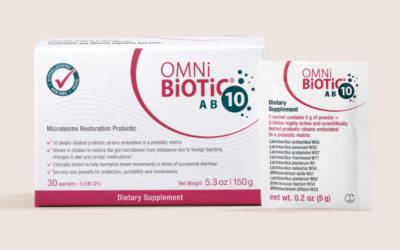
Co-Prescribing Probiotics with Antibiotics: The Case for Omni-Biotic AB 10
Omni-Biotic Human clinical trials demonstrate that functionally targeted Omni-Biotic AB 10 prevents diarrhea, reduces C. difficile risk, and eliminates multidrug resistant organism colonization in the gut. Introduction Antibiotics are among the most...

Quantum Energy Effects on Cell Recovery Rates
Robert Sheaff, PhD, and Ian Mitchell This study investigated whether quantum field exposure generated by Leela Quantum Bloc Technology influences cell recovery rates in human cell lines. A series of double-blind experiments were conducted using Human Dermal...
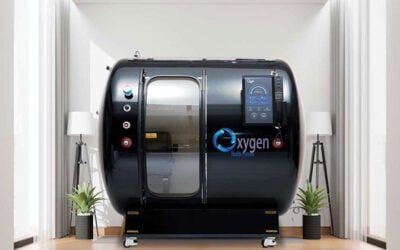
Hyperbaric Oxygen Therapy in Sports Medicine: Clinical Applications in Concussion and Musculoskeletal Injury
Joseph Thomas, MD, MBA, Fellow of Metabolic and Nutritional Medicine In collaboration with Oxygen Health Systems Abstract Hyperbaric oxygen therapy has gained traction as an adjunct in sports medicine, particularly in concussion management and musculoskeletal injury....
Featured News

ClarityTx Launches Clinical Decision-Support Platform for Integrative Medicine
ClarityTx, a healthcare technology company, announced the launch of its clinical decision-support platform designed specifically for integrative and functional medicine practitioners. Created by a multidisciplinary team of clinicians, the platform helps practitioners...
Naturopathic Medical Education: A Comprehensive Curriculum
Colleen Huber, NMD April 9 2026 The following is a comparison of my conventional medical education and subsequent naturopathic medical education. I wrote this in 2015, and now update it in April 2026, only with updated curriculum links and screenshots from the various...
Never Miss An Issue
