

A...
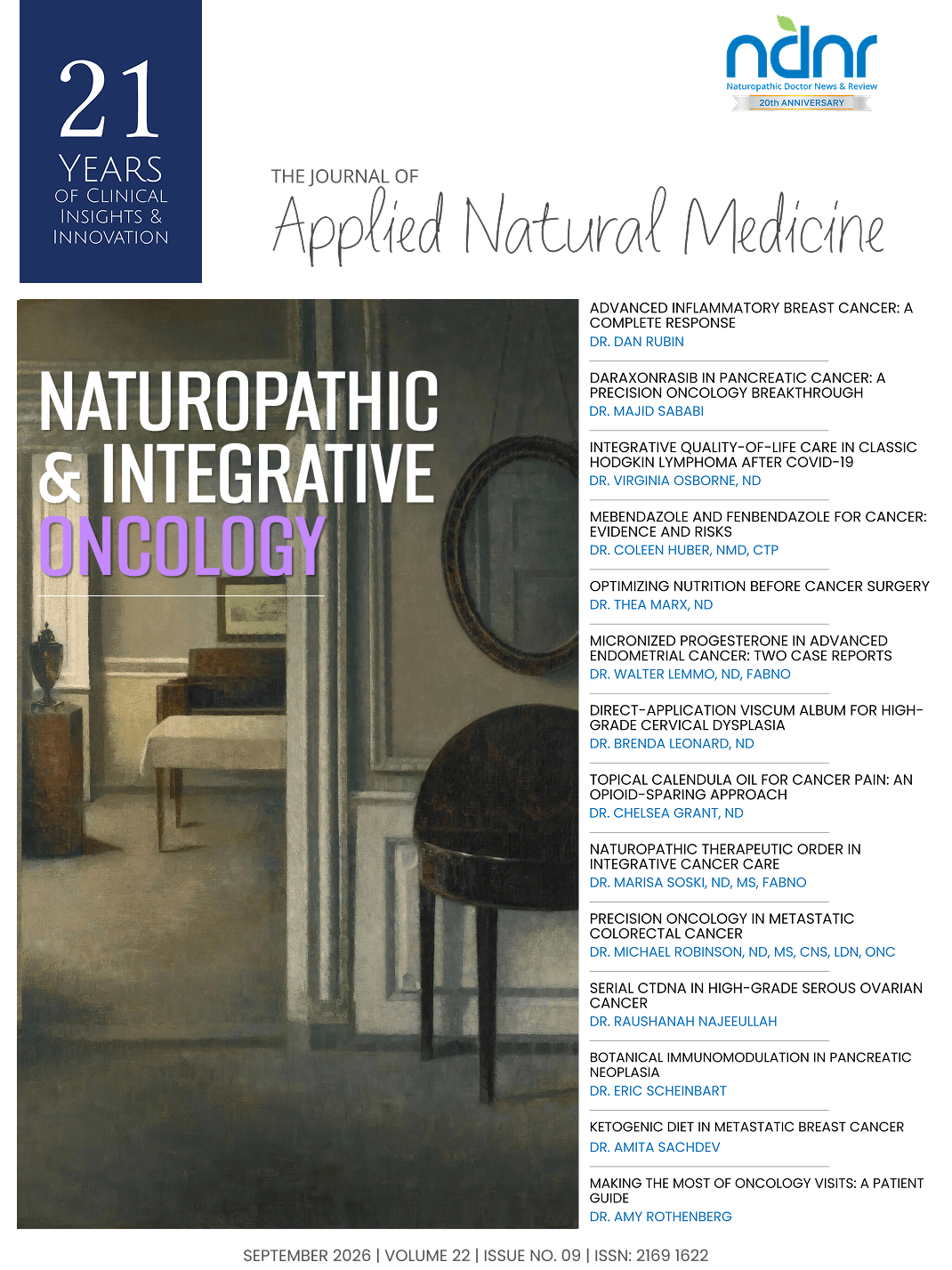
Chemotherapy-Induced Peripheral Neuropathy: An Evidence-Based Guide for Naturopathic Physicians
read more

A first-in-class NaV1.8 inhibitor offers a targeted approach to acute pain without engaging central opioid receptors, opening new possibilities for non-opioid prescribing and integrative pain management.
Suzetrigine is a first-in-class, non-opioid analgesic¹ that selectively inhibits the voltage gated sodium channel NaV1.8, a critical mediator of peripheral nociceptive transmission. Approved in 2025 for the treatment of moderate to severe acute pain, suzetrigine represents a significant shift in pain pharmacology by targeting peripheral pain pathways without engaging central opioid receptors. This review examines its mechanism of action, pharmacokinetics, clinical efficacy, and safety profile, while exploring its role within integrative and naturopathic approaches to pain management. The emergence of suzetrigine supports a broader clinical movement toward reducing opioid reliance and highlights the evolving role of naturopathic physicians in responsible pharmacologic prescribing.
Pain management remains a persistent clinical challenge, compounded by the ongoing opioid crisis. Opioid analgesics, while effective, are associated with significant risks including dependence, overdose, and long-term dysregulation of pain pathways. As a result, there is increasing emphasis on identifying effective non-opioid alternatives.
Suzetrigine represents a novel advancement in this context. By selectively targeting NaV1.8 sodium channel²s located on peripheral nociceptors, it interrupts pain signaling before it reaches the central nervous system. This peripheral mechanism distinguishes it from traditional analgesics and offers a promising strategy for reducing opioid exposure.
For naturopathic physicians, the emergence of such therapies aligns with a core clinical objective: to minimize harm while optimizing patient outcomes. The ability to prescribe targeted, non-addictive pharmacologic agents strengthens the role of naturopathic medicine in addressing complex conditions such as acute pain while helping curb inappropriate opioid use.⁴
Suzetrigine selectively inhibits the NaV1.8 voltage-gated sodium channel, which is predominantly expressed in peripheral sensory neurons, particularly nociceptors. NaV1.8 plays a central role in the initiation and propagation of action potentials in response to noxious stimuli. By blocking this channel, suzetrigine reduces neuronal excitability and dampens pain signal transmission at its origin. Importantly, NaV1.8 is not significantly expressed in cardiac or central nervous system tissues, which contributes to a favorable safety profile compared to less selective sodium channel inhibitors. This mechanism allows for analgesia without sedation, respiratory depression, or reward pathway activation—key limitations of opioid-based therapies.
Suzetrigine is orally administered and demonstrates adequate bioavailability. It undergoes hepatic metabolism, with elimination primarily via renal pathways. The drug exhibits a pharmacokinetic profile suitable for acute pain management, with a duration of action that supports scheduled dosing. Pharmacodynamically, its selective action on NaV1.8 results in targeted analgesia without widespread neuronal suppression. This selectivity underpins both its efficacy and improved tolerability.
“Rather than replacing foundational therapies, it may serve as a bridge—providing symptom relief while deeper healing strategies are implemented.”
Clinical trials evaluating suzetrigine in acute pain models have demonstrated statistically significant reductions in pain intensity compared to placebo. These studies suggest efficacy comparable to commonly used analgesics, without the risks associated with opioid therapy. Patients receiving suzetrigine reported meaningful improvements in pain control, supporting its potential as a frontline option in appropriate clinical scenarios.³
Suzetrigine is generally well tolerated. Reported adverse effects are mild and may include gastrointestinal discomfort and headache. Importantly, there is no evidence of respiratory depression, sedation, or addictive potential. Its lack of central nervous system penetration reduces the risk of cognitive impairment and dependence, positioning it as a safer alternative to opioids.
The introduction of suzetrigine has meaningful implications for pain management. It offers clinicians a mechanism-based alternative that addresses pain at its source without contributing to the cycle of opioid dependence. For naturopathic physicians, this aligns directly with the principle of ‘first, do no harm.’ The ability to prescribe non-opioid analgesics expands treatment options while maintaining a commitment to minimizing iatrogenic risk. Incorporating suzetrigine into practice may help reduce opioid prescriptions, particularly in acute care settings, thereby contributing to broader public health efforts to address opioid overuse.
Naturopathic medicine emphasizes a multimodal approach to pain, incorporating lifestyle, nutritional, and physical therapies. Suzetrigine can be integrated into this framework as a targeted pharmacologic tool when clinically indicated. Rather than replacing foundational therapies, it may serve as a bridge—providing symptom relief while deeper healing strategies are implemented. Its non-addictive profile makes it particularly suitable for patients at risk of opioid misuse. From a professional standpoint, the availability of such medications strengthens the argument for naturopathic prescribing authority. By utilizing safer pharmacologic options, naturopathic physicians can actively contribute to reversing trends in opioid overprescription.
Suzetrigine represents a significant advancement in pain pharmacology. Its selective inhibition of NaV1.8 channels provides effective analgesia without the risks associated with opioid therapy. As the healthcare system continues to grapple with opioid-related harms, the emergence of targeted, non-addictive treatments is both timely and necessary. For naturopathic physicians, suzetrigine offers an opportunity to align pharmacologic intervention with core principles of safety and holistic care. Its integration into clinical practice may help redefine the role of prescription authority within naturopathic medicine and support a shift toward more responsible pain management.