

A...
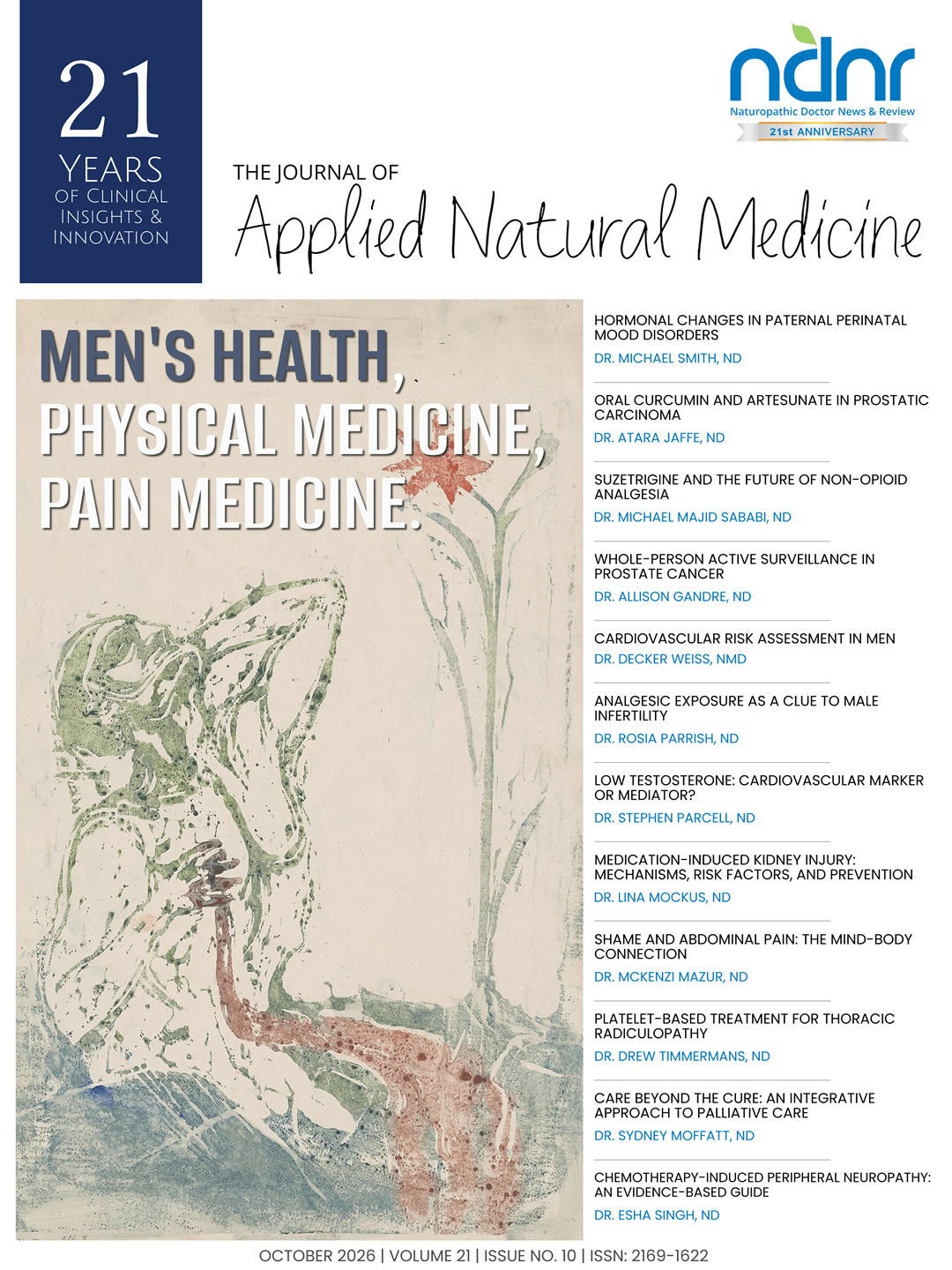
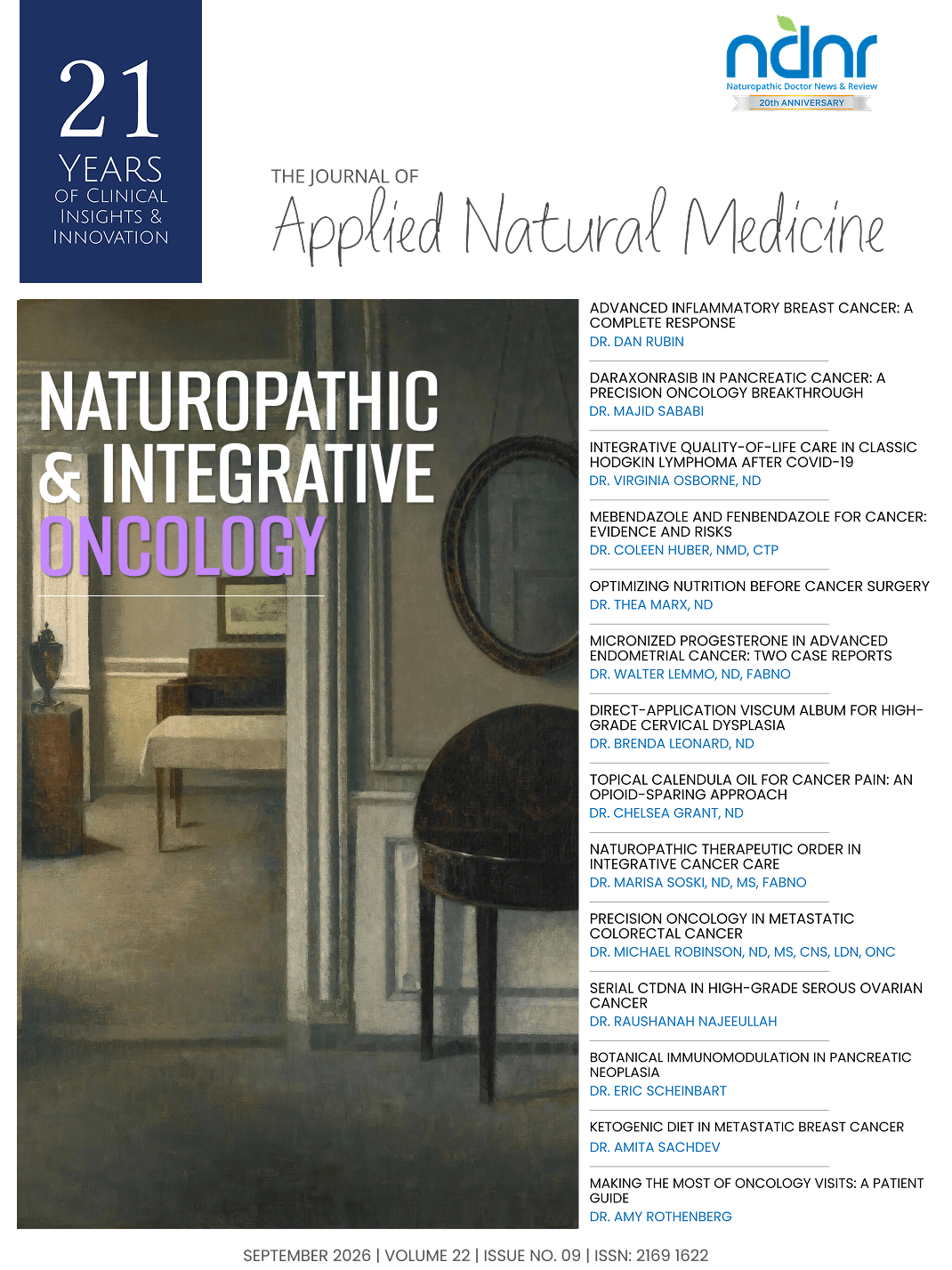
Chemotherapy-Induced Peripheral Neuropathy: An Evidence-Based Guide for Naturopathic Physicians
read more
A recent article, published in Menopause journal, has discovered that both early and late menopause, can lead to an increased risk of developing Type 2 Diabetes.
Researchers examined data from over 124,000 women as part of the Women’s Health Initiative. Researchers were interested in evaluating the association between menopause, and the risk of developing Type 2 Diabetes. Blood sugar regulation can be affected by changing estrogen levels, and post-menopausal women experience a decrease in estrogen levels. This decrease in estrogen has also been linked to an increase in body fat, a decrease in metabolism, and higher-blood sugar levels. Early menopause has previously been linked to an increase in the risk of Type 2 Diabetes, however less research has demonstrated that late menopause can have the same associated risks.
Data showed the average age of menopause was defined as 51 years of age. Results demonstrated that women who experienced menopause before age 46, or after age 55 were more likely to develop Type 2 Diabetes. Those who experienced early menopause were 25 percent more likely, and those who experienced late menopause were at a 12 percent increased risk.
This study suggests that the optimal range for menopause is between the ages of 46 to 55, when considering Type 2 Diabetes risk. More investigation needs to be done into the mechanisms of why late menopause also puts women at risk for the development of Type 2 Diabetes.
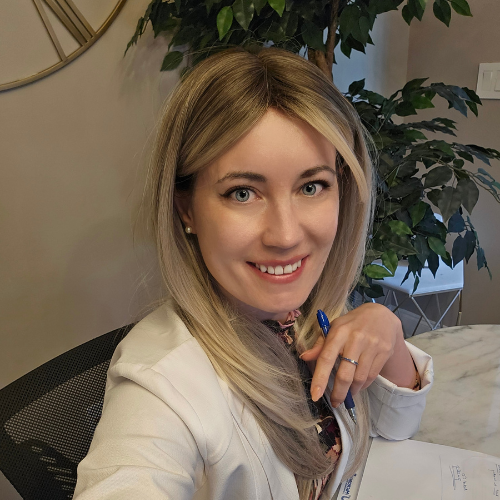
Dr. Allison Galan is a licensed ND practicing in Calgary. She has a passion for empowering her patients to be their own catalyst for change, while supporting them in their health and wellness goals. She believes whole-heartedly in the mind-body connection, which is an integral component of her practice.
Allison graduated from the Canadian College of Naturopathic Medicine, and also holds a Bachelor of Science in Kinesiology. This strong background in sport science, has allowed her to incorporate sports medicine into her integrated naturopathic practice.