

A...
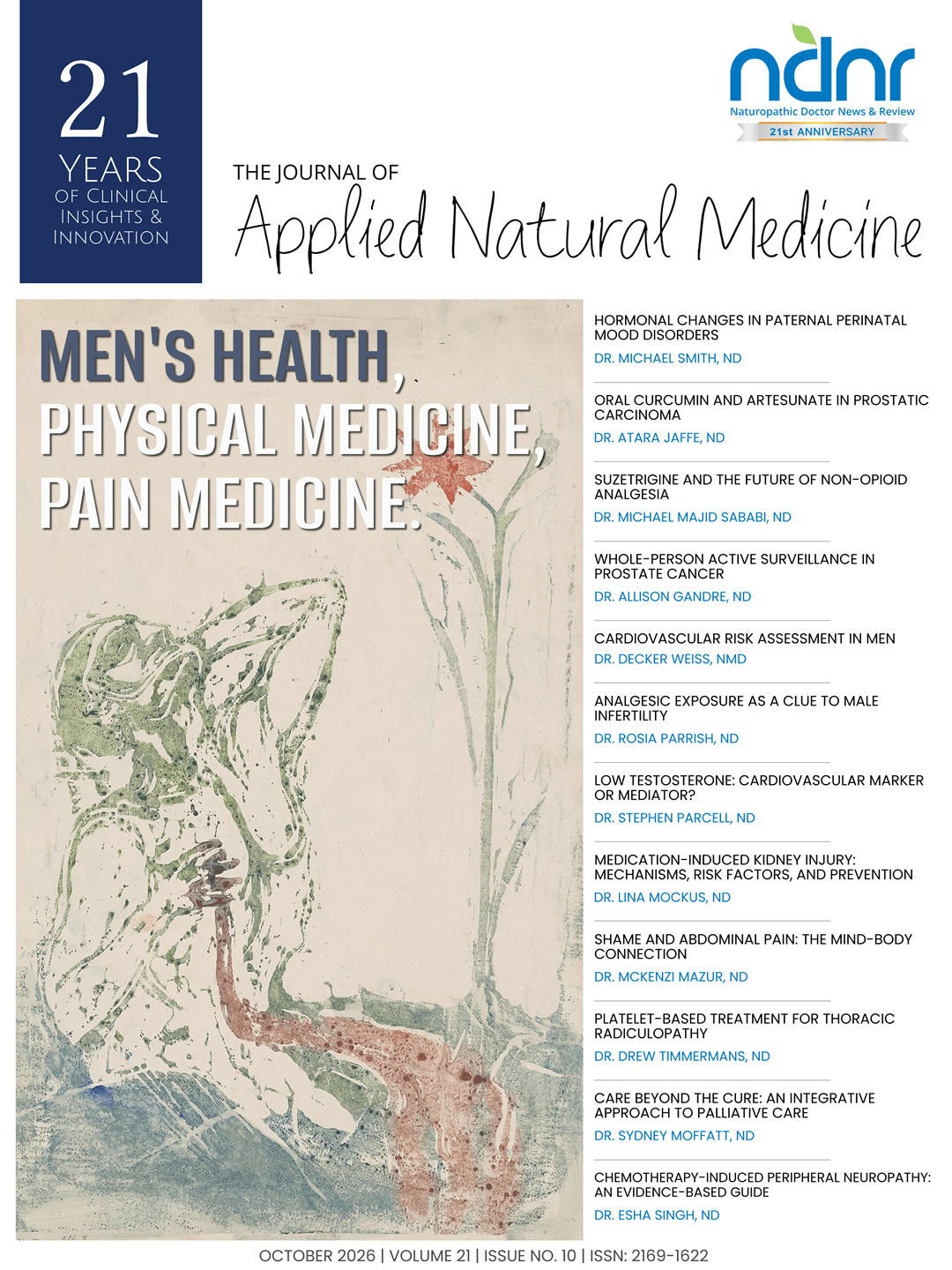
Chemotherapy-Induced Peripheral Neuropathy: An Evidence-Based Guide for Naturopathic Physicians
read more
A recent study conducted in the United Kingdom, looked to shed some light on the factors which contribute to the increase childhood eating disorder prevalence(1). They found three overarching factors which are strongly associated with developing an eating disorder in adolescence: body dissatisfaction, depression (only in girls), and previous eating disorder symptoms. Of these three factors, catching an eating disorder as early as possible seems to be the most impactful insight. The research found that at age 9 found 1.64 per 100,000 children display eating disorders, whereas by age 12 that number has increased almost 10 fold to 9.5 per 100,000.
The team at Newcastle University, led by Dr. Elizabeth Evans, say striving to spot eating disorders in children as young as nine years old will allow for intervention earlier and prevention of life-threatening illnesses. The most common age of admission to a hospital for an eating disorder is 15.
The other two factors explored in this research, depression and body image dissatisfaction illuminate possible lines of questioning, and avenues through which to screen for eating disorders. But once they are suspected, what should parents and physicians do?
Disordered eating in children often starts with distorted messages that children get about food and body image both at home and in the media. We can’t control everything our children see, but we can be good role models at home. One simple step as a parent – you are the steward of self-love. Do you lead by example and show your kids what it looks like to love your body unconditionally and use food to nurture it? Stay aware of your own emotions around food and negative self-talk – and try to set good examples that empower our kids to love themselves, without boundaries.
Addressing family values surrounding food, eating, and body image are certainly a foundational component to this question. Understanding that when treating children for any type of mental health condition, education is the most important aspect of treatment. Unlike adults, a child is learning and shaping their identity for the first time, this can be detrimental, but also an asset to treatment, as their neuro-malleability is easier to influence.
References:
1. Elizabeth H. Evans et al, Risk factors for eating disorder symptoms at 12 years of age: A 6-year longitudinal cohort study. Appetite. 2017 Jan 1;108:12-20. doi: 10.1016/j.appet.2016.09.005. Epub 2016 Sep 6.
2. Mindful Eating (NDNR)
 Node Smith, associate editor for NDNR, is a fifth year naturopathic medical student at NUNM, where he has been instrumental in maintaining a firm connection to the philosophy and heritage of naturopathic medicine amongst the next generation of docs. He helped found the first multi-generational experiential retreat, which brings elders, alumni, and students together for a weekend campout where naturopathic medicine and medical philosophy are experienced in nature. Three years ago he helped found the non-profit, Association for Naturopathic ReVitalization (ANR), for which he serves as the board chairman. ANR has a mission to inspire health practitioners to embody the naturopathic principles through experiential education. Node also has a firm belief that the next era of naturopathic medicine will see a resurgence of in-patient facilities which use fasting, earthing, hydrotherapy and homeopathy to bring people back from chronic diseases of modern living; he is involved in numerous conversations and projects to bring about this vision.