

A...
Chemotherapy-Induced Peripheral Neuropathy: An Evidence-Based Guide for Naturopathic Physicians
read more
A team of researchers at the University of Illinois at Chicago in collaboration with the University of Michigan and Sage Bionetworks recently won the Mood Challenge for ResearchKit, for developing an app that will help predict when individuals with bipolar disorder are likely to experience either a depressive or manic episode.1 BiAffect, unobtrusively analyzes mobile device usage, such as keystroke speed, to predict manic and depressive episodes.
The end goal of the BiAffect project is to serve as a sort of “fitness-tracker” for the brain. The finished product may be useful for all sorts of neurocognitive evaluation and monitoring, including Parkinson’s and Alzheimer’s Disease. It may also offer a resource for evaluating the efficacy of mental health treatments. The team was awarded a $200,000 grand prize, which will help further develop the app, in order to bring it to market soon.
“During a manic episode, people with bipolar disorder exhibit some common behaviors, such as talking really, really fast, with diminished self-control and flight of ideas,” Leow, the team’s lead researcher explains. “It is thus natural that they also exhibit similar abnormalities in non-verbal communications that are typed on their phones.” Since spell-check requires a texter to pause and evaluate the error before continuing, or simply typing over the autocorrected word, it becomes easy to see differing trends in text generation. For instance, during a manic episode it is more likely to see a trend of disregarding spell-check suggestions, while during a depressive episode, texts may be short and sparse, compared to a general baseline.
Using a smartphone interface which unobtrusively monitors phone use in this way, may turn out to be a very cost effective way to help prevent relapses in bipolar individuals.
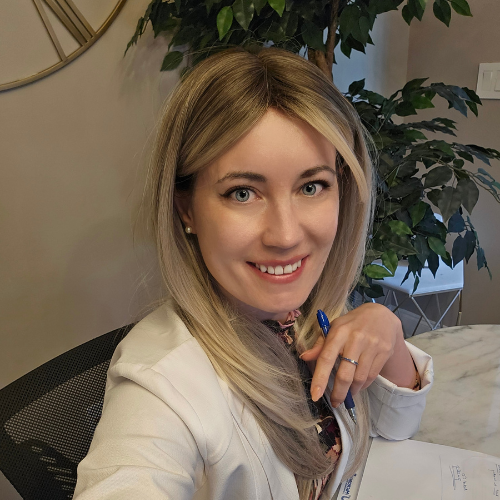
 Node Smith, associate editor for NDNR, is a fifth year naturopathic medical student at NUNM, where he has been instrumental in maintaining a firm connection to the philosophy and heritage of naturopathic medicine amongst the next generation of docs. He helped found the first multi-generational experiential retreat, which brings elders, alumni, and students together for a weekend campout where naturopathic medicine and medical philosophy are experienced in nature. Three years ago he helped found the non-profit, Association for Naturopathic ReVitalization (ANR), for which he serves as the board chairman. ANR has a mission to inspire health practitioners to embody the naturopathic principles through experiential education. Node also has a firm belief that the next era of naturopathic medicine will see a resurgence of in-patient facilities which use fasting, earthing, hydrotherapy and homeopathy to bring people back from chronic diseases of modern living; he is involved in numerous conversations and projects to bring about this vision.