

A...
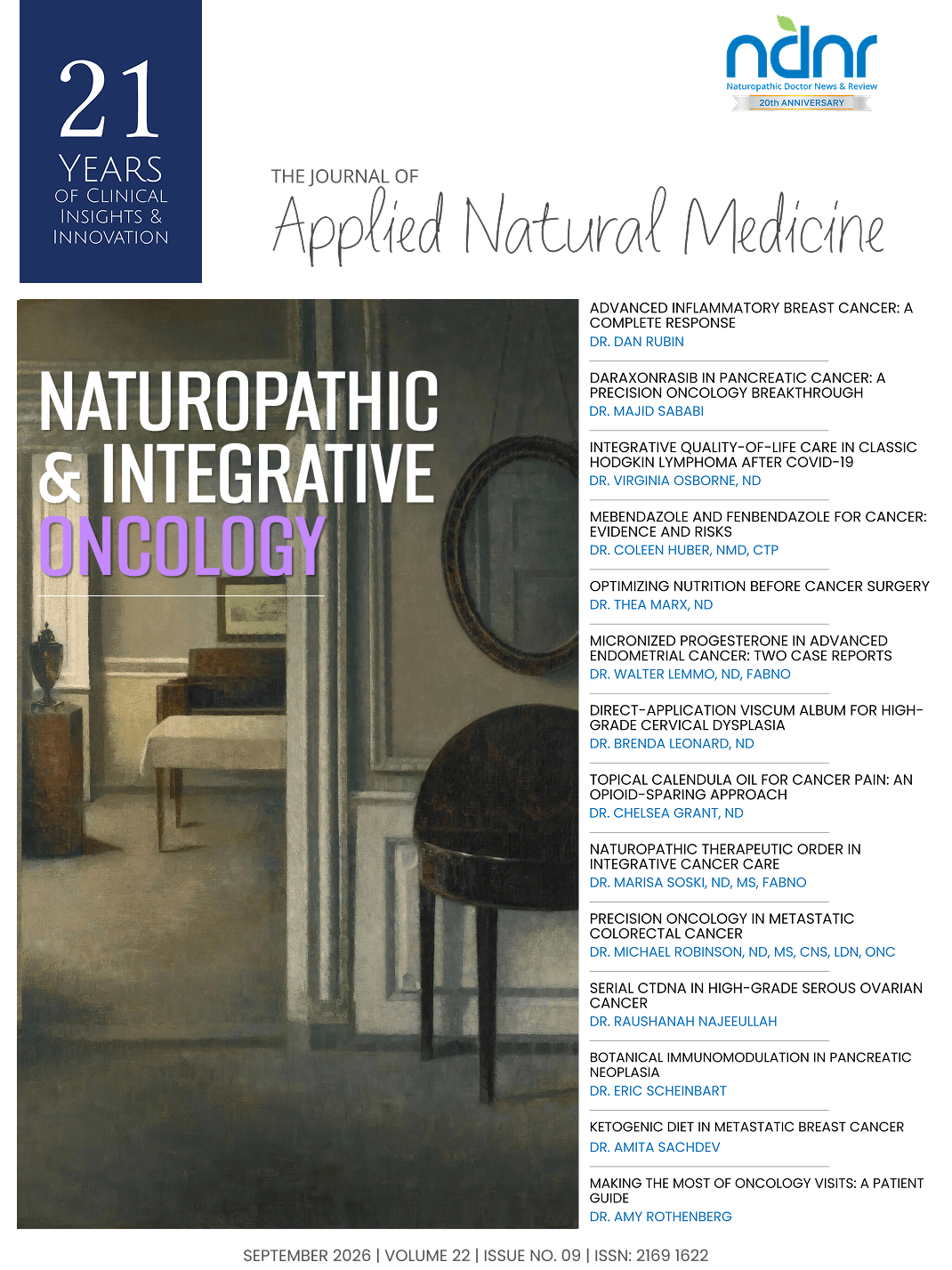
Chemotherapy-Induced Peripheral Neuropathy: An Evidence-Based Guide for Naturopathic Physicians
read more
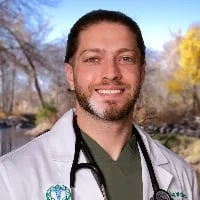
NODE SMITH, ND
Among individuals who survive a trauma that resulted in the loss of a close friend or loved one, symptoms of post-traumatic stress disorder can predict complicated grief — a sense of persistent sadness and an inability to cope — years after the trauma, according to research published by the American Psychological Association.
“Grief is a normal response to the loss of someone close, but traumatic losses may severely harm survivors for years,” said Kristin Alve Glad, PhD, a researcher at the Norwegian Centre for Violence and Traumatic Stress Studies and lead author of the study. “Our findings suggest that when treating trauma survivors, targeting symptoms of PTSD early might help them avoid complicated grief later on.”
For most people who experience grief, feelings of distress and bereavement tend to diminish over time, according to Glad. In the case of complicated grief, instead of fading, symptoms can often linger or worsen and can impair or prevent people from living their normal lives.
“Complicated grief has been defined as a persistent, intense yearning, longing and sadness, usually accompanied by insistent thoughts or images of the deceased and a sense of disbelief or an inability to accept the painful reality of the person’s death,” said Glad.
In the study, published in the journal Psychological Trauma: Theory, Research, Practice and Policy, researchers interviewed survivors of a 2011 domestic terrorist attack on Utøya, an island in Norway, who lost someone close to them in the attack. Of the 275 participants, 256 lost a close friend, six lost a family member and 13 lost a close friend and a family member/partner.
Participants took part in individual, face-to-face interviews with experienced health care personnel three times following the attack on Utøya: 4-5 months, 14-15 months and 30-32 months after the attack. The interviews included questions about the post-traumatic stress symptoms and complicated grief reactions (e.g., trouble accepting the death of their loved one, interference of grief in their daily life, troubling thoughts relating to death, avoidance of reminders of the loss and feelings of isolation or distance from others).
Researchers found that participants who reported symptoms of PTSD were significantly more likely to report symptoms of complicated grief as well. They also found that participants who experienced early symptoms of PTSD a year after the attack experienced even greater symptoms of complicated grief years later.
“The fact that we found that PTSD symptoms predicted complicated grief reactions at a subsequent time point, but complicated grief did not predict the development of PTSD, is interesting, because it suggests that targeting PTSD symptoms may hinder later development of complicated grief,” said Glad. “This may have important implications for clinicians working with bereaved trauma survivors.”
The researchers believe that the effects of the terrorist attack on the survivors were particularly severe because they did not just lose a loved one — they were directly exposed to the attack as well. This dual burden of the unexpected loss and the survivors’ high exposure to trauma may result in a different trajectory of PTSD symptoms and complicated grief than for bereaved who are not directly exposed to the trauma.
These findings could apply to anyone who has lost a loved one in a potentially traumatizing way, according to Glad. Knowledge about the relationship between symptoms of PTSD and complicated grief over time may help clinicians develop more effective treatment strategies and formulate better treatment plans for the survivors who struggle the most to cope, the researchers said.
1. Kristin A. Glad, Synne Stensland, Nikolai O. Czajkowski, Paul A. Boelen and Grete Dyb. The Longitudinal Association Between Symptoms of Posttraumatic Stress and Complicated Grief. A Random Intercepts Cross-Lag Analysis. Psychological Trauma: Theory, Research, Practice and Policy, 2021 DOI: 10.1037/tra0001087

Node Smith, ND is a naturopathic physician in Humboldt, Saskatchewan and associate editor and continuing education director for NDNR. His mission is serving relationships that support the process of transformation, and that ultimately lead to healthier people, businesses and communities. His primary therapeutic tools include counselling, homeopathy, diet and the use of cold water combined with exercise. Node considers health to be a reflection of the relationships a person or a business has with themselves, with God and with those around them. In order to cure disease and to heal, these relationships must be specifically considered. Node has worked intimately with many groups and organizations within the naturopathic profession, and helped found the non-profit, Association for Naturopathic Revitalization (ANR), which works to promote and facilitate experiential education in vitalism.