

A...
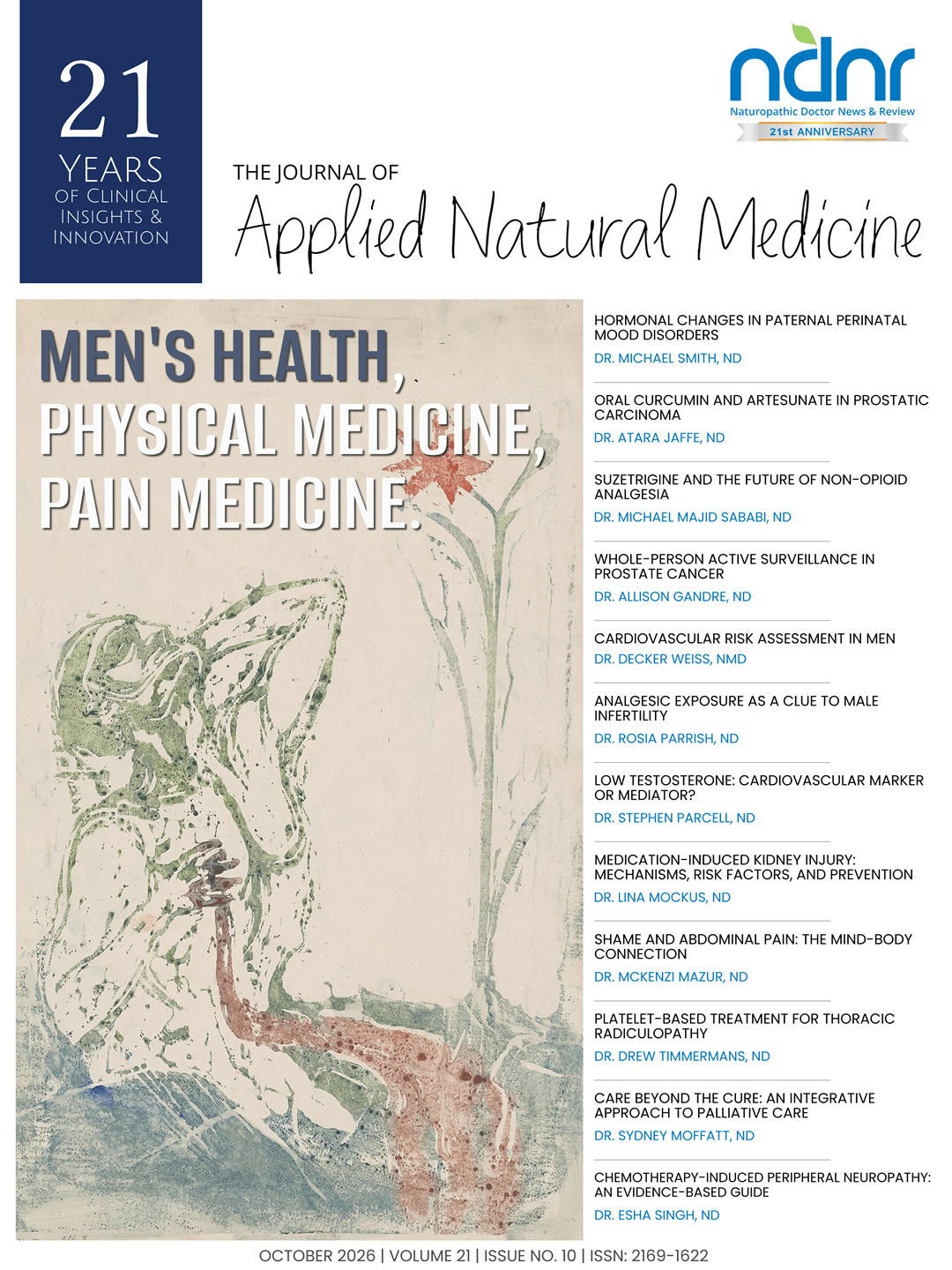
Chemotherapy-Induced Peripheral Neuropathy: An Evidence-Based Guide for Naturopathic Physicians
read more
Edited By NODE SMITH, ND
From Elsevier- Why are some individuals able to use recreational drugs in a controlled way, whereas others switch to the compulsive, relapsing drug-seeking and -taking habits that characterize substance use disorder (SUD)? Despite more than six decades of extensive research, the question remains unanswered, hampering the development of targeted prevention and therapeutic strategies. Now, a new study in rats identifies the maladaptive nature of drug-seeking habits and how they contribute to the perpetuation of addiction by promoting the tendency to relapse. The study appears in Biological Psychiatry, published by Elsevier.
Given the importance of the drug itself in the development and perpetuation of SUD, the research community has understandably focused on the brain’s adaptations in response to exposure to addictive drugs, such as cocaine, leading to a better understanding of the mechanisms underlying the consumption of these drugs. But people with SUD do not just take addictive drugs, they spend a great deal of time foraging for these drugs over long periods of time. During drug foraging, many compulsive behaviors characteristic of SUD manifest themselves, particularly during episodes of relapse to drug-seeking following periods of forced abstinence.
“Therefore,” says David Belin, PhD, the study’s senior author, “we found it important to consider the psychological and neural mechanisms of the tendency to inflexibly engage in drug-seeking behaviors, which may reflect the development of maladaptive drug-seeking habits.”
In rats, drug foraging over long periods is maintained and invigorated by drug-paired cues, much like in people. In both rats and people, engagement in foraging behavior becomes satisfying in its own right.
“When they are prevented from enacting their drug-seeking behavior, in conditions for instance like incarceration in humans, individuals experience the building of internal distress that results in explosive behavior at relapse, which is mediated by so-called ‘negative urgency,'” says Dr. Belin. “Notably, this study demonstrates that development of ‘incentive habits’ enables the recruitment of flexible, goal-directed behaviors at relapse” — namely, the relief-inducing fulfilment of the drug-seeking habit, rather than the drug itself. That negative emotional urgency represents a risk factor for relapse and continued SUD.
The study bolsters support for the idea that drug addiction is a psychiatric disorder, and it identifies the development of ingrained habits as a key psychological process that contributes to the perpetuation of drug-seeking behavior and relapse.
John Krystal, MD, editor of Biological Psychiatry, said of the work, “There has been a historic focus on negative emotional states as a trigger for relapse to substance use. Most of the focus on negative emotions has been directed to comorbid anxiety and mood disorders. Here, the authors point to negative emotional urgency related to the inability to execute the habit as an important new risk mechanism.”
1. Maxime Fouyssac, Yolanda Peña-Oliver, Mickaёl Puaud, Nicole T.Y. Lim, Chiara Giuliano, Barry J. Everitt, David Belin. Negative Urgency Exacerbates Relapse to Cocaine Seeking After Abstinence. Biological Psychiatry, 2021; DOI: 10.1016/j.biopsych.2021.10.009

Node Smith, ND is a naturopathic physician in Humboldt, Saskatchewan and associate editor and continuing education director for NDNR. His mission is serving relationships that support the process of transformation, and that ultimately lead to healthier people, businesses and communities. His primary therapeutic tools include counselling, homeopathy, diet and the use of cold water combined with exercise. Node considers health to be a reflection of the relationships a person or a business has with themselves, with God and with those around them. In order to cure disease and to heal, these relationships must be specifically considered. Node has worked intimately with many groups and organizations within the naturopathic profession, and helped found the non-profit, Association for Naturopathic Revitalization (ANR), which works to promote and facilitate experiential education in vitalism.