Depressed Fathers Raise Behavioral and Social Risk in School-Aged Children Children whose fathers had depression at age 5 were up to 37% more likely to develop hyperactivity, oppositional behaviors, and ADHD symptoms by age 9, based on teacher reports. These children...
Trending Articles
Therapeutic Order: Navigating an Ever-Increasing Toxic World
Healing Chronic Illness through Environmental Medicine By Kim Furtado, N.D. Exposure to heavy metals, persistent organic pollutants, and other chemicals is rising, with no clear end in sight. The identification of novel forever chemicals, contamination of everyday...
Allergies, Asthma & Eczema: Pediatric Treatment of the Atopic Triad
Autumn Frandsen, ND Abstract The atopic triad—eczema, asthma, and allergies—frequently presents early in pediatric patients and often shares overlapping immune dysfunction and environmental triggers. In this clinical review, Dr. Autumn Frandsen explores the...
Inflammation During Pregnancy Alters Brain Development: A Groundbreaking Study
Inflammatory Response During Pregnancy Creates Permanent Brain Structure Changes Inflammation during pregnancy reduces vital brain immune cells by 70% in developing babies, creating permanent changes to brain structure visible on MRI scans. This groundbreaking finding...
New Study Links Smartphone Attention to Reduced Body Awareness
Research finds smartphone stimuli trigger heart rate changes and diminish the ability to sense internal bodily signals A recent study published in Communications Psychology has uncovered concerning links between smartphones and our internal bodily awareness. Our...
Featured Article | Education
Gold Standard or Double Standard?
Sean Elizabeth Jackson, BA (Hons) Jason Marr, BSc (Hons), ND Student Scholarship – 2nd Place Research Review Evidence-Based Healthcare in Medical Malpractice When evidence-based medicine (EBM), now known as evidence-based healthcare (EBHC), was first introduced in...
Exclusive Content | Education
No Results Found
The page you requested could not be found. Try refining your search, or use the navigation above to locate the post.
Archived Case Studies and Featured Content
TMW® Longevity: Creating a new generation of nutraceuticals
GetHealthy is excited to introduce TMW® Longevity to the GetHealthy platform. TMW® (tomorrow) is leading the new generation of nutraceuticals that promise premium, scientifically curated ingredients and doses with maximum bioavailability. TMW’s first product,...
Reams’ Analysis in Practice: A Bio-Electric Framework for Naturopathic Assessment
Darrell Misak, ND Every practitioner navigates through a range of plausible explanations of disease presentations to develop a rational assessment and supportive protocol aimed at achieving positive clinical outcomes. What if a basic analytical assessment could...
Tauroursodeoxycholic Acid (TUDCA) And Protective Role Against Neurodegeneration
By Devin Miles, ND and Elizabeth Sutherland, ND Emerging research highlights TUDCA’s potential to reduce neuroinflammation, prevent cell death, and mitigate the effects of metabolic dysfunction in neurodegenerative diseases such as Alzheimer’s, Parkinson’s, and...
The Breath of Life: Mastering the Art of Conscious Breathing
Jennifer Ruthensteiner, ND Breath sustains life, yet in today’s fast-paced world, it often becomes a neglected tool. Ancient traditions revered breath as the essence of life, linking body, mind, and spirit. Modern life, however, fosters shallow breathing patterns that...
Just the Right Amount of Screen Time for Teens
From Trinity College Dublin New research from the Department of Sociology in Trinity College Dublin has found further evidence of a relationship between online engagement and mental wellbeing in teenagers. The study, published recently in the journal 'Computers in...
Coffee May Help Prevent Acute Kidney Injury
From Johns Hopkins Medicine If you need another reason to start the day drinking a cup of joe, a recent study by Johns Hopkins Medicine researchers has revealed that consuming at least one cup of coffee a day may reduce the risk of acute kidney injury (AKI) when...
Does Social Media Induce a ‘Dissociative State?
From University of Washington Sometimes when we are reading a good book, it's like we are transported into another world and we stop paying attention to what's around us. Researchers at the University of Washington wondered if people enter a similar state of...
Reducing TV Could Prevent Heart Disease
From University of Cambridge Watching too much TV is associated with increased risk of coronary heart disease regardless of an individual's genetic makeup, say a team of scientists at the Medical Research Council (MRC) Epidemiology Unit, University of Cambridge and...
C. Albicans May Serve a Commensal Purpose
From Cincinnati Children's Hospital Medical Center For many years after discovering a diverse population of sometimes dangerous microbes constantly living in our intestines, scientists described the situation as a form of living with the enemy. But when it comes to...
Gene Links Stress Response and Learning Disabilities
From Duke University A gene that has been associated with severe learning disabilities in humans has been found to also play a vital role in cells' response to environmental stress, according to a Duke University study appearing May 24 in the journal Cell Reports....
Exposure to Novel Information Could Promote Interest in Learning
From Ohio State University Long before they enter a classroom, people learn to identify commonplace objects like a "dog" and a "chair" just by encountering them in everyday life, with no intent to learn about what they are. A new study is one of the first to provide...
Dysfunctional Breathing Patterns in Athletes
From Ritsumeikan University Breathing patterns are an important indicator of an individual's health. A healthy individual breathes naturally using primary respiratory muscles (e.g., diaphragm muscle) that produce a rhythmic observable movement of the upper rib cage,...
Ketamine as a Rapid Antidepressant
From Northwestern University Ketamine is the speedster of antidepressants, working within hours compared to more common antidepressants that can take several weeks. But ketamine can only be given for a limited amount of time because of its many side effects. Now, a...
Homeopathy Kisses Warts Goodbye: A Gentle Alternative to Conventional Wart Treatments
SHARUM SHARIF, ND My primary care naturopathic practice has a focus on natural dermatology. I utilize a variety of naturopathic therapeutics to address skin diseases of all types, including warts, but my primary tool is homeopathy. I have successfully treated a...
Gene Links Stress Response and Learning Disabilities
From Duke University A gene that has been associated with severe learning disabilities in humans has been found to also play a vital role in cells' response to environmental stress, according to a Duke University study appearing May 24 in the journal Cell Reports....
Exposure to Novel Information Could Promote Interest in Learning
From Ohio State University Long before they enter a classroom, people learn to identify commonplace objects like a "dog" and a "chair" just by encountering them in everyday life, with no intent to learn about what they are. A new study is one of the first to provide...
Dysfunctional Breathing Patterns in Athletes
From Ritsumeikan University Breathing patterns are an important indicator of an individual's health. A healthy individual breathes naturally using primary respiratory muscles (e.g., diaphragm muscle) that produce a rhythmic observable movement of the upper rib cage,...
Ketamine as a Rapid Antidepressant
From Northwestern University Ketamine is the speedster of antidepressants, working within hours compared to more common antidepressants that can take several weeks. But ketamine can only be given for a limited amount of time because of its many side effects. Now, a...
Homeopathy Kisses Warts Goodbye: A Gentle Alternative to Conventional Wart Treatments
SHARUM SHARIF, ND My primary care naturopathic practice has a focus on natural dermatology. I utilize a variety of naturopathic therapeutics to address skin diseases of all types, including warts, but my primary tool is homeopathy. I have successfully treated a...
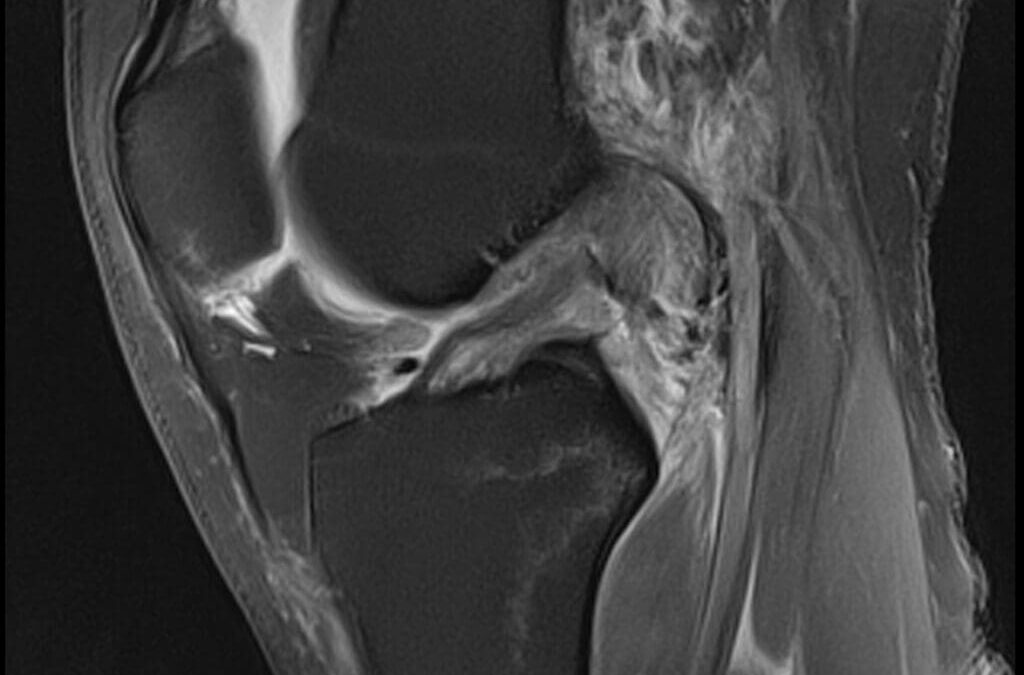
Regeneration and Osteoarthritis: Addressing Joint Health Over Time
SAMUEL G OLTMAN, ND Human beings are not fragile collectibles that must be kept on the shelf in mothballs to be preserved in pristine condition. We are regenerative beings. Human beings respond to stress with strength given the proper conditions. This is the...
Why I Became a Naturopathic Doctor
Jenna Henderson, N.D. Like most naturopathic doctors, I was drawn to alternatives when I reached the limits of mainstream medicine. In my situation it was extreme, I was already in kidney failure when I enrolled in naturopathic college. By that time, I had seen the...
Can We Slow Aging in Patients? Autophagy, Mitophagy, Genetics & Epigenetics
CHRIS D. MELETIS, ND Aging – or more specifically, how to slow it down – is a topic that has fascinated scientists, doctors, and the general population for thousands of years. Yet despite our advancements in medicine and science, we still don’t know for sure...
Orthobiologics and Epicondylosis: Tendon Healing Using Microfragmented Adipose Tissue and PRP
TERRANCE MANNING II, ND, RMSK A 53-year-old male presented to the clinic with persistent right lateral elbow pain. The pain onset was insidious, yet this patient had had recurrent symptoms for several years; the most recent episode started 8 months before this...
The Death of the Live Lecture? Didactic Education: From the Flexner Report to COVID-19
FRASER SMITH, MATD, ND As I contemplated a title for this month’s column, I thought of a prototypical fake headline such as “News Flash: Naturopathic medical students prefer actual human contact to listening to screencasts!” That’s not much of a revelation....
Custom Publishing
No Results Found
The page you requested could not be found. Try refining your search, or use the navigation above to locate the post.
Featured News
Green Tea May Reduce Brain Lesions Associated with Dementia and Cognitive Decline
Study Links Green Tea to a 3–6% Reduction in Brain Lesions A recent study found that drinking three to five cups of green tea daily is associated with a significant reduction in cerebral white matter lesions (WMLs), which are early markers of cognitive decline,...
FDA Proposes Front-of-Package Nutrition Labels to Combat Chronic Disease
New Labels to Highlight Saturated Fat, Sodium, and Added Sugars The U.S. Food and Drug Administration (FDA) has proposed a new front-of-package (FOP) nutrition label for most packaged foods, aiming to provide consumers with clear, at-a-glance information about the...