

A...
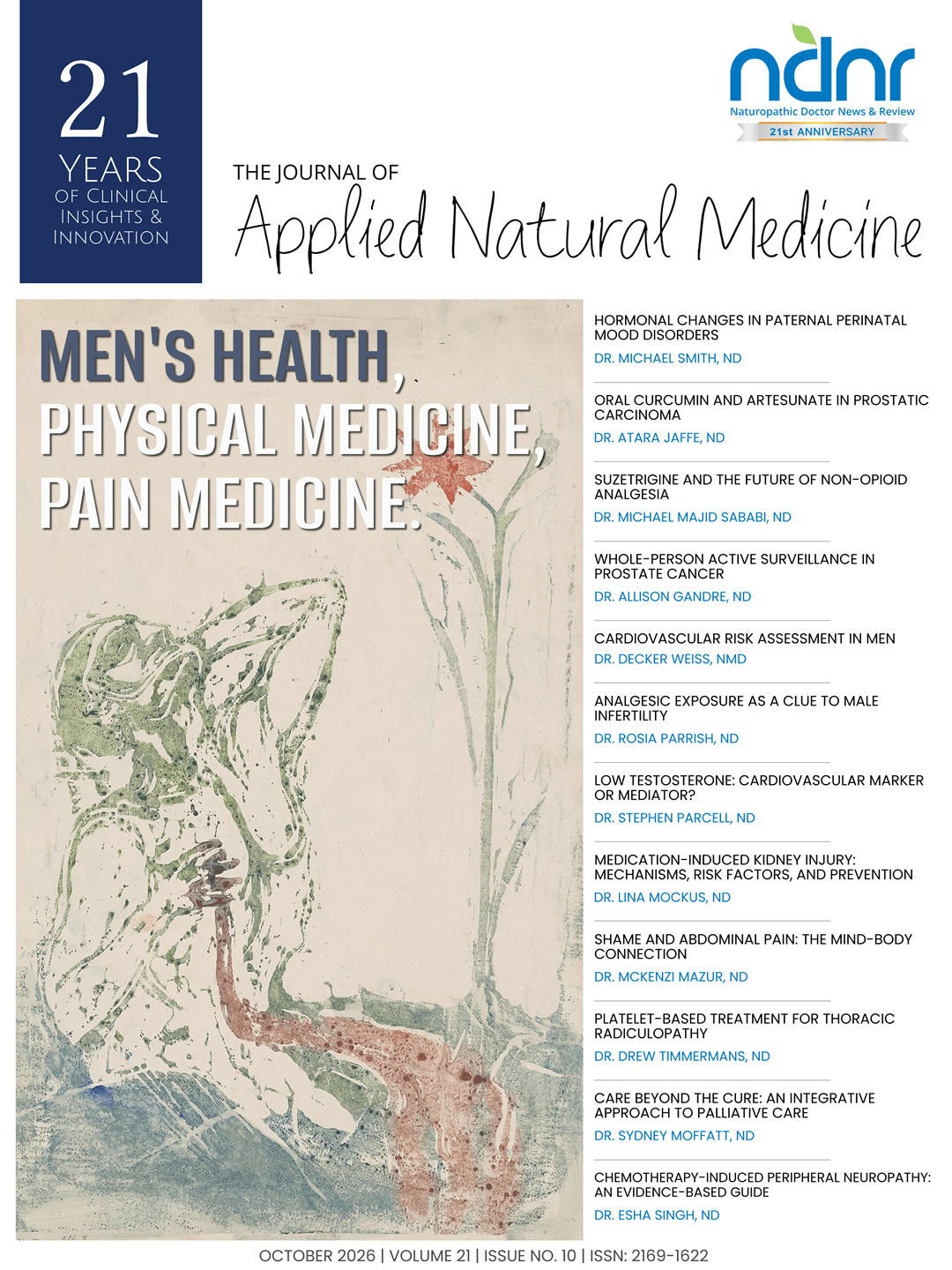
Chemotherapy-Induced Peripheral Neuropathy: An Evidence-Based Guide for Naturopathic Physicians
read more
Key Findings:
Researchers conducted an online experiment with 432 participants aged 13-17, presenting them with various restaurant menus. Each menu was adjusted to test different strategies: reducing high-calorie options, placing low-calorie meals first, combining both strategies, and a typical unaltered menu.
The results showed that placing low-calorie items at the top reduced the average meal’s calorie count from 2099.78 to 1992.13 kcal. Reducing high-calorie options decreased calories from 2134.26 to 1956.18 kcal. The combined intervention showed the most significant reduction, bringing average calories down to 1884.44 kcal.
The study highlights that simple menu adjustments can effectively encourage healthier eating habits among teenagers, potentially helping to reduce childhood obesity rates. Researchers suggest further studies in real-world restaurant settings to confirm these findings.
Source:
Edwards, K., Reynolds, J., et al. (2025). University of Birmingham.