

A...
Chemotherapy-Induced Peripheral Neuropathy: An Evidence-Based Guide for Naturopathic Physicians
read more
By Dr. Artemis Morris, ND
From ancestral kitchen wisdom to modern research, exploring how the Mediterranean diet supports hormonal health, fertility, pregnancy, menopause, and longevity.
This article examines the Mediterranean diet as a clinically validated, integrative nutrition model for women’s health across the lifespan. Drawing on epidemiological data and emerging research, it highlights the role of olive oil, whole foods, and lifestyle practices in supporting hormonal balance, metabolic health, reproductive outcomes, and long-term disease prevention.
Being born into the traditional Mediterranean Diet of my ancestral home in Crete led me to practice naturopathic medicine and research nature’s healing wisdom. Growing up in a Greek family, food, olive oil, and herbs were nourishment, medicine, and a connection to rituals passed down for generations, especially by the matriarchal line of my family. The recipes I now make for my own children—like avgolemono (egg-lemon soup) and chamomile tea for soothing their stomachs—were passed down to me by my mother with love from a long line of Mediterranean women who nourished, comforted, and tended to their families’ wellbeing.
After almost ten years of medical practice, while doing an ethnographic study for a dissertation at the University of Lancaster on the Mediterranean Diet and medicinal plants for diabetes, I learned that the traditional diet of Crete was the inspiration for “The Mediterranean Diet.” The Seven Countries Study by Dr. Ancel Keys is a landmark epidemiological study that gave birth to the explosion of research on the proven health benefits of the Mediterranean way of eating in reducing risk of chronic diseases.1
Dr. Ancel Keys coined the term “The Mediterranean Diet” based on the traditional diet of the cohort from Crete in the 1950s because they had the lowest rates of heart and coronary artery disease, cancer, and all-cause mortality and lived the longest compared to the other cohorts.1,2 The cohort from Crete also consumed the most olive oil.3 In interviewing the elders who were around at the time of the Seven Countries Study, their stories of using wild and cultivated plants as food and medicine revealed a pattern of living that was inspired by the land, culture, and appreciation for its natural fecundity, and was profoundly protective to health at a time before pharmaceutical drugs were widely available.
Today, the Mediterranean Diet (MedDiet) remains the most extensively validated way to eat to reduce chronic diseases worldwide.1 The US dietary guidelines, American Heart Association, European Society of Cardiology, and Australian National Heart Foundation have consistently highlighted the Mediterranean Diet as a healthy dietary pattern for improving the leading cause of death—heart and cardiovascular diseases.4
Yet, its impact on women—across menstrual health, fertility, pregnancy, menopause, and longevity—has only recently gained the attention it deserves. After decades of female underrepresentation in medical research, emerging data reveal that the MedDiet is uniquely suited to support women’s physiology throughout every age and stage.4,5
The Mediterranean Diet is not a low-fat nor restrictive diet. Rather, it is a high-fat (25–35% of calories) from monounsaturated fatty acids (MUFAs) and polyunsaturated fatty acids (PUFAs), whole foods and plant-loving menu based on a seasonal appreciation for the natural resources of Mother Nature. The Mediterranean Diet is now understood, researched, and applicable as a dietary pattern for an international population through tools such as the Mediterranean Diet Adherence Screener (MEDAS) questionnaire.6 These dietary patterns and their health benefits can be applied globally with respect to sustainable agriculture, traditional recipes, and cultural lifestyle practices.7 When following any dietary plan, personalization for food allergies, sensitivities, intolerances, and special needs is always recommended.
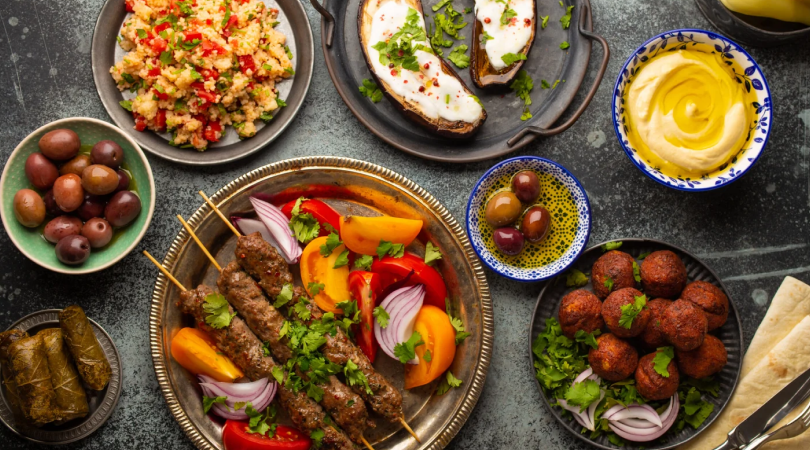
The components of the Mediterranean Diet (MedDiet) pattern include:6
– Daily extra virgin olive oil (EVOO) as the primary cooking fat, with < 1 serving of butter, margarine, or cream a day
– Vegetables (≥ 2 servings) daily
– Seasonal fruits (≥ 3 servings)
– Legumes and seeds ≥ 3 servings a week
– If not allergic, > 1 serving of nuts a week
– Seafood at least 3 times a week
– Fermented dairy, eggs, and poultry in moderation
– Minimal red/processed meats (< 1 serving a day)
– Moderate wine with meals (≥ 3 servings a week) if not pregnant
– < 1 serving of carbonated or sweetened beverages daily
– Commercial pastries (not homemade) < 3 times a week
– Whole grains rather than refined processed grains and refined sugars
– Movement, hydration, sunlight, and shared meals
Adhering to these Mediterranean dietary patterns reduces the risk of heart and cardiovascular diseases, some cancers, aids in the prevention and treatment of metabolic diseases, neurodegenerative diseases, diabetes, and chronic diseases, and reduces overall mortality, and the research is ongoing.7,8 The nutrient density of the diet includes EVOO providing MUFAs and phenolic compounds and phytosterols; legumes and fiber-rich vegetables providing pre- and probiotics; fermented dairy products offering probiotics and nutrients; and marine foods providing antioxidants, minerals, and omega-3 PUFAs that are anti-inflammatory and support metabolic and immune health.9
While women were left out of the Seven Countries Study of the 1950s, subsequent research studies have continued to uncover the mental and physical health benefits for women following a Mediterranean-style pattern of eating to reduce risk of heart and cardiovascular diseases and chronic diseases. The Lyon Diet Heart Study included 605 people under 70 years old who survived a myocardial infarction in the previous 6 months, 10% of whom were women. The results from this pioneering randomized, controlled trial proved that following a Mediterranean-style diet lowered the risk of having another cardiovascular event by 50% to 70%.10,11
Next, in the PREDIMED (Prevención con Dieta Mediterránea) study, 58% of the 7,447 participants were women. The PREDIMED Study found that Mediterranean Diet interventions—particularly the EVOO-rich version (at least 4 Tbsp a day)—significantly reduced cardiovascular events in women compared with a low-fat control diet. In addition, following a Mediterranean-style diet improved blood pressure, insulin sensitivity, lipid profile, circulating inflammatory molecules, lowered risk of diabetes, and positively affected epigenetic risk factors for men and women.10
Before 1993, women of childbearing potential were routinely excluded from research studies, resulting in decades of guidelines based largely on male physiology. Hormonal cycling, pregnancy potential, and metabolic complexity were considered barriers to research. This gap has had far-reaching consequences, contributing to misdiagnosis, mismanagement, and lack of targeted preventive strategies for women.12
Fortunately, recent research now highlights how profoundly the Mediterranean Diet pattern of eating, extra virgin olive oil (EVOO), and lifestyle can support a woman’s unique physiology throughout her hormonal transformations and lifetime. For example, a Women’s Health Study that followed 25,315 women for more than 25 years found that women with the highest adherence to the Mediterranean Diet had a 23% lower risk of all-cause mortality.4
For clinicians treating women—who shoulder three-quarters of the world’s unpaid care work42 and are the highest users of integrative medicine—these findings are life changing.13-15
Across decades of research, the Mediterranean Diet reduces risk of cardiovascular disease (primary and secondary prevention),2,29 hypertension, metabolic syndrome, and type 2 diabetes, as well as cognitive decline and Alzheimer’s disease, depression and anxiety, metabolic dysfunction–associated steatotic liver disease (MASLD), osteoporosis risk, menopausal symptoms, menopausal weight gain, and anti-aging benefits for the skin with EVOO.38,8 No other dietary pattern demonstrates this depth of evidence for women’s health throughout their lifetime. Research has ascribed many of the optimal benefits of the MedDiet to the inclusion of EVOO.8
Besides the known health benefits of the Mediterranean Diet in lowering the risk of chronic diseases in women since they have been included in research studies, there are specific medical conditions and biological transitions where MedDiet adherence can support health and wellbeing throughout the lifespan. The complexity of including women in research studies also highlights the factors that need more research to better understand how to support the stewards of life.
Menstruation is the first biological event that defines the cyclical nature of a female’s reality. Menstrual disorders also influence a woman’s fertility and risk factors for certain cancers, especially breast cancer, primarily by influencing lifetime hormone exposure.16
A narrative review of the available studies on the Mediterranean Diet (MedDiet) in women and reproductive health found higher adherence to the Med Diet was associated with lower risk of premenstrual syndrome, reduction in pain from endometriosis, improvement in polycystic ovarian syndrome (PCOS) and improved fertility and lower rates of metabolic syndrome and insulin resistance. 17
Maternal adherence to the Mediterranean Diet is also linked to profound maternal and child health benefits, including, reduced pregnancy complications and improved maternal mental health, lower risk of gestational diabetes and preeclampsia and improved glucose tolerance even among females without gestational diabetes18,19,12
A prospective, multi-center cohort study of 798 racially, ethnically, and geographically diverse women with singleton pregnancies found that participants with the highest adherence to the MedDiet compared with the lowest had 21% lower odds of any adverse pregnancy outcomes (APOs), including preeclampsia or eclampsia, gestational hypertension, gestational diabetes, preterm birth, delivery of a small-for-gestational-age infant, or stillbirth.20 Higher MedDiet adherence is also associated with reduced depressive symptoms during pregnancy.21
Infants being breastfed by mothers on a MedDiet receive breast milk with a higher content of beneficial fatty acids, such as MUFAs and omega-3 fatty acids (including DHA), while having lower levels of saturated fatty acids (SFAs).22
In addition to benefits during pregnancy and postpartum, following a MedDiet in pregnancy predicts healthier growth trajectories and lower risk of childhood obesity through ages 3–8, especially among high-risk groups.21
A 2024 study demonstrated favorable shifts in the infant microbiome and epigenetic markers linked to lifelong metabolic health with mothers on a MedDiet. The mechanism may be epigenetic optimization through nutrient density and maternal microbiome production of short-chain fatty acids (SCFAs).23 These findings elevate the MedDiet from a healthy option to a therapeutic nutrition framework for pregnancy and postpartum care.21
Perimenopause marks the 4-10 years before a woman ceases to have a menstrual period for a year and becomes postmenopausal that begins around age 40. During perimenopause women experience a myriad of symptoms that affect their health and quality of life. Perimenopause is characterized by rising inflammation, insulin resistance, abdominal adiposity mediated by estrogen, and increased cardiometabolic risk. The criteria for metabolic health include high levels of, or medication for, elevated triglycerides, blood pressure, and fasting glucose with reduced high-density lipoprotein cholesterol.
In a cross-sectional study on 2,115 obese women in Italy, metabolic health was assessed in relationship to the MedDiet, with greater adherence associated with a transition to a “metabolically healthy obesity” phenotype in adults aged 55 years and older. A higher adherence to the MedDiet was associated with a 45% lower risk of overweight postmenopausal women being metabolically unhealthy.24
Adhering to the Mediterranean Diet is associated with a lower risk of being overweight and obese at any age due to the positive metabolic effects of the diet and EVOO. Four meta-analyses of randomized controlled trials have shown a greater reduction of body weight and BMI with MedDiet compared to other diets. A meta-analysis of 7 prospective cohort studies found a reduced risk of becoming obese and gaining weight over time associated with higher adherence to MedDiet.25 The MedDiet has also been found to correlate with less significant increases in waist circumference over time in women post-menopause.26
Food is powerful medicine even for the complexity of symptoms and hormonal changes present during the menopausal years. The European Menopause and Androgen Society (EMAS) suggests that the MedDiet can alleviate vasomotor symptoms in women undergoing menopause.27 A cross-sectional study of 149 postmenopausal females 40 years or older found that women adhering to the highest quartile of a modified Mediterranean Diet Score (mMDS) compared to the lowest quartile had an 80% reduction in hot flashes, an 83% reduction in sexual symptoms of menopause, and an improvement in psychological symptoms.27
The MedDiet is rich in phytoestrogens and anti-inflammatory foods and EVOO that improve menopausal symptoms by decreasing inflammation, reduce oxidative stress and improving gut microbiota to promote optimal beta-glucuronidase activity.13, 17 The intake of legumes and EVOO have been linked to a decrease in the severity of vasomotor and sexual symptoms of menopause. 17 Calcium-rich greens, legumes, and fish, support improved bone mineral density, while MUFAs and PUFAs improve lipid profiles and vascular function. EVOO polyphenols reduce inflammatory cytokines and oxidative stress with nutrient dense foods that stabilize blood sugar and support weight management.28 Women adhering to the MedDiet show lower rates of metabolic syndrome, hypertension, and cardiovascular disease—the leading cause of mortality in women.4,29
Breast cancer is the leading cause of cancer-related death among women worldwide.30 A systematic review of 45 studies found that the highest olive oil consumption was associated with a 31% lower likelihood of any cancer and a 23% lower risk of breast cancer for both Mediterranean and non-Mediterranean participants.31
A prospective cohort study of 335,062 women recruited in 10 European countries found a 6% reduction in breast cancer incidence with high MedDiet adherence after a mean 11-year follow-up.32 A cohort of 62,573 postmenopausal women aged 55–69, tracked from 1986 to 2007, found that high MedDiet compliance reduced breast cancer risk by 40% compared with low adherence.33
Extra virgin olive oil is the only standard culinary oil that combines high MUFAs with a rich polyphenol profile that has antioxidant, anti-inflammatory, and cancer-protective properties. Numerous in vitro, animal, and human studies have found beneficial effects of EVOO for reducing breast cancer risk.
An in vitro study of breast cancer cell lines both treated with oleocanthal, hydroxytyrosol and oleuropein, showed that olive polyphenols increased reactive oxygen species and suppressed breast cancer cell proliferation.34
A Mediterranean Diet that includes EVOO high in polyphenols, selenium, glutathione, balanced ratio of (n-6):(n-3) EFAs, high amounts of fiber, and vitamin E and C has shown protective effects on breast and gynecologic cancers via anti-inflammatory, anti-estrogenic, and DNA-protective pathways.35-37, 3
EVOO is an essential ingredient of the MedDiet and one of the most therapeutic foods for women. Its MUFAs, triterpenes, and more than 36 polyphenols—including hydroxytyrosol—demonstrate antioxidant, antimicrobial, anti-inflammatory, cardio-protective, neuro-protective, anti-diabetic, and anticancer activity.28,39
Culturally, olive oil is a feminine symbol. Athena’s olive tree—representing wisdom, prosperity, fertility, and peace—became the emblem of Athens as she won patronage of the city over Poseidon. In many ways, EVOO embodies these qualities in women’s physiology: grounding, protective, nourishing, and vital.
Our environment and natural world have changed since the Mediterranean Diet was first researched in the 1950s. We now live and forage amid a plethora of forever chemicals, endocrine disruptors, obesogens, microplastics, genetically modified ingredients, and stressed agricultural systems. To make the Mediterranean Diet more sustainable for a global environment and honor accessibility to traditional food-medicine across all cultures, Dr. Walter Willett and colleagues in the EAT–Lancet Commission created the Planetary Health Diet, which emphasizes sustainability and plant-forward, local foods.40
Higher adherence to the Planetary Health Diet Index is associated with a 23% lower all-cause mortality, lower cardiovascular, diabetes, cancer, respiratory, and neurodegenerative mortality, and a lower dietary environmental impact.41
For women—whose reproductive physiology is uniquely sensitive to toxins, especially during biological transformations through menstruation, pregnancy, childbearing, and menopause—addressing endocrine-disrupting toxins in food and environment is critical for maintaining access to fresh, natural, foraged, and cultivated foods and beverages. Diet, endocrine disruptors, and toxins also impact the health of offspring through epigenetic mechanisms. Engaging women and their families in a Mediterranean dietary pattern offers a sustainable, grounded approach that supports women’s health and wellbeing across the lifespan and planetary health.
In Mediterranean societies, women have been the custodians of culinary medicine and family traditions. They prepared the foods, teas, herbal remedies, and seasonal dishes that nourished entire communities. This labor of love—still disproportionately carried by women globally42—created the dietary inheritance that modern nutrition science now celebrates. When researchers first documented low disease rates in Crete, they were observing the health effects of matriarchal kitchen medicine—a lineage now affirmed by modern science.
What do women need to continue to follow a Mediterranean style of eating and living in our modern world? An international cross-sectional study of 4,010 participants (59% women, average age 36) across 10 countries examined gender-specific insights into adherence to the Mediterranean Diet and lifestyle. Researchers found that:
– Women had better adherence to food consumption components and used more herbs, spices, and garnishes daily.
– Men showed greater physical activity and social participation.
– Women reported poorer sleep metrics (efficiency, latency, duration) and higher insomnia severity.
– Women had more psychological distress (depression, anxiety, stress) and expressed greater needs for psychosocial and nutritional support and higher perceived barriers.
– Women were more likely to cite attitudinal barriers, lack of knowledge, and taste-related issues in adhering to the MedDiet.
For the myriad health benefits of the MedDiet and lifestyle to impact women’s health, this study highlights the need for better sleep support, greater opportunities for physical activity and social participation, and expanded nutritional and psychosocial support for women.43
The MedDiet embodies many of the principles of naturopathic prescribing: it uses the healing power of nature, does no harm, treats the cause, supports the vital force, is an evidence-based therapeutic tool for prevention, and provides an opportunity for education in therapeutic nutrition and lifestyle medicine. In keeping with these principles, personalizing each patient’s dietary plan is essential, as is honoring any food allergies, sensitivities, and intolerances, and optimizing gastrointestinal function.
For clinicians wanting to recommend the MedDiet to their patients, consider the following general guidelines:
– Use EVOO liberally (at least 4 Tbsp/day)
– Encourage daily intake of seasonal vegetables, legumes, nuts, seeds, and leafy greens
– Include wild-caught seafood 2–3 times per week
– Enjoy fermented dairy in moderation
– Use low-glycemic whole grains based on tolerance
– Reduce refined sugars, processed foods, sugary drinks, and artificial ingredients not found in nature
– Use organic or wild-harvested herbs, spices, and plants as part of food and traditional medicine
– Integrate movement, community, and a time-conscious, less hurried pace of life
Women—who are the highest users of integrative therapies—are particularly receptive to this pattern, especially when framed as a return to ancestral wisdom supported by modern evidence.26,44
The Mediterranean Diet is more than a nutritional pattern; it is a healing tradition shaped by women across generations living in harmony with nature’s gifts. Modern research now affirms what Mediterranean mothers have always known: when food comes from the earth, prepared with intention and shared in community, it is powerful medicine.
 Dr. Artemis Morris, ND is a leading expert in women’s health, the Mediterranean Diet, and lifestyle medicine. She is the medical director of Artemis Wellness Center and co-author of The Anti-Inflammatory Diet for Dummies. Dr. Artemis is the former academic director of The Graduate Institute’s Master’s in Integrative Health and Healing, professor of functional nutrition at the University of Bridgeport, and served as medical director of the Integrative Wellness Center at Masonic Hospital. She shares her lifelong devotion to nature’s healing wisdom through her research, clinical practice, writing, and TV and international conference appearances on Mediterranean-inspired wellness.
https://www.instagram.com/drartemismorris/
https://www.facebook.com/Artemiswellcenter