

A...
Chemotherapy-Induced Peripheral Neuropathy: An Evidence-Based Guide for Naturopathic Physicians
read more
By Majid Michael Sababi, ND, DC, MS, MUAc, ABDA
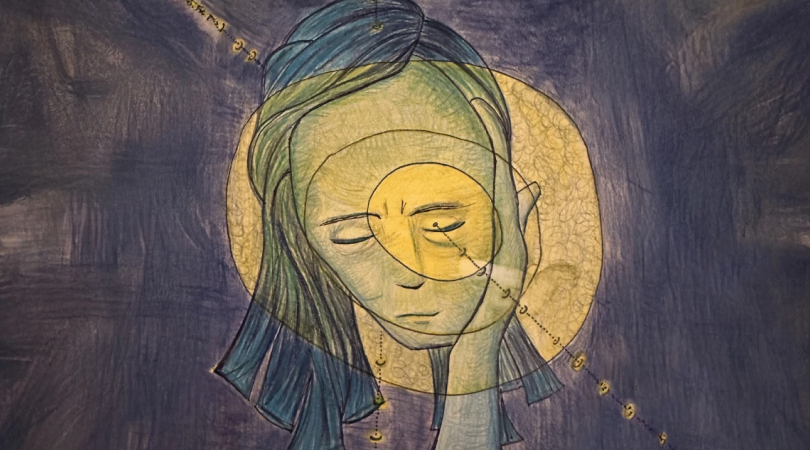
A 38-year-old female with predictable mid-cycle and late luteal migraines achieved relief through an integrative approach combining nutrition, botanicals, supplementation, and conventional care.
This case study explores the management of ovulation-triggered migraine using naturopathic interventions alongside conventional treatment. Through targeted nutrition, botanical medicine, supplements, and lifestyle strategies, the patient experienced reduced migraine frequency and improved hormonal balance.
Age/Sex: 38-year-old female
Primary Concern: Severe migraines coinciding with ovulation and late luteal phase.
Onset & History: Migraines began in her mid-20s, occurring predictably mid-cycle (days ~13–15) and premenstrually (days ~21–28).
Pattern: Throbbing, unilateral headaches radiating to the right shoulder with nausea, photophobia, and phonophobia; no aura.
Triggers Identified: Hormonal fluctuations — particularly estrogen drop after ovulation peak and prior to menses.
Relief: Patient has been taking Nurtec ODT (rimegepant 75 mg) for acute attacks with complete headache relief within hours. She wants an alternative solution since her insurance does not cover the medication.
Diagnosis: Menstrual-related migraine (ovulation-triggered variant).
Current Medication:
– Rimegepant (Nurtec ODT 75 mg) — taken at onset of migraine; works by blocking CGRP receptors, preventing vasodilation and neurogenic inflammation in the trigeminal system.
Mode of Action:
1. Estrogen drop → brain serotonin instability → ↑ CGRP release.
2. CGRP causes vasodilation + trigeminal nerve inflammation.
3. Rimegepant blocks CGRP receptor, breaking the pain cycle.
Mid-cycle (ovulation):
– Estrogen peaks → sharp drop post-ovulation.
– Drop triggers CGRP release → vasodilation + neuroinflammation.
Late luteal phase:
– Progesterone and estrogen both drop → similar CGRP surge.
Additional contributing factors: prostaglandin release, luteinizing hormone (LH) surge, and vessel reactivity.
Therapeutic Goal: Reduce frequency and intensity of migraines by stabilizing hormonal fluctuations, supporting vascular tone, and lowering CGRP activity naturally.
ND Modalities Applied: Nutrition, botanical medicine, targeted supplementation, homeopathy, and lifestyle modification.
– Increase phytoestrogen-rich foods during high-risk windows (pre-ovulation, late luteal):
• Flaxseed (1–2 tbsp/day, ground)
• Organic soy (edamame, tempeh, miso)
• Sesame seeds, chickpeas, lentils
• Pomegranate, berries
– Anti-inflammatory diet foundation:
• Omega-3-rich fish (salmon, sardines) twice/week
• Colorful vegetables & leafy greens daily
• Reduce processed sugar & alcohol
– Hydration: Minimum 2 L/day water
– Caffeine: Max 1 cup/day, avoid in luteal phase if triggering
– Sleep: Consistent 9:30–10 PM bedtime, 7–9 hrs
– Stress management: Gentle yoga and breathwork during migraine-prone phases
– Magnesium glycinate — 300–400 mg daily
– Riboflavin (B2) — 400 mg daily
– CoQ10 (ubiquinol) — 200 mg daily
– Fish oil (high EPA) — 2 g/day
– Vitex agnus-castus — 200 mg extract daily (supports progesterone balance)
– Red clover — standardized extract, mild phytoestrogen effect
– Ginger — 500–1000 mg/day or fresh infusion for anti-inflammatory support
– Butterbur (PA-free) — 50–75 mg twice/day for migraine prevention (caution: monitor liver function)
Selected based on patient’s symptom profile:
– Belladonna 30C — acute, sudden, throbbing vascular headaches with flushing
– Sanguinaria canadensis 30C — right-sided headaches, flushing, worse from sun
– Natrum muriaticum 30C — hormonal migraines, bursting pain, worse from sun and emotional stress
Dosing: One remedy at a time in acute stage, per classical prescribing guidelines; constitutional prescription considered for long-term balance.
Short term: Continue Nurtec for acute attacks; begin ND interventions to lower attack frequency.
Medium term (3–6 months): Expect reduction in migraine days, less severe ovulation-related attacks, and improved PMS symptoms.
Long term: Possible reduction or elimination of pharmaceutical need if stability is maintained.
This case highlights the interplay between hormonal fluctuations and CGRP-mediated vascular changes in migraine pathogenesis. While pharmacologic CGRP antagonists like rimegepant are effective for acute management, an integrative ND approach can address root causes by smoothing estrogen fluctuations, supporting vascular stability, and modulating inflammatory mediators.
Combining conventional and naturopathic strategies may offer both immediate relief and long-term prevention, reducing patient reliance on medication while improving overall hormonal resilience.
 Dr. Majid Michael Sababi, ND, DC, MS, MD, MUAc, ABDA, is a Naturopathic Physician, Chiropractic doctor, and integrative clinician with advanced training in clinical nutrition, genetic psychology, and bioenergetic medicine. He has over thirty-four years of experience in integrative healthcare, combining traditional healing systems with evidence-based modalities. His clinical focus includes regenerative medicine, chronic disease recovery, and preventive care strategies.