Allison Apfelbaum, ND, LMP
The Naturopathic medical profession is one of a kind. I grew up on the east coast, and when I was determining as an undergraduate what I wanted to do with my Bachelor of Science degree, I was unaware of what naturopathic medicine even was. At that time, I was only beginning to understand how external factors could effect the inside of the body. For example, the food that I ate made a difference in how I felt. At the time, this was a new concept for many of the people I was interacting with. There was no awareness of how something you ate, could have any effect on the way you feel. The best way to understand how this is possible, is to compare the body to a car. If you fuel your car with gasoline it will run, if you fill it with soda, it will struggle. At that time, I began significantly changing my diet with nutrient dense foods, which helped with my digestion, energy and my immune system. This began my journey into healthcare.
As I started shadowing providers, I came across one in particular, an Osteopathic doctor, who really changed the way I thought about the medical system. This provider listened to their patients, they were present during visits, and truly cared. When a patient had pain, they used hands-on physical medicine to treat the ailment, rather than solely prescribing. It was so different than any other experience I had witnessed in my lifetime. Patients were so happy during the visit. So many times, would I approach a doctor and after about 5-10 minutes of a visit, they would take out their prescription pad. I never had a provider work up a single complaint to find the cause, I did not even know if this kind of care was possible. The one thing that likely stopped me from applying to Osteopathic school, was seeing the rotating resident doctors memorizing an enormous book of pharmaceuticals. It was like they were waiting for the diagnosis, so they could give the matching medication. I soon began a search for any kind of alternative path to truly becoming a doctor who heals at the root cause.
I came across Naturopathic medical school, and the more I learned, the more that made sense. If I could combine the science of pharmacology, with the art of healing and nutrients, this could be my calling. I ended up starting school at Bastyr University, and moving 3,000 miles away from home to do something that I believed in. I feel fortunate this profession even existed, as many people cannot say they followed their passion and believe in their medicine.
Naturopathic medical school was not easy, it was very rigorous. As was my two-year residency in primary care that shaped me into the clinician I am today. The major difference in our medicine compared to conventional medicine, is that we are specialized in out-patient primary care. ND’s spend more time with patients, and are trained in physical hands-on medicine for pain management. ND’s are experts in finding the root cause and have more tools for treatment beyond pharmaceuticals. Many medications came from whole plants originally. Every compound has a mechanism of action in the body, including plant medicine. ND’s in the state of Washington have a broad scope of practice, we are primary care providers who can prescribe medication, perform physical exams, take blood, and order imaging. Some patients need more than this. Not every person responds well to medications, and often times tolerates plant medicine and nutrient therapies better. We are trained in therapeutic nutrition and supplementation. It is important now more than ever, that people have access to a provider to help them with drug/supplement interactions, dosing, and natural therapies, especially when so much misinformation is available. ND’s believe in science based medicine, which includes natural therapies. It is not either/or, it has to be both.
After nine years of practice, and eight years of school, I can say that I am grateful to be part of this profession. Every single day I get to listen to incredible, sometimes heart-wrenching stories from patients on their healing journey. I get to take time to empower patients to heal themselves, and give them options beyond treating the symptoms. It is an honor to walk side by side in a partnership towards health, instead of pulling out a prescription pad. I have seen lives change, and I feel grateful that I became an ND.
It is no doubt hard to be part of the “underdog” profession in our medical system. We are spending more time, getting paid less, and have more training in primary care than other providers. However, I see a shift in what patients want for their health. I hear the frustration, I feel their pain, I review the missed diagnoses and piles of records they bring in from other providers. Things have to shift in our healthcare system, there is an urgency. The pandemic has brought to light all of the cracks that have now become craters. The conventional medical system is breaking on all fronts, and we need to work together. Naturopathic medicine is becoming the future of primary care, and I want to be a part of that change.
Bio
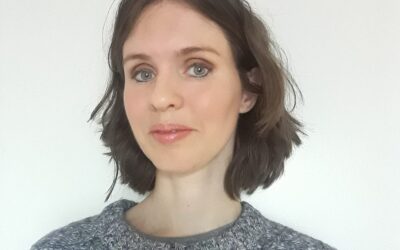
Dr. Allison Apfelbaum is a licensed naturopathic doctor at Tree of Health Integrative Medicine in Woodinville, WA who graduated from the four-year ND program in 2013 at Bastyr University. She has a busy insurance-based primary care practice with special interests in endocrinology, pain management, autoimmune disease, and allergies.
Dr. Apfelbaum has experience in public radio, and writes a monthly health column for the Woodinville Weekly newspaper. She is an active member of the AANP and serves on the board of directors for the WANP. She is also an educator for Evergreen Hospital Wellness Outreach program.
Facebook tag: @doctorapfelbaum
Instagram: @doctorapfelbaum
Twitter: @doctorapfelbaum