Colleen Huber, NMD
April 9 2026
The following is a comparison of my conventional medical education and subsequent naturopathic medical education. I wrote this in 2015, and now update it in April 2026, only with updated curriculum links and screenshots from the various medical schools.
Relatively few people have undertaken both a conventional and a naturopathic medical curriculum.
Comparing my experience in both educational systems, I have to say that the naturopathic education was the more intellectually rigorous of the two, requiring observation of detail, discussion, reasoning, and memorization. My conventional medical curriculum involved almost exclusively observation of detail and memorization, and some analysis.
Because naturopathic physicians are trained to search for the root cause of pathology, and to consider the entire individual when devising a treatment plan, my naturopathic education required a lot of reasoning and prioritizing, plus even more memorization than in the conventional program. The naturopathic curriculum is so intense and comprehensive that as of this writing, May of 2015, no medical doctor anywhere in North America has yet mastered enough naturopathic science to have passed the naturopathic clinical board exams, unless of course, they also went through the entire 4-year naturopathic medical curriculum. A number of other health professionals have attempted the naturopathic clinical board exams, in jurisdictions and at times where it was allowed for others to sit for those board exams. One veterinarian passed those exams once, and no one else aside from naturopaths. Those exams are administered by the North American Board of Naturopathic Examiners (NABNE).
Naturopathic physicians have had approximately twice as many classroom hours and twice as many courses in medical school as MDs and DOs have had. All of conventional physicians’ academic work is in the first two years, and does not include full-term coursework in the specialized medical fields, such as cardiology, pulmonology, gastroenterology, etc. through all body systems. Rather, there are a few to several weeks of modules in each, before beginning rotations, as at Yale, Harvard, Johns Hopkins and Columbia.
Their curricula are at these links, as of this update, April 2026: Yale School of Medicine, Harvard Medical School, Hopkins Medicine, and Columbia.
And the screenshots of those curricula are, respectively, as follows:
First, Yale School of Medicine:
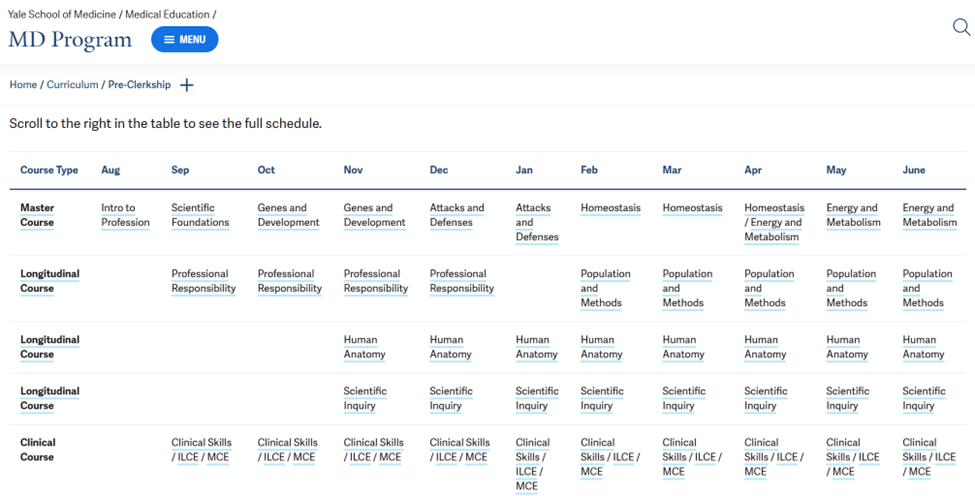
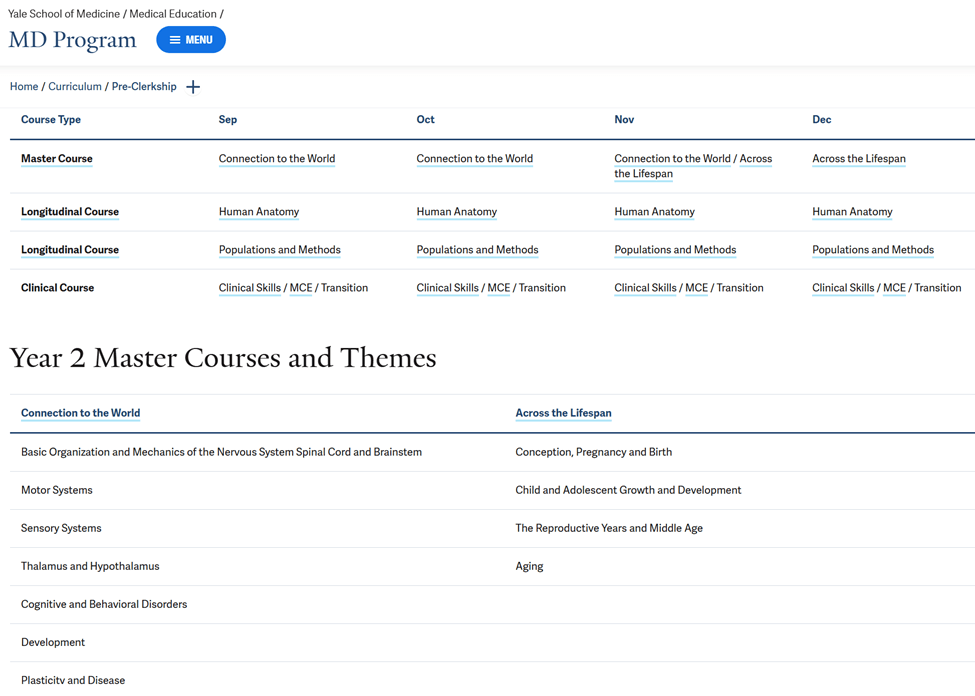
That’s it! That is the entire academic curriculum of the Yale University School of Medicine, done in a year and a half.
Let’s next look at Harvard.
In 2015, it looked like this:
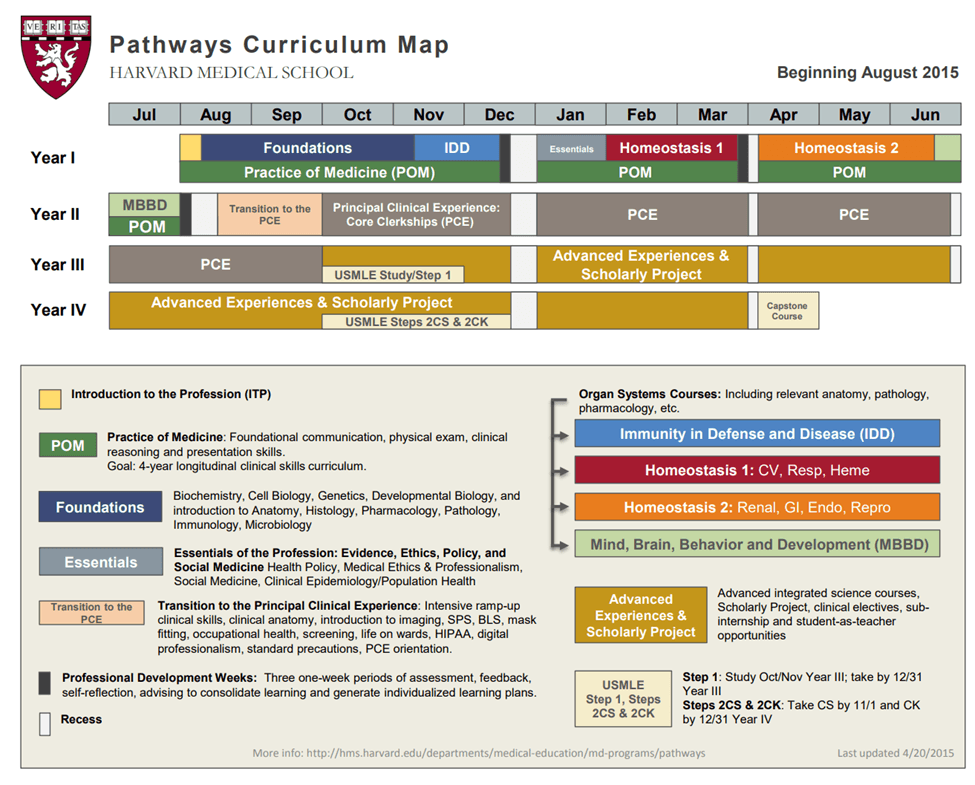
So there was even less classroom time, approximately only one year, in 2015 at Harvard than at Yale.
Let’s see what Harvard is doing this year:
The current Harvard Medical curriculum as of April 2026:
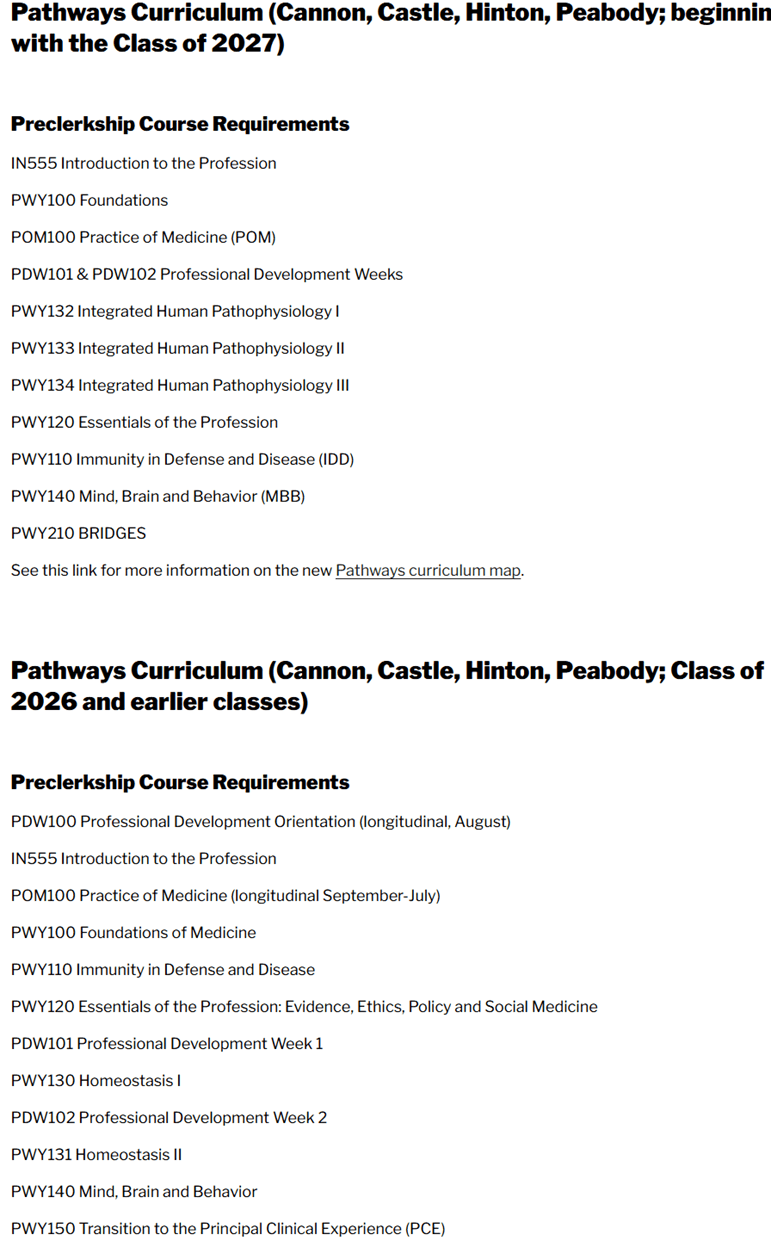
Or the Harvard Medical School student may choose the Health Sciences and Technology (London Society) curriculum. Students choose one of those curricula, not both.
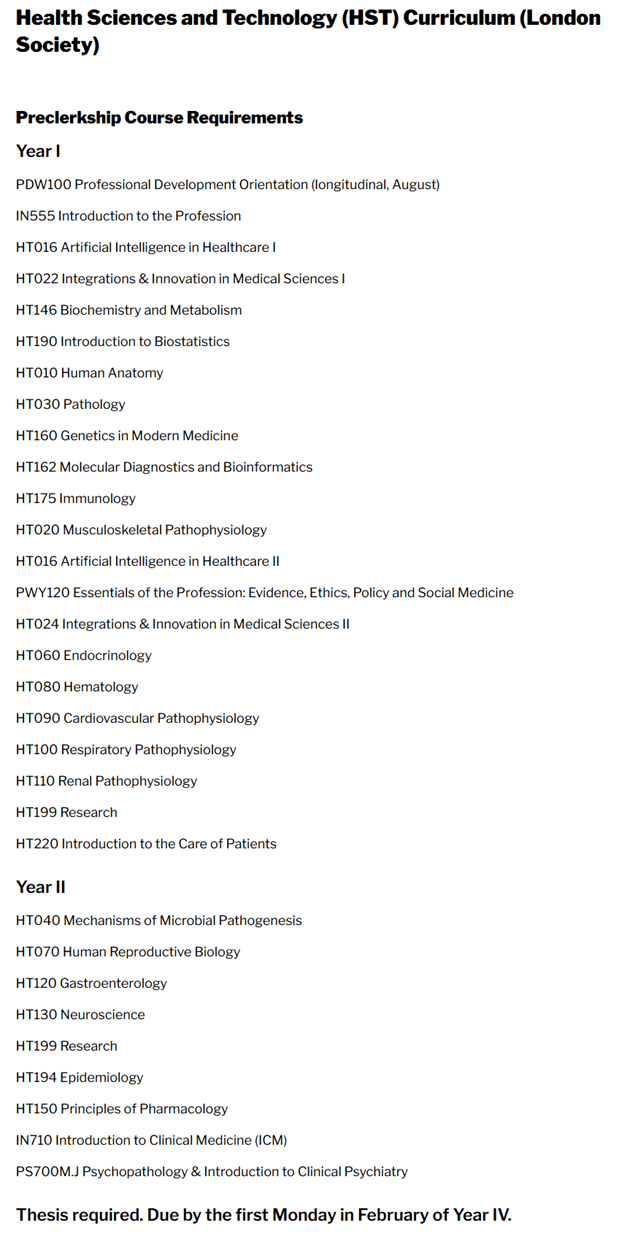
That’s it for Harvard: Only 23 courses in the “Pathways” curriculum, and only 31 courses in the alternative, the HST / London curriculum, basically a year and a half of academic work.
Now shall we look at Johns Hopkins School of Medicine?
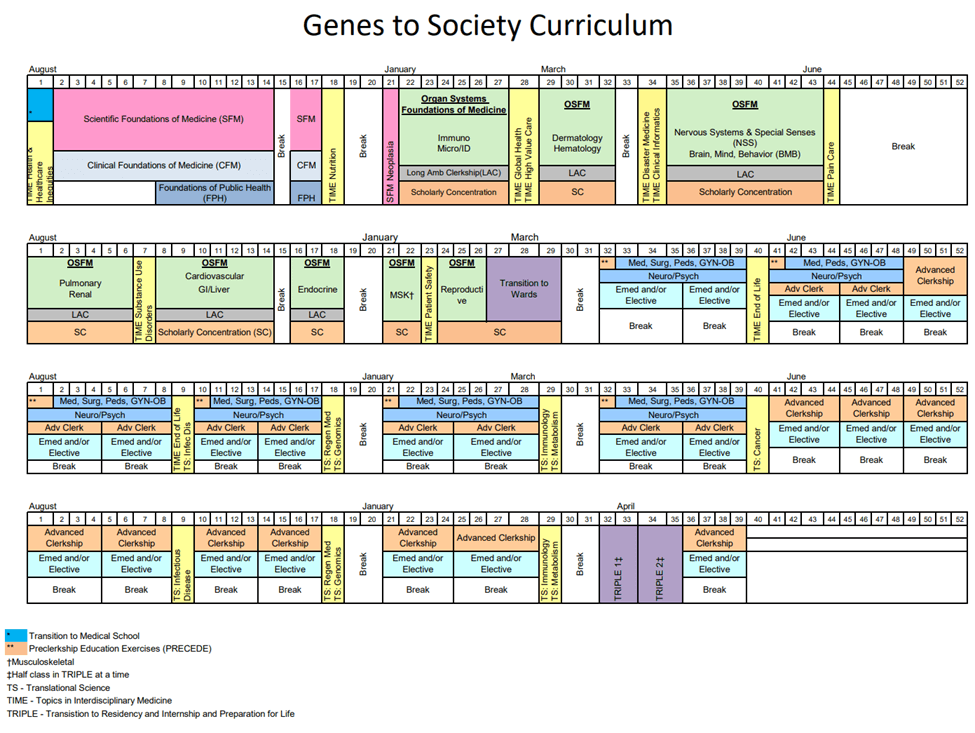
This is the 4-year MD curriculum at Johns Hopkins, and it is even more horrifying than the previous curricula. In the whole 4 years, there are only 3 weeks devoted to the vast field of endocrinology. I had ten weeks of endocrinology in naturopathic medical school. Only 3 weeks are devoted to reproductive medicine at Johns Hopkins. At naturopathic medical school, I had 20 weeks of obstetrics and gynecology, plus another 10 weeks of men’s reproductive health and urology. Only 6 weeks are devoted to urology at Johns Hopkins. At Johns Hopkins, only 7 weeks are devoted to cardiology study. Of that I had 10 weeks in naturopathic medical school. And so on.
Maybe we will see a more rigorous curriculum at Columbia University. Let’s next go there.
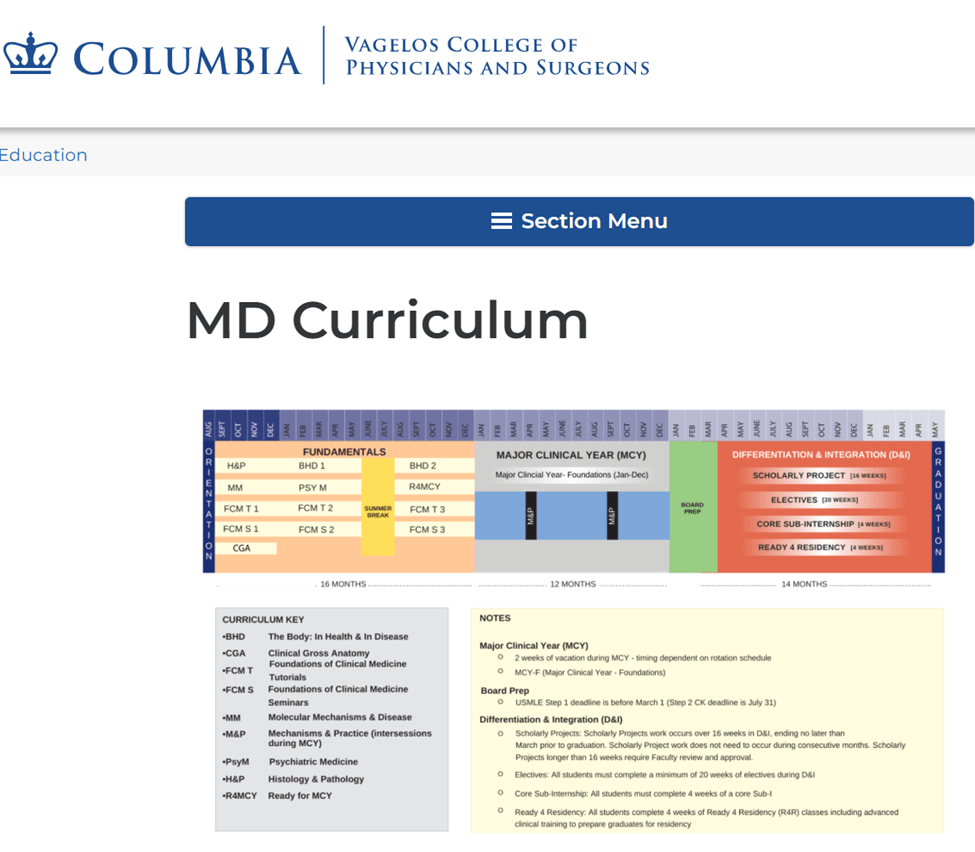
Here also, we see that the academic curriculum is only 16 months, and then it is off to rotations.
The curricula outlined at the above links show that relatively little classroom time is spent on any of the basic sciences and specialized fields of medicine. Most of the last two to two and a half years is devoted to on-the job training, shadowing physicians and seeing many, many ill patients.
Naturopathic medical education, on the other hand, is exhaustive in covering all of the basic sciences, as well as each specialized field of medicine in full-term courses in each. The didactic courses continue year-round at most of the naturopathic schools, for almost all of the four-year curriculum. In the whole four years, naturopathic students spend far more time in the classroom learning about medicine, but see fewer patients, and therefore less variety of illness.
Here are the curricula for the naturopathic medical programs at Bastyr University, Southwest College, and University of Bridgeport: Sonoran University, National University, National University of Health Sciences, Bastyr University.
Let’s first examine the Naturopathic medical curriculum at National University of Natural Medicine:
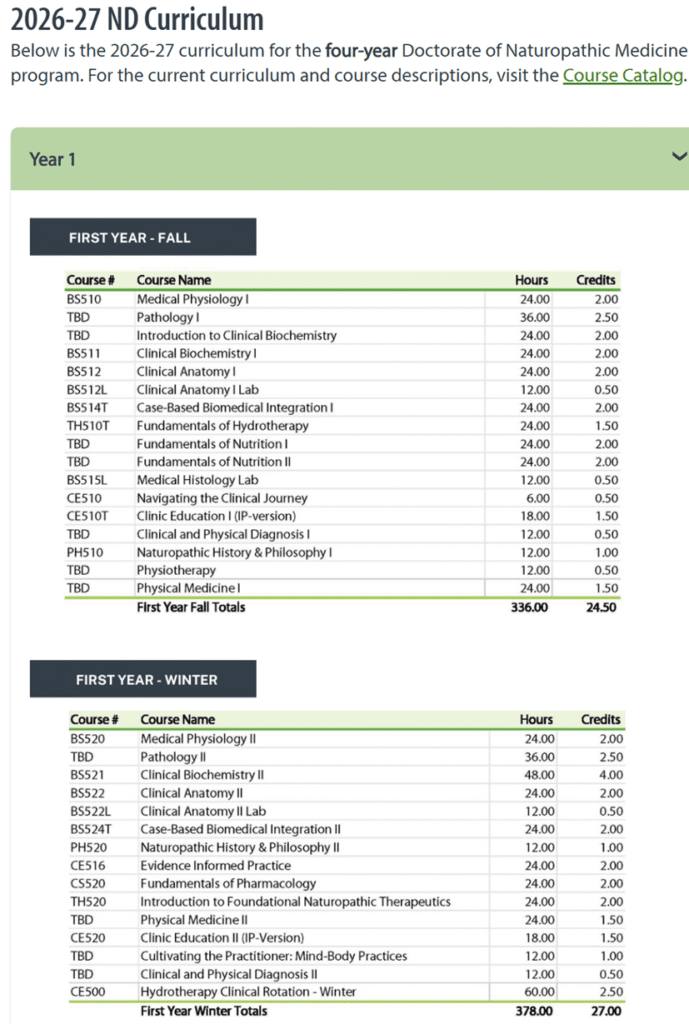
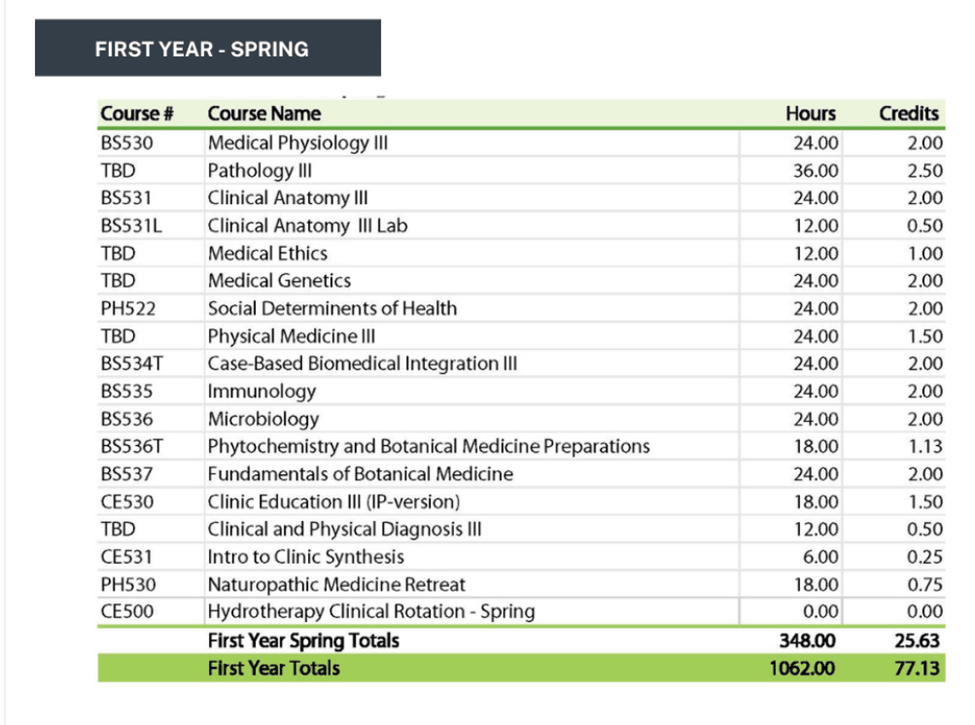
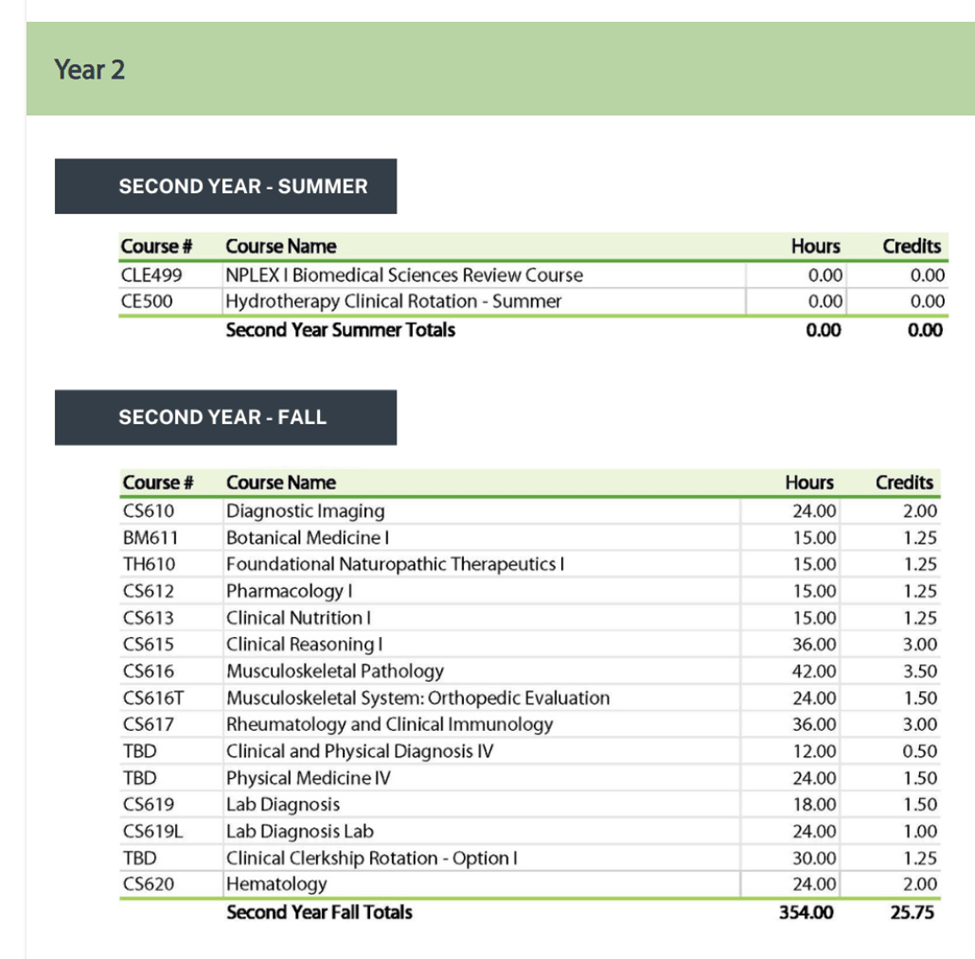
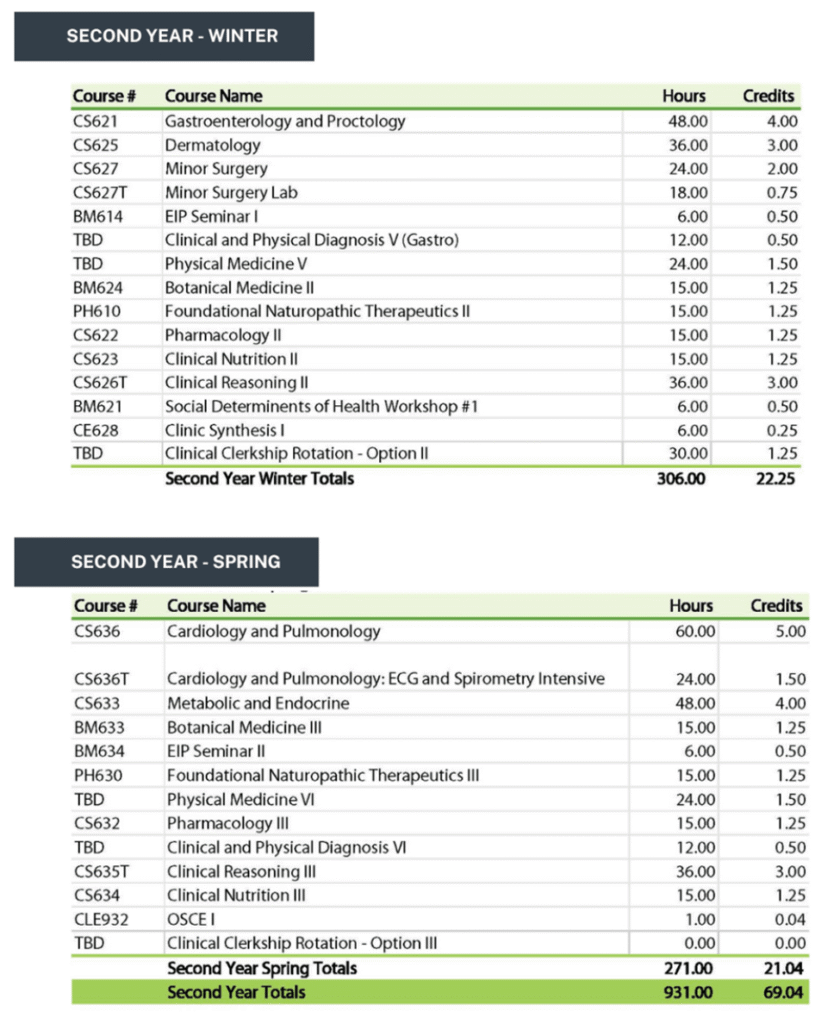
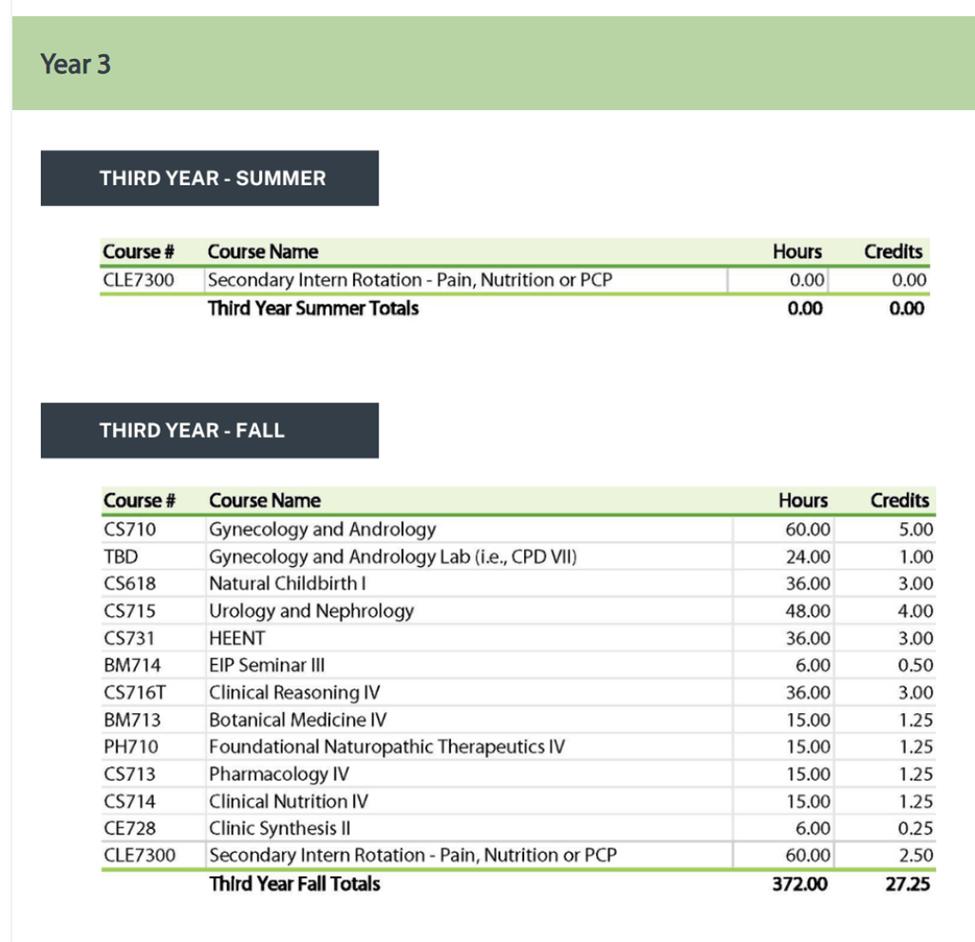
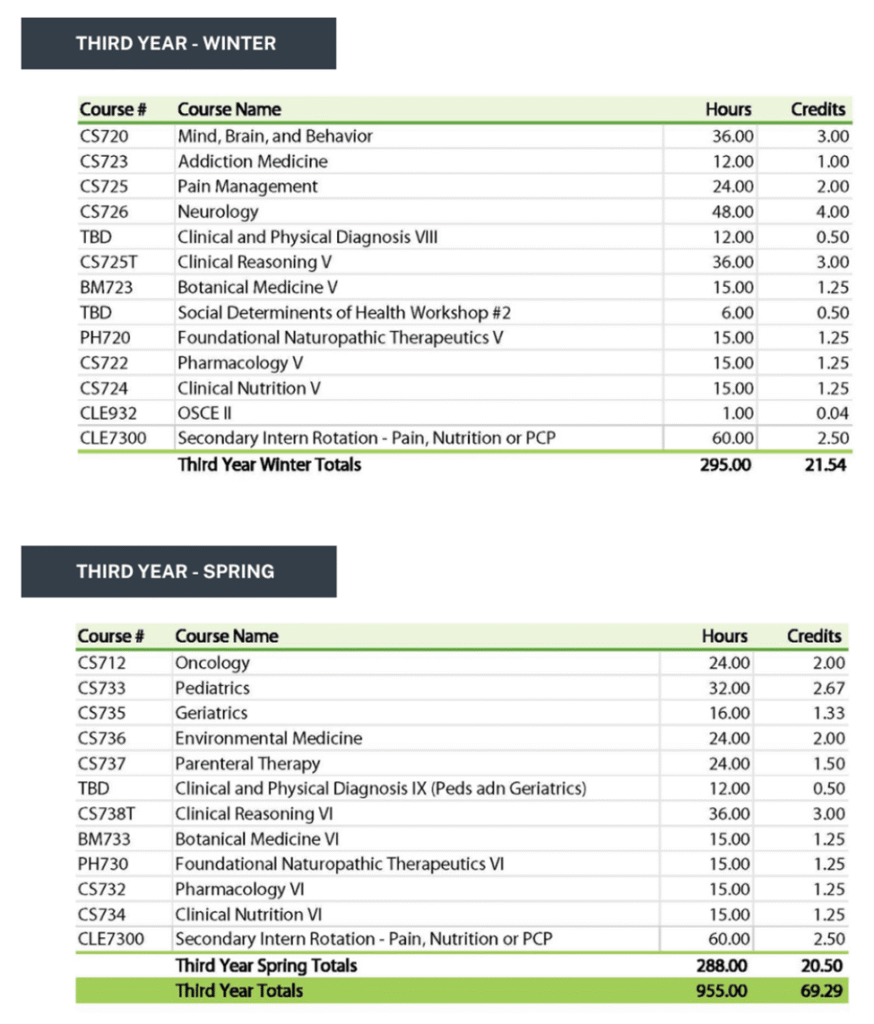

Now that’s more of what we should expect from our very best medical schools: A more robust curriculum of one hundred and fifty one (151) courses. That is more than quadruple (depending on curriculum path at Harvard) the number of courses in Harvard Medical School.
The academic program for naturopathic physicians at Sonoran University of Health Sciences, includes 133 courses, as shown below:
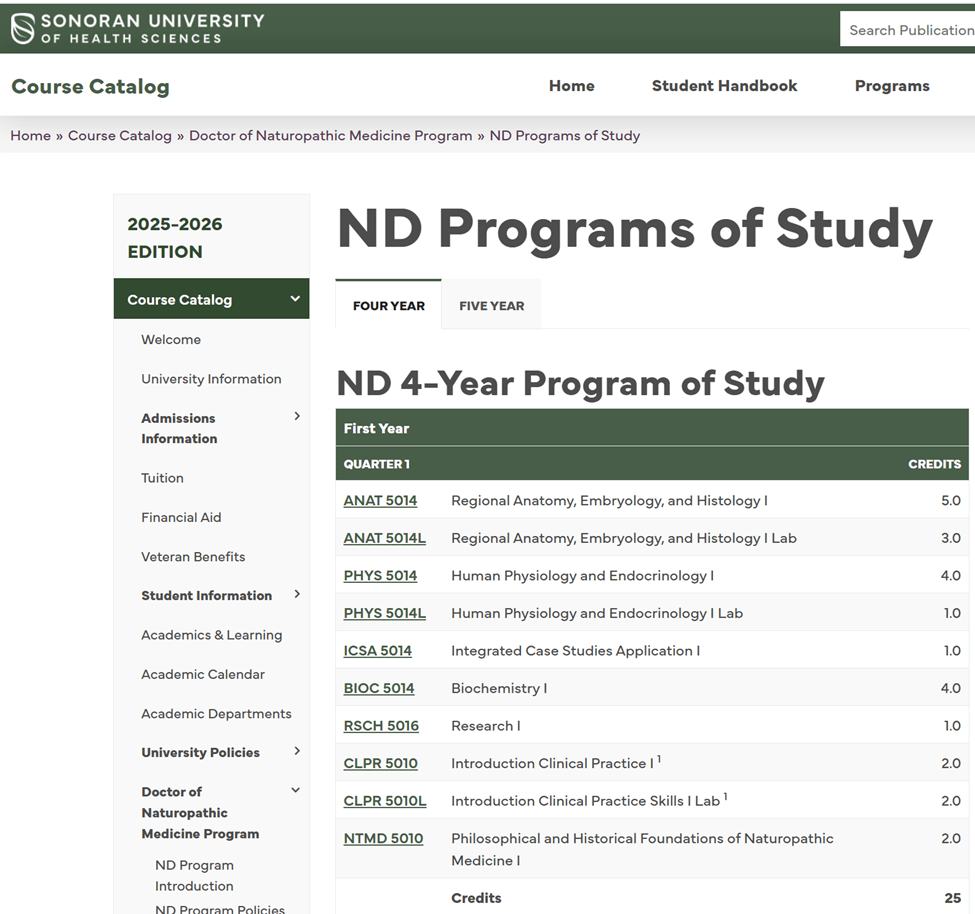
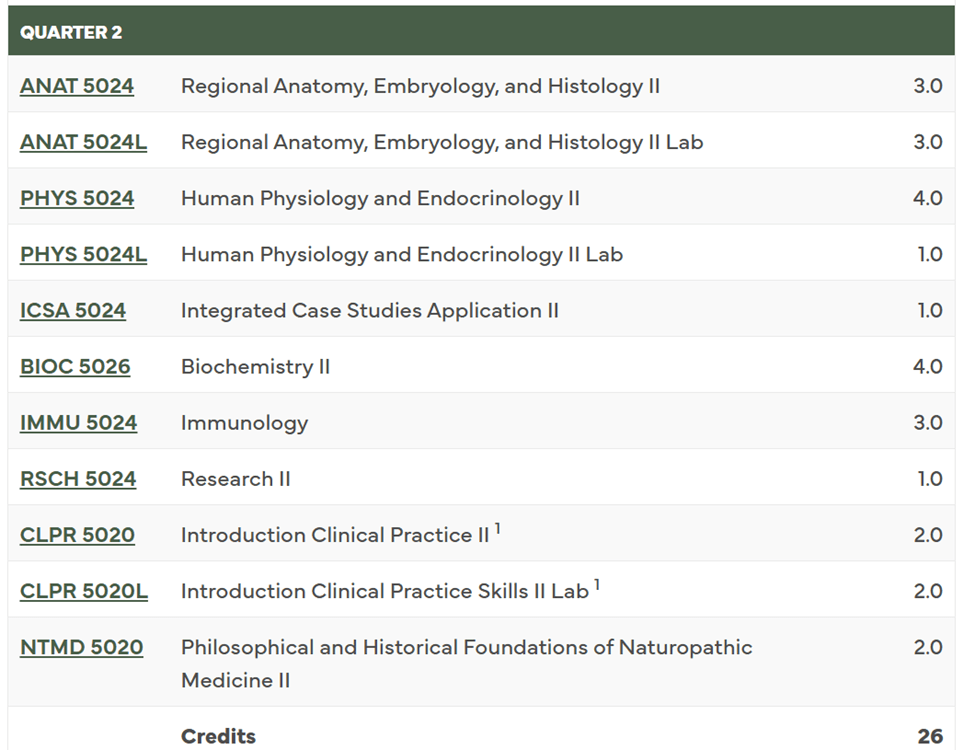
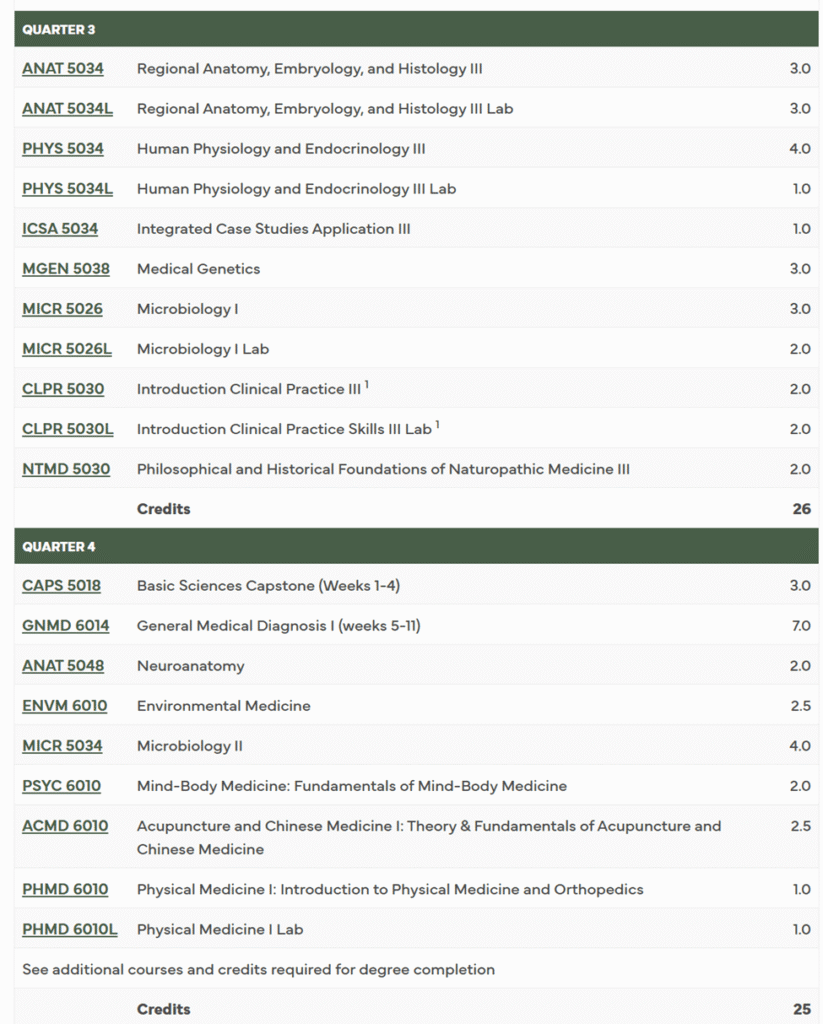
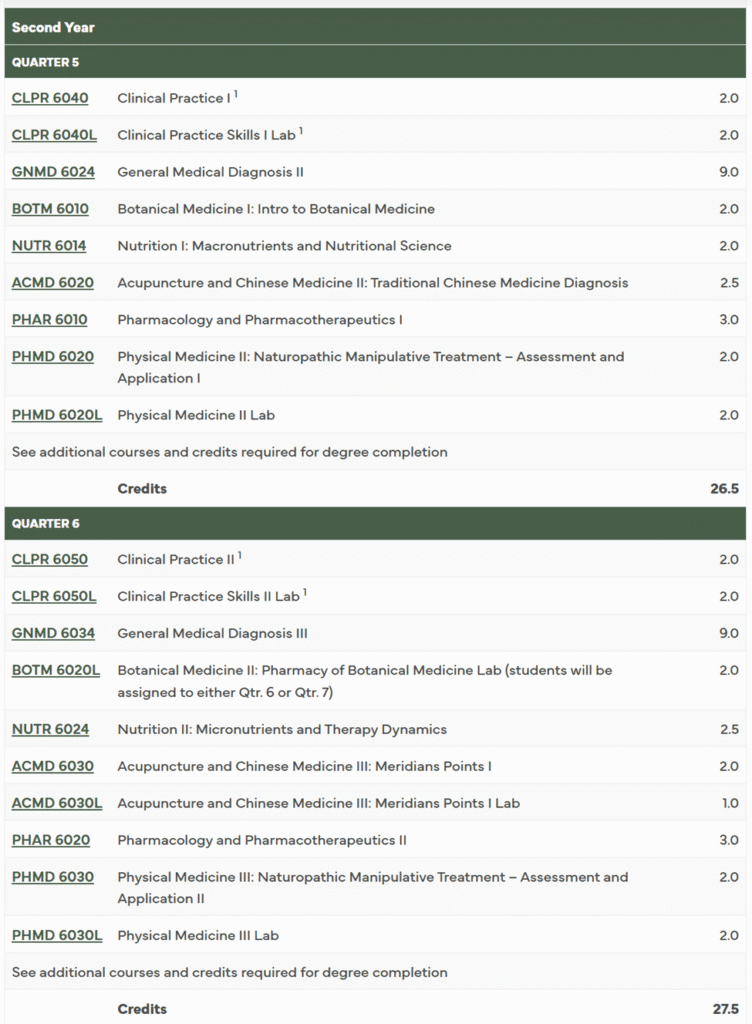
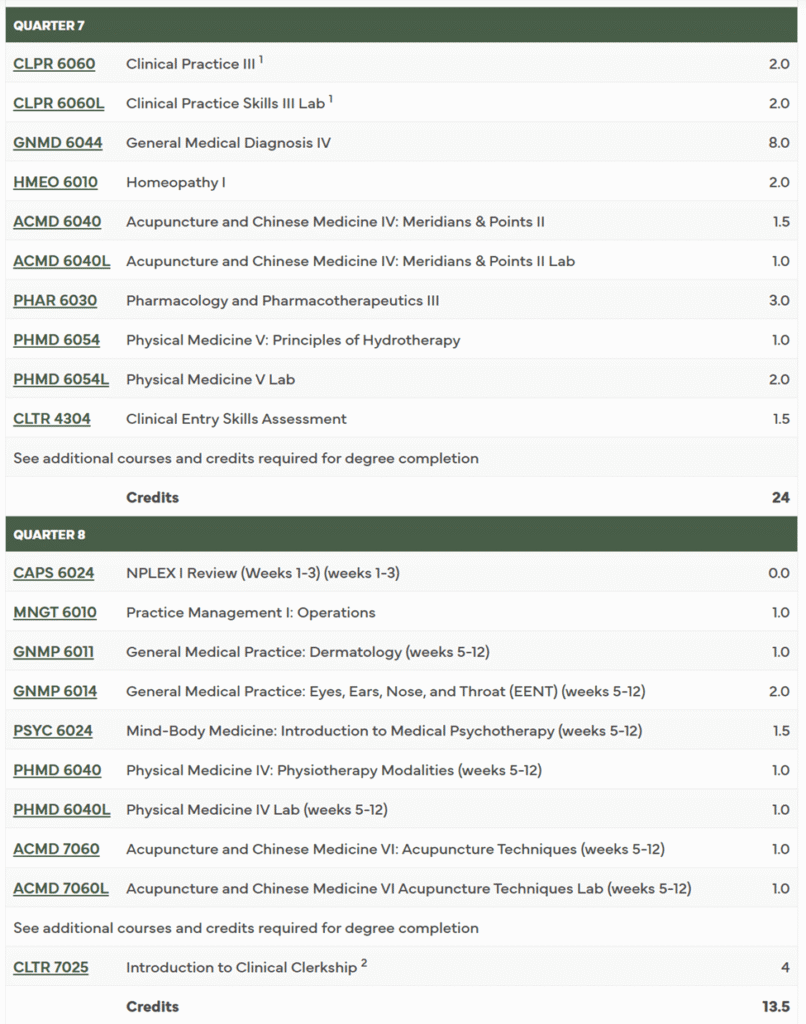
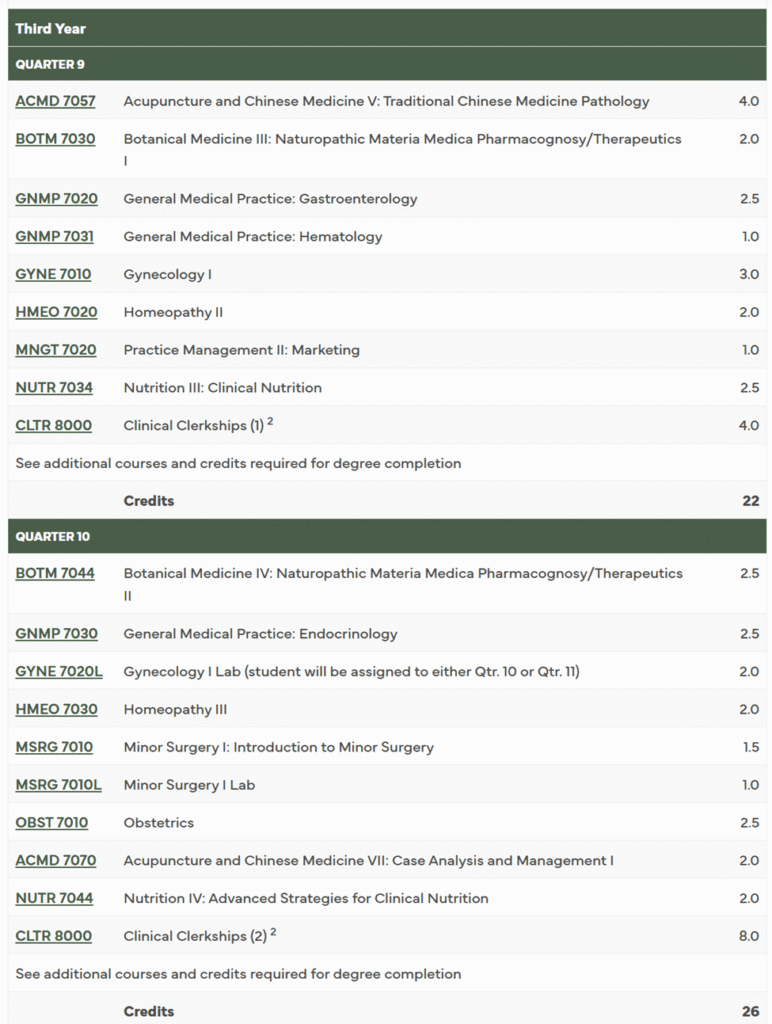
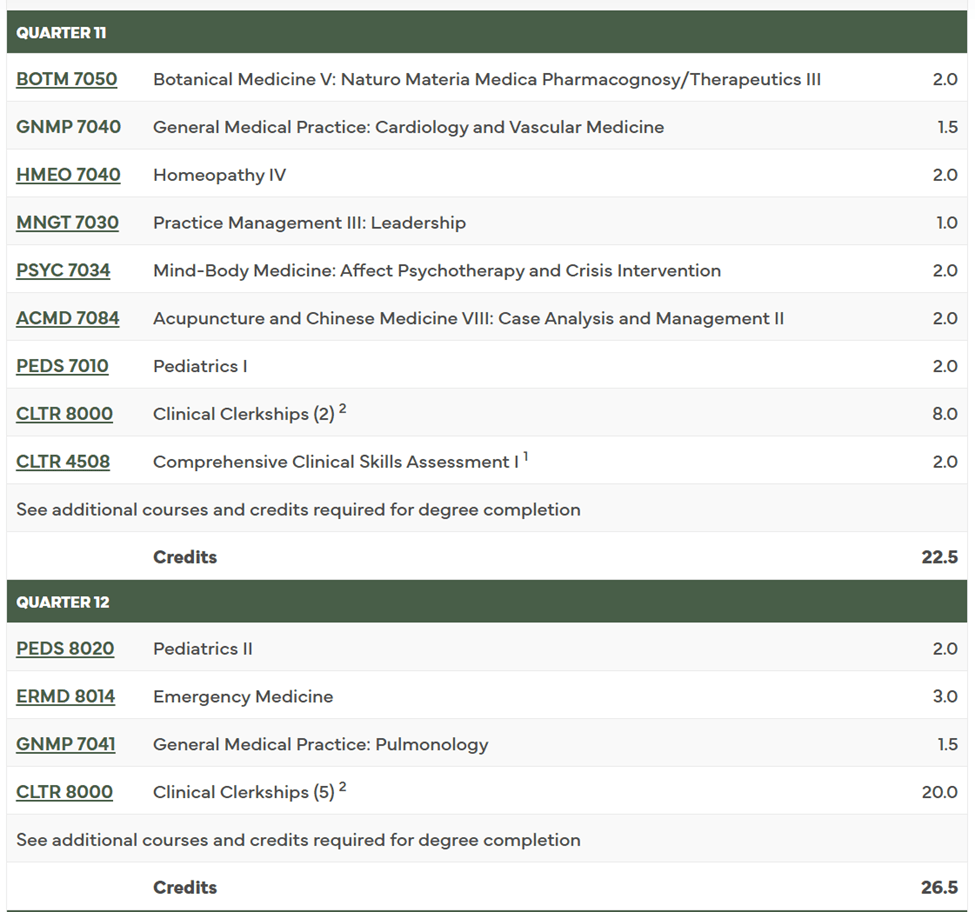
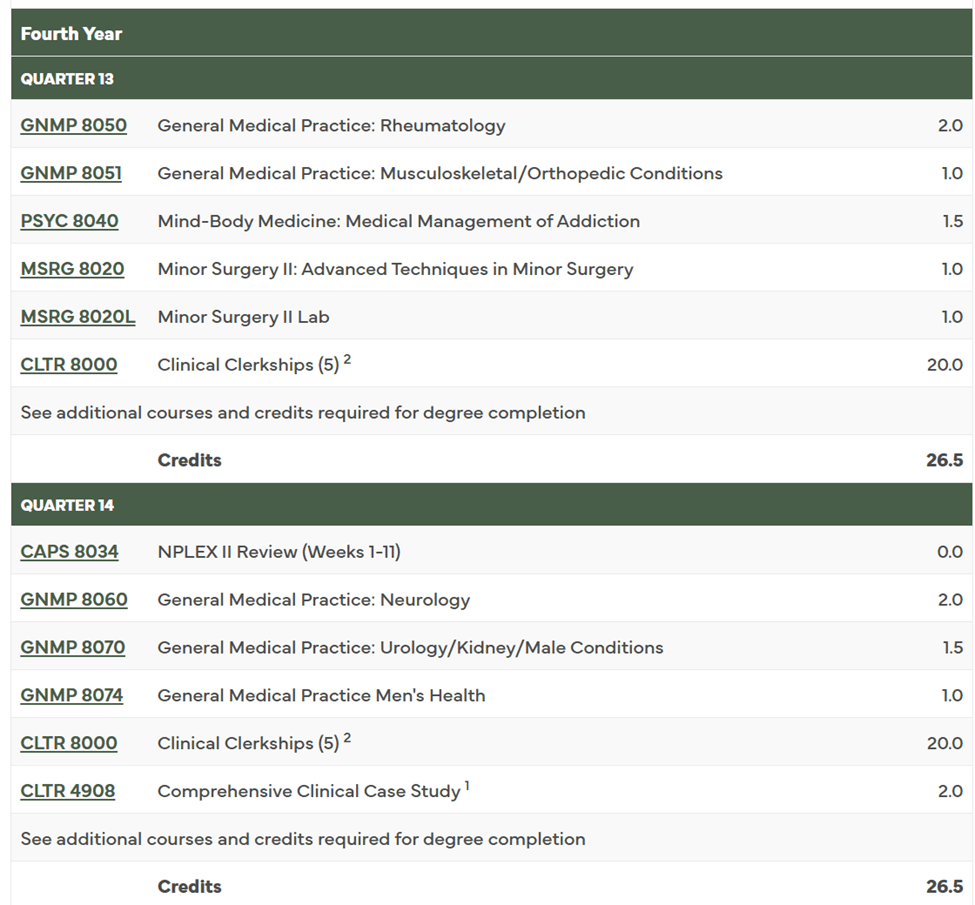
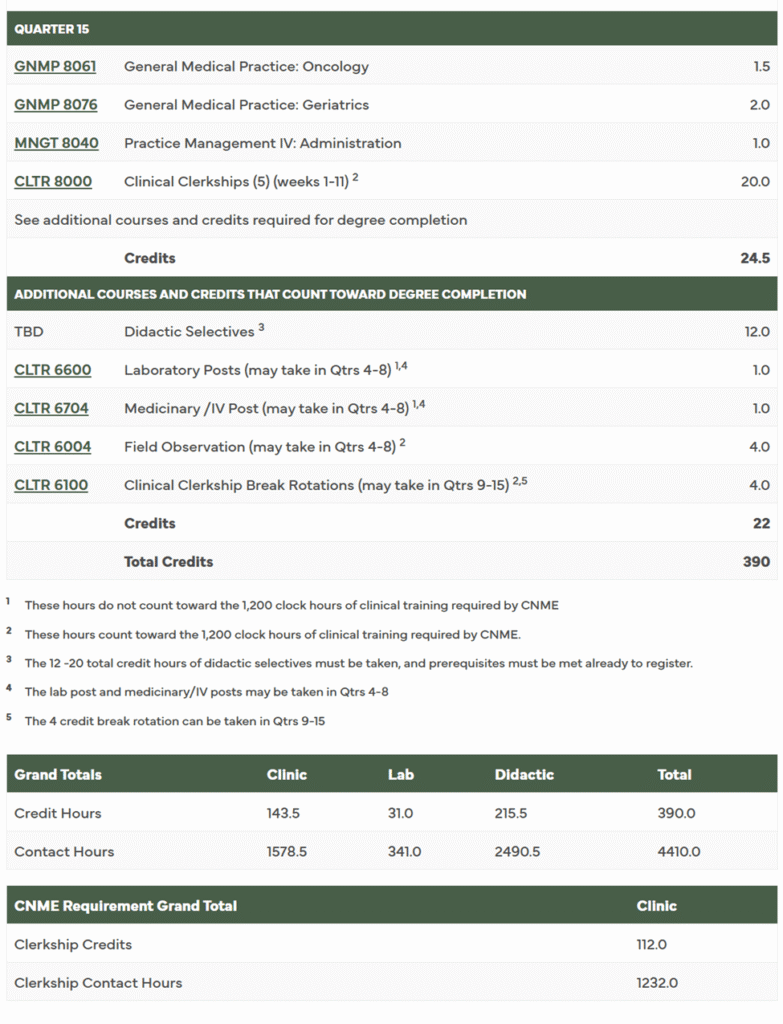
The naturopathic medical schools in the United States are recognized by the US Department of Education. The Council on Naturopathic Medical Education (CNME) is the organization that accredits programs that prepare students to become licensed naturopathic physicians. It is the only naturopathic accreditor that is a member organization of the Association of Specialized and Professional Accreditors (ASPA). Recognized accreditors for allopathic (MD), osteopathic (DO), chiropractic (DC) and other professions are also members of ASPA. CNME has 17 strict eligibility requirements for accreditation that new naturopathic schools must comply with in order to be accredited. CNME site-visits and evaluations are a necessary component of ongoing accreditation.
Another difference between the two curricula is that conventional medical education, MD and DO, gives only a cursory overview of biochemistry
In the conventional medical program, I had only 1.5 courses of biochemistry, and a half course in nutrition (mostly to memorize RDI-type numbers), which were the only required courses in biochemistry and nutrition, before I transferred to naturopathic school. As a result, I had to do remedial work to try to catch up to what my naturopathic classmates already knew about, for example, methylation, glucuronidation, the workings of the Cytochrome P 450 pathways. There was so much biochemistry still for me to learn that in retrospect, I probably should not have been allowed to transfer my biochemistry courses to naturopathic school. That background had been simply too scanty in the conventional medical curriculum.
After only an introductory biochemistry education along with the rest of their training, practicing MDs and DOs are informed about the newest available pharmaceuticals mostly from pharmaceutical representatives. If those doctors had a more comprehensive biochemistry background, they could question the uses and mechanisms of those new drugs, and perhaps avoid common adverse reactions or poor polypharmacy combinations. But as my conventional classmates kept saying about biochemistry, “Nobody cares about all this; you’ll never see it again.” In my case, they could not have been more mistaken. I feel the need to review one or another topic in biochemistry at least several times per year up to weekly, and this is usually driven by patient need.
I recently spent several long flights, about 30 hours total, reviewing in as much detail as I could, following all pathways and many references, the first third of a general biochemistry textbook. I look forward to my next long trip, partly because it will entail long hours of uninterrupted review of the next third of that text. And while there is a lot more fun material in the world to read, I know that even after 8 years of practice, perhaps especially due to being away from full-time study for that much time, I can still always use that review of the basic sciences, particularly biochemistry.
While still at my first medical school, only about 6 of us out of 130 students in our class attended the nutrition lectures. Nutrition is not widely appreciated for being advanced, applied biochemistry. The study of how nutrients interact to run the metabolic pathways in our body is very detailed, and beyond the scope of the introductory biochemistry courses that are taught in conventional medical schools. In such schools, nutrition for the most part was not taught. However, at my first school, the conventional medical education, nutrition was taught, not as an elective; we were all enrolled. But when attendance is not mandatory, and you don’t think you’ll need it, many simply don’t show up. So we six, who attended the conventional school’s nutrition class regularly, were the de facto nutrition club, the small portion of our class appreciative of food’s impact on health.
Naturopathic medical school on the other hand has mandatory attendance at all classes. It would have been unthinkable for only 6 of 130 enrolled students to attend any lecture at naturopathic medical school. In my naturopathic school lecture halls the seats were filled with only occasional exceptions. Almost daily testing kept all of us in regular attendance at naturopathic school.
Conventional medical programs are much stronger in patient contacts
Numbers of patients and variety of illnesses seen are much greater in the conventional medical programs. Naturopathic students back in my time were required to have about 700 patient visits before graduating. Conventional medical student patient contacts number well into the thousands. The variety of illnesses seen is also helpful for the diagnostic skills of the conventional medical student. Most naturopathic students don’t get as much variety in acute illnesses seen and treated. However, naturopathic students may sometimes get to observe individual chronic patients for longer than conventional medical students. This observation allows the naturopathic student to follow changes over time in response to treatments. Naturopathic graduates are not yet able to have the residencies that conventional medical graduates have; there are just not enough such programs for all graduates, so we naturopathic graduates are especially appreciative of our internships, preceptors and other mentor physicians whom we shadow, and who tutor us in day-to-day realities of being a doctor.
Although I passed all of my coursework in my conventional medical curriculum, and was allowed to transfer almost all of it to the naturopathic school, I still had to go through the entire four years of the naturopathic curriculum. Six to eight successive courses in each of nutrition, botanical medicine, physical medicine, homeopathy and Traditional Chinese Medicine had to be taken in order, and it would have ripped the tapestry of planned interdisciplinary pedagogy to have attempted this in less than the four years. Besides the naturopathic modalities, there is so much of conventional medicine that is taught more thoroughly in naturopathic medical school, such as full-term courses in all of the following: obstetrics, pediatrics, gynecology, otorhinolaryngology, neurology, dermatology, cardiology, pulmonology, gastroenterology, endocrinology, rheumatology, orthopedics, urology, hematology, oncology, emergency medicine and geriatrics.
I am deliberately not naming the schools that I attended; my point is not to slander any of them. I have no hostility to any of them, and would rather not start a feud over which side has the most academic rigor. Rather, I have hoped to highlight some differences in the two kinds of medical education that very few people get to experience and compare, especially for those who may be considering a choice between the two.
I found naturopathic medical education to be more intellectually rigorous, even from the first year, and I have only appreciation and no regrets about transferring. My naturopathic medical education is essential to every interaction, the way that I listen to patients, every assessment and treatment plan for every patient appointment.
I now have a hard time imagining the practice of medicine (in a way that is most helpful to the patient) without that naturopathic background. Respecting the breadth of experiences and superior patient exposure of MDs and DOs, I am nevertheless convinced that I am a more effective doctor due to the listening, appreciating, breadth of treatment options and analytical skills acquired during naturopathic medical education than I would have been without it.
Colleen Huber, NMD, CTP, FNORI