

A...
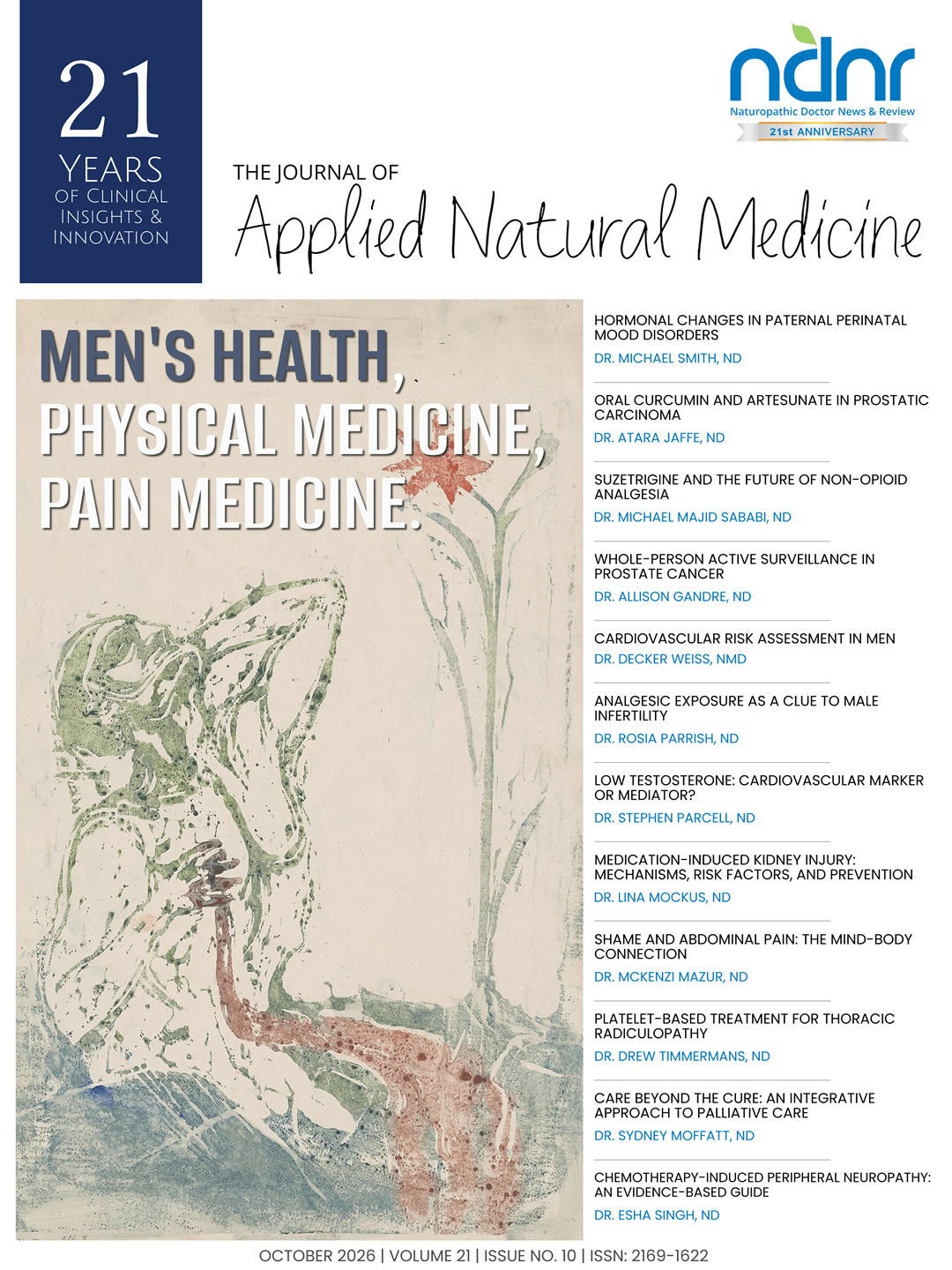
Chemotherapy-Induced Peripheral Neuropathy: An Evidence-Based Guide for Naturopathic Physicians
read more
A recent study looking at antidepressants in the treatment of chronic pain has shown that at lower doses (such as typically used for chronic pain), antidepressants display a distinct side effect profile from that seen in the treatment of depression (at higher doses).1 Chronic pain is an extremely difficult symptom to manage, and many patients and physicians find themselves at a loss, as over the counter analgesics do not work, and opiate medications are not smart for long term management of pain. Often Antidepressants are attempted. The dose is often lower than that used for depression. These pharmaceuticals are often very effective, but just because they are being used at a lower dose, doesn’t mean that they don’t have side effects.
The research study is an effort to help doctors choose between antidepressants, of which there are many types, all presenting with varied side effect profiles. The meta-analysis looked at numerous antidepressants of different types, and analyzed their unique side effect profile. The thought is that some people may be better able to tolerate some side effects better than others. Interestingly, these side effects are different than those seen when these same agents are used for depression; many cardiovascular side effects were not seen. All the agents were found to have significant side effects compared to placebo, and none were superior (less side effects) than others.
Amitriptyline, mirtazapine, desipramine, venlafaxine, fluoxetine, and nortriptyline showed the highest risk of side effects, with duloxetine and venlafaxine as well as desipramine and milnacipran having the highest withdrawal likelihood due to side effects. The most frequent side effects seen in the study were: dry mouth (highest in desipramine, amitriptyline, nortriptyline, and mirtazapine), dizziness (highest in mirtazapine), nausea (highest in venlafaxine, duloxetine and milnacipran; lowest in amitriptyline), headache (highest in amitriptyline and desipramine), constipation (equal among all TCAs and SSRIs), palpitations (highest in amitriptyline and milnacipran), sweating (highest in desipramine, duloxetine, and milnacipran), and drowsiness (highest in despramine and nortriptyline).
Source
 Node Smith, ND, is a naturopathic physician in Portland, OR and associate editor for NDNR. He has been instrumental in maintaining a firm connection to the philosophy and heritage of naturopathic medicine among the next generation of docs. He helped found the first multi-generational experiential retreat, which brings elders, alumni, and students together for a weekend camp-out where naturopathic medicine and medical philosophy are experienced in nature. Four years ago he helped found the non-profit, Association for Naturopathic ReVitalization (ANR), for which he serves as the board chairman. ANR has a mission to inspire health practitioners to embody the naturopathic principles through experiential education. Node also has a firm belief that the next era of naturopathic medicine will see a resurgence of in-patient facilities which use fasting, earthing, hydrotherapy and homeopathy to bring people back from chronic diseases of modern living; he is involved in numerous conversations and projects to bring about this vision.