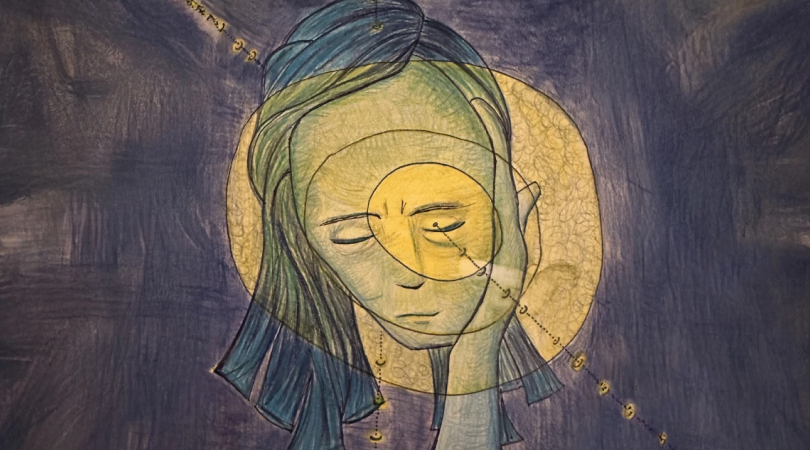
Deborah Frances RN, ND A 14-year journey from “unexplained headaches” to confirmed HSV-2 meningitis, highlighting how accurate diagnosis, antiviral botanicals, and individualized homeopathic prescribing can control severe neurologic symptoms and cardiac...

Trending Articles
Post-Pandemic Clinical Medicine – Addressing Long-COVID and Vaccine Injuries
An evidence-informed, dysfunction-based approach to evaluating spike protein effects, comorbidities, coagulation abnormalities, immune dysregulation, and mitochondrial dysfunction. Paul S. Anderson, NMD Abstract This clinical update summarizes a structured framework...
Resolution of Chronic Fatigue in a Patient With Post-COVID EBV Reactivation and Mold-Related Illness
Dr. Kasey Holland Hamski, ND A case illustrating the interplay between EBV reactivation, environmental mold exposure, and immune dysregulation in a patient with persistent post-viral fatigue. This case report examines chronic fatigue in a 38-year-old patient with...
Integrative Management of Postural Orthostatic Tachycardia Syndrome (POTS) Following COVID-19: A Case-Based, Longitudinal Approach
Dr. Adelena Izold, ND A systems-based framework addressing autonomic dysfunction, gut–brain signaling, endocrine balance, and metabolic resilience in post-viral dysautonomia. This case report describes the integrative management of a 36-year-old female with post-viral...
Rebuilding the Brain in Chronic Fatigue Syndrome (CFS/ME): A Layered Naturopathic Approach to Neuroinflammation and Mitochondrial Dysfunction
Dr. Vy Simeles, ND, Restorative Health Clinic A case report demonstrating sequential neurorepair, lipid repletion, microbiome stabilization, and mitochondrial support in post-infectious CFS/ME recovery. Abstract This case report details the recovery of a...
Featured Article | Cardiopulmonary Medicine
Light Alcohol Consumption is Probably Not “Healthy”
MASSACHUSETTS GENERAL HOSPITAL Observational research has suggested that light alcohol consumption may provide heart-related health benefits, but in a large study published in JAMA Network Open, alcohol intake at all levels was linked with higher risks of...
Exclusive Content | Cardiopulmonary Medicine
Treating Prehypertension and Hypertension
Stephen Parcell, ND Being male puts a patient at increased risk of getting cardiovascular disease (CVD) mostly because men get CVD approximately 10 years earlier than women. Increased risk begins at age 55 for men and 65 for women. Hormonal factors are hypothesized to...
Advanced Testing for Cardiovascular Disease: Examining Lipoproteins
Dicken Weatherby, ND Heart disease is still the No. 1 killer of men and women in the U.S. According to the National Center for Health Statistics, in 2005, 25.6 million “non-institutionalized” adults were diagnosed with heart disease in the U.S. (Pleis and...
The Psychoenergetic Background of Cardiovascular Diseases
Cardiovascular disease is the leading cause of death in the industrialized nations of the West. The official cause is usually infarction, stroke or heart failure, but of course the underlying vascular damage begins much earlier. We know that in most cases, high blood...
Preventing Heart Attacks and Strokes: Carotid IMT Scanning
Last year, 64% of women and 50% of men who died suddenly of a heart attack had no prior knowledge of their heart disease. Forty to fifty percent of all heart attack patients have a “normal” cholesterol profile. As NDs, we recognize that cholesterol – even abnormally...
The Cardiovascular Effects of Toxins in Our Environment
By Mitch Kennedy, ND Here in the U.S., we are accustomed to hearing the “ozone and smog” alerts during summer, advising the elderly and children to stay indoors. This is not just for the risks to the pulmonary system (asthma, cough, shortness of breath); there also...
The Psychoenergetic Background of Cardiovascular Diseases
Craig Wagstaff, ND Cardiovascular disease is the leading cause of death in the industrialized nations of the West. The official cause is usually infarction, stroke or heart failure, but of course the underlying vascular damage begins much earlier. We know that in most...
Determining Risk for Patients with Metabolic Syndrome
Shaida Sina, ND Cardiovascular risk is a real issue for patients with metabolic syndrome. Chart 1 shows screening flags for metabolic syndrome that should draw your attention to possible future cardiac issues. Metabolic syndrome’s pathology begins with inflammation;...
Preventing Heart Attacks and Strokes: Carotid IMT Scanning
Pushpa Larsen, ND Last year, 64% of women and 50% of men who died suddenly of a heart attack had no prior knowledge of their heart disease. Forty to fifty percent of all heart attack patients have a “normal” cholesterol profile. As NDs, we recognize that cholesterol –...
Archived Case Studies and Featured Content
Ovulation-Triggered Migraine: A Naturopathic Clinical Case Study
By Majid Michael Sababi, ND, DC, MS, MUAc, ABDA A 38-year-old female with predictable mid-cycle and late luteal migraines achieved relief through an integrative approach combining nutrition, botanicals, supplementation, and conventional care. This case study...
Mediterranean Diet and Olive Oil in Women’s Health: Clinical Evidence and Applications
By Dr. Artemis Morris, ND From ancestral kitchen wisdom to modern research, exploring how the Mediterranean diet supports hormonal health, fertility, pregnancy, menopause, and longevity. This article examines the Mediterranean diet as a clinically validated,...
Lactational Mastitis: Naturopathic and Integrative Treatment Protocols
by Dr. Daniella Perri, ND Understanding the causes, symptoms, and evidence-based conventional and alternative therapies — including probiotics, allicin, and therapeutic ultrasound — to support recovery and prevent recurrence. This article explores the...
Naturopathic Dementia Prevention: Clinical Strategies for Neurodegeneration
Dr. Majid Michael Sababi, ND, DC, MS, MUAc, ABDA A practical framework addressing injury load, neuroplastic repair, and multi-domain interventions including lifestyle, diet, sleep, stress, and targeted nutraceutical strategies. This article presents a...
Interpreting the Unusual: Functional Insights from Atypical Breath Test Patterns
Dr. Bradley Bush, ND Unlock hidden patterns in hydrogen and methane testing—learn how atypical breath test results reveal valuable functional insights for gut health and individualized treatment strategies. Abstract Breath testing is a cornerstone diagnostic tool for...
Myasthenia Gravis and the Intestinal Microbiome: Naturopathic Translation into Clinical Practice
Jacob Schor, ND, FABNO Emerging research links gut dysbiosis and low butyrate production to myasthenia gravis. This article explores how naturopathic medicine can translate these findings into safe, patient-centered interventions. Abstract Emerging research suggests...
Akkermansia muciniphila: Clinical Insights on a Next-Generation Probiotic
Sara Love, ND A clinician’s guide to when—and when not—to use A. muciniphila: evidence for gut-barrier support, metabolic and immune effects, pasteurized vs live formulations, and patient selection. Abstract Akkermansia muciniphila is an emerging “next-generation”...
The Gut–Brain Axis: How the Nervous System Shapes Gut Health
Maura Henninger, ND Understanding the gut–brain connection reveals how stress, the autonomic nervous system, and the microbiome shape digestion, immunity, and emotional well-being—and how naturopathic care can restore balance. Abstract The gut–brain axis is a...
Functional Fermentation: Naturopathic Treatment of Entamoeba histolytica
Lauren Geyman, ND This case highlights how a naturopathic protocol—combining antiparasitic botanicals, targeted probiotics, and fermented foods—successfully eradicated Entamoeba histolytica while restoring gut balance and reducing inflammation. Abstract: Infection...
Early MASH Reversal: Mediterranean Diet and Naturopathic Co-Management
Anna Kolomitseva, ND A 51-year-old woman with severe steatosis and minimal fibrosis achieved early liver and metabolic improvements through a Mediterranean-style diet, low-impact activity, sleep support, and adjunctive nutraceuticals co-managed with conventional...
The Silent Toll: How Celiac Disease Drives Psychiatric and Neurological Disorders
Christine Bowen, ND, FABNG Abstract Celiac disease (CD) is increasingly recognized as a systemic autoimmune condition whose psychiatric and neurological manifestations often precede or overshadow gastrointestinal symptoms. Evidence demonstrates strong associations...
Clinical Commentary: Climate Change, Tick-borne Illness, and the Shifting Landscape of Clinical Practice
Lynn Klassen, ND Carolyn Mukai, ND Rising temperatures and changing habitats are driving the spread of Lyme disease and co-infections into new regions—challenging outdated risk maps, diagnostic tools, and clinical assumptions. Abstract Climate change is expanding the...
Restoring Cellular Integrity: Phospholipid Therapy as a Key Treatment of Refractory Tick-Borne Disease
Melanie Stein, ND A clinical case highlights how intravenous phosphatidylcholine and targeted membrane repair strategies supported lasting recovery in a patient with refractory Lyme and co-infections. Abstract This case describes a 47-year-old female high school...
Oxaloacetate: A Missing Link in CFS, Long-Haul COVID, and Mitochondrial Performance
Chris D. Meletis, N.D. Abstract Long COVID and chronic fatigue syndrome (CFS) share overlapping pathophysiological mechanisms, with mitochondrial dysfunction emerging as a central driver of persistent fatigue, cognitive impairment, and multisystem dysregulation....
The Silent Toll: How Celiac Disease Drives Psychiatric and Neurological Disorders
Christine Bowen, ND, FABNG Abstract Celiac disease (CD) is increasingly recognized as a systemic autoimmune condition whose psychiatric and neurological manifestations often precede or overshadow gastrointestinal symptoms. Evidence demonstrates strong associations...
The Gut–Brain Axis: How the Nervous System Shapes Gut Health
Maura Henninger, ND Understanding the gut–brain connection reveals how stress, the autonomic nervous system, and the microbiome shape digestion, immunity, and emotional well-being—and how naturopathic care can restore balance. Abstract The gut–brain axis is a...
Clinical Commentary: Climate Change, Tick-borne Illness, and the Shifting Landscape of Clinical Practice
Lynn Klassen, ND Carolyn Mukai, ND Rising temperatures and changing habitats are driving the spread of Lyme disease and co-infections into new regions—challenging outdated risk maps, diagnostic tools, and clinical assumptions. Abstract Climate change is expanding the...
Restoring Cellular Integrity: Phospholipid Therapy as a Key Treatment of Refractory Tick-Borne Disease
Melanie Stein, ND A clinical case highlights how intravenous phosphatidylcholine and targeted membrane repair strategies supported lasting recovery in a patient with refractory Lyme and co-infections. Abstract This case describes a 47-year-old female high school...
Oxaloacetate: A Missing Link in CFS, Long-Haul COVID, and Mitochondrial Performance
Chris D. Meletis, N.D. Abstract Long COVID and chronic fatigue syndrome (CFS) share overlapping pathophysiological mechanisms, with mitochondrial dysfunction emerging as a central driver of persistent fatigue, cognitive impairment, and multisystem dysregulation....
Post-Pandemic Clinical Medicine: Addressing Long-COVID and Vaccine Injuries
Post-Pandemic Clinical Medicine: Strategies for Treating Long-COVID and Vaccine-Related Injuries Paul S. Anderson, NMD A comprehensive review of definitions, pathogenesis, diagnostics, and evidence-based therapeutic approaches for managing Long-COVID and...
Unmasking Long COVID: Healing Through Immune Modulation in Adolescents
Sarah Cassidy, ND Abstract Long COVID, or post-acute sequelae of SARS-CoV-2 infection, is an increasingly recognized condition affecting not only adults but also adolescents. Though often underdiagnosed in younger populations, it can present with a wide range of...
Treating Intestinal Parasites in a Lactating Woman with Classical Homeopathy: A Case Study
Miriam Wheeler, ND, DHANP (DABHM) A clinical case study demonstrating the successful eradication of Dientamoeba fragilis with Aloe socotrina in a lactating patient—offering a safe alternative to conventional antiparasitic medications. Abstract This case study details...
Polyarthralgia with Rash: A Case of Parvovirus Arthritis Mimicking Post-Streptococcal Sequelae
Prabhjot Chohan, ND, MD (India), CCRA Abstract Parvovirus B19 infection in adults can present with polyarthralgia and rash, often resembling post-streptococcal sequelae such as acute rheumatic fever or reactive arthritis. This case describes a 36-year-old female with...
The Diagnosis and Treatment of Babesiosis: A Naturopathic Approach to an Emerging Tick-Borne Disease
By Alexis Chesney, MS, ND, LAc Abstract Babesiosis is an emerging tick-borne parasitic infection in the United States caused primarily by Babesia microti and Babesia duncani. Transmitted by Ixodes ticks, babesiosis has expanded beyond its traditional strongholds in...
Custom Publishing
No Results Found
The page you requested could not be found. Try refining your search, or use the navigation above to locate the post.
Featured News
Resveratrol–Copper Combination Suppresses Glioblastoma Growth and Restores Immune Function
Tumor proliferation suppressed, immune function restored, and harmful DNA cleared with no adverse reactions reported Glioblastoma multiforme (GBM) remains among the deadliest primary brain cancers, notoriously resistant to current treatments. A 2025 pilot clinical...
Pharmacists Continue to Dispense Antidepressants Despite Hesitation, Study Finds
Pharmacists Fear Discussing Antidepressant Risks, Leaving Patients Uninformed and Overmedicated The Serotonin Theory Has Been Debunked For decades, depression treatments rested on a simple theory: low serotonin caused depression. An expansive, rigorous analysis of...