

A...
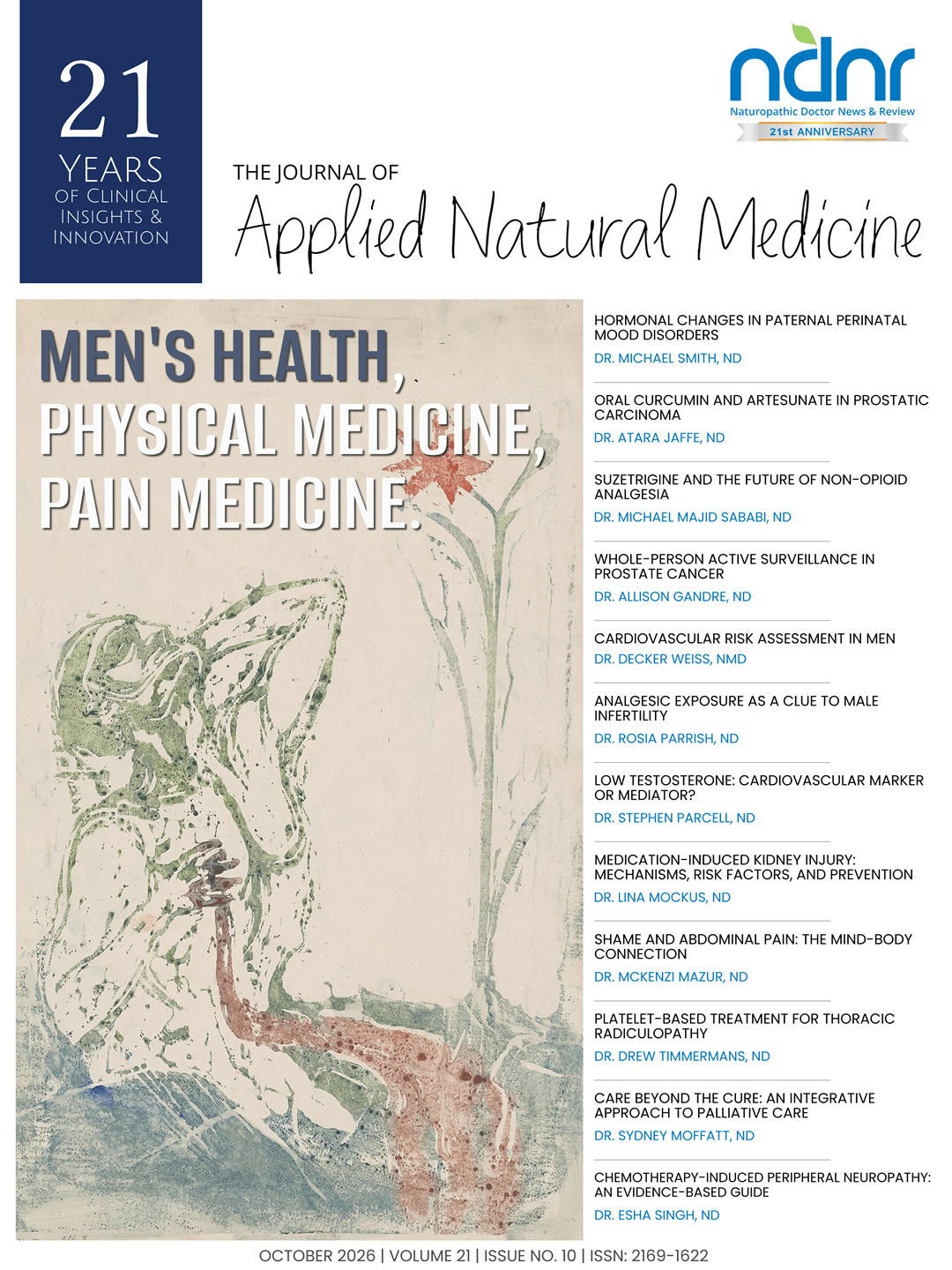
Chemotherapy-Induced Peripheral Neuropathy: An Evidence-Based Guide for Naturopathic Physicians
read more
Researchers at the Stanford University School of Medicine have been looking at a new method of screening pharmaceutical drugs for toxicity1 before they even enter into human trials. Joseph Wu, MD, Ph.D, Director of the Stanford Cardiovascular Institute and Professor of Cardiovascular Medicine and Radiology, and his team have been specifically testing tyrosine kinase inhibitors for cardiotoxicity. Tyrosine kinase inhibitors are a popular and often effective form of chemotherapy used on many types of cancers, but they can have some severe side effects, including prolongation of the QT interval, arterial and venous events, and heart failure. The current research is being conducted primarily on these cardiotoxic side effects with hopes to develop a “chemotherapy drug scorecard,” which would help oncologists and physicians better choose safer drug options, as well as screen for the safety of drugs under development before they even get to human trials.
“This type of study represents a critical step forward from the usual process running from initial drug discovery and clinical trials in human patients,” said Wu. “It will help pharmaceutical companies better focus their efforts on developing safer drugs, and it will provide patients more effective drugs with fewer side effects.”
Using lab-grown cardiomyocytes, they’ve tested 21 commonly used tyrosine kinase inhibitors, monitoring rhythmicity, efficiency, and electrophysiological response, as well as how the cardiomyocytes are communicating with one another. The treatment with the drug at levels taken by patients often caused beat irregularity and cell death. The cells also showed differences in electrophysiological signaling that controls contraction. These findings were compiled to create a cardiac safety index for each drug. Some of the drugs tested have already been pulled from the market for their cardiotoxic effects. Wu acknowledges that ““[t]here is a critical need for a way to ‘safety test’ all drugs earlier in development before they are administered to patients. Our drug safety index is a step in that direction.” The next step is validating this cardiac-safety test on drugs with extensive clinical use records before the assay will be able to be used to predict the likelihood of clinical outcomes of drugs still in development.
An additional discovery of interest was that 3 of the drugs tested also ramped up the activity of signaling pathways for insulin or IGF1 (insulin-like growth factor). Since insulin or IGF1 is known to enhance cardiac function during adverse cardiac events – like myocardial infarction – further experiments were conducted. The research team found that exposing cells to insulin or IGF1 extended a cardioprotective effect when tyrosine kinase inhibitors were administered, by blocking VEGFR2 and PDGFR pathways. More research is needed, but this suggests a possible mechanism for alleviating some of the cardiac damage in patients undergoing chemotherapy.
Source:
1. Sharma A, Burridge PW, Wu JC, et al. High-throughput screening of tyrosine kinase inhibitor cardiotoxicity with human induced pluripotent stem cells. Science Translational Medicine. 2017; Vol. 9(377). DOI: 10.1126/scitranslmed.aaf2584
 Node Smith, associate editor for NDNR, is a fifth year naturopathic medical student at NUNM, where he has been instrumental in maintaining a firm connection to the philosophy and heritage of naturopathic medicine amongst the next generation of docs. He helped found the first multi-generational experiential retreat, which brings elders, alumni, and students together for a weekend campout where naturopathic medicine and medical philosophy are experienced in nature. Three years ago he helped found the non-profit, Association for Naturopathic ReVitalization (ANR), for which he serves as the board chairman. ANR has a mission to inspire health practitioners to embody the naturopathic principles through experiential education. Node also has a firm belief that the next era of naturopathic medicine will see a resurgence of in-patient facilities which use fasting, earthing, hydrotherapy and homeopathy to bring people back from chronic diseases of modern living; he is involved in numerous conversations and projects to bring about this vision.