

A...
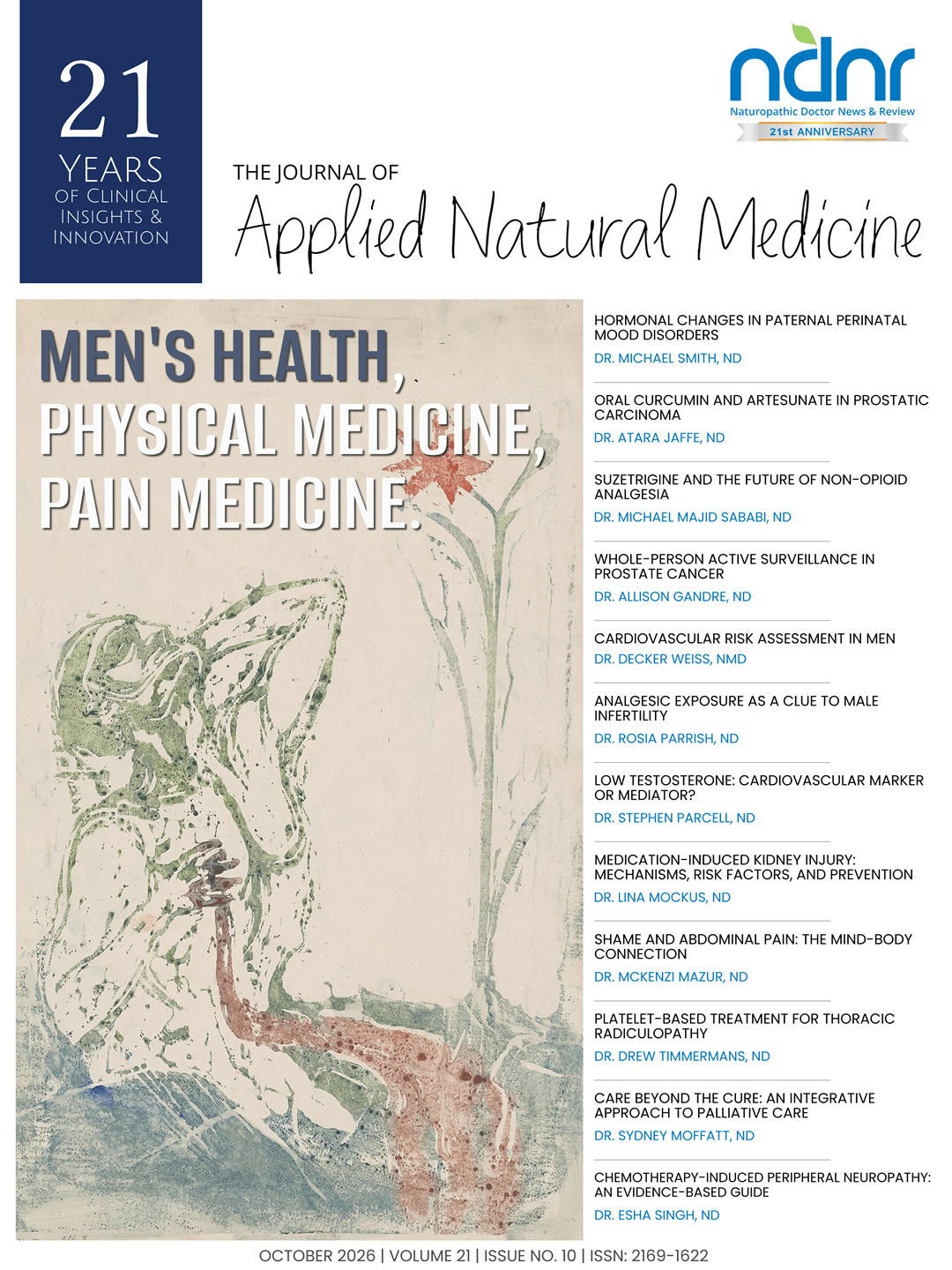
Chemotherapy-Induced Peripheral Neuropathy: An Evidence-Based Guide for Naturopathic Physicians
read more
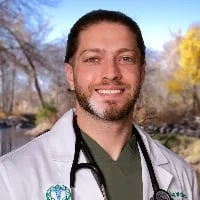
Node Smith, ND
A recent study conducted at Icahn School of Medicine at Mount Sinai suggests that 2 isolated compounds from grapes – dihydrocaffeic acid (DHCA) and malvidin-3′-O-glucoside (Mal-gluc) – may be the future of pharmacological treatment for depression1. The research study also comments that a dietary polyphenol preparation also had an effect in promoting resilience against stress-induced depression. The study was conducted using a murine model.
The novelty of the study is that some of the neurotransmitter specific pathophysiological elements of depression are being addressed by these grape-derived compounds. Depression is known to have multiple pathological processes, such as inflammation of the peripheral immune system as well as abnormalities involving neuro-synapses. Current antidepressants are fairly isolated to addressing the neurotransmitter imbalances, and disregard these other factors.
This new research into grape-derived compounds was initiated after the team at Mount Sinai found a dietary polyphenol blend of concord grape juice, grape seed extract and trans-resveratrol was effective in promoting resilience against stress-induced depression in mice. This link between grape-derived polyphenols and depression is not altogether new, however the mechanism of action has not been elucidated until now.
The research team found that Mal-gluc and DHCA can promote this resilience of depression by modulating synaptic plasticity and inflammation, respectively. Mal-gluc regulates histone acetylation of the Rac1 gene and helps transcription activators to access DNA for increased transcription in the brain, which improves synaptic plasticity. DHCA was seen to reduce interleukin 6 (IL-6) – a pro-inflammatory cytokine – by regulating a non-coding segment of the IL-6 gene. The researchers did demonstrate that these isolated compounds were effective in reducing depression phenotypes in a mouse model.
The research is hopeful to continue to develop these novel compounds into new therapeutic agents. It should also be noted that the plant juices and extracts from which these synthesized agents came, are already available and not under patent.
Source:
 Node Smith, ND, is a naturopathic physician in Portland, OR and associate editor for NDNR. He has been instrumental in maintaining a firm connection to the philosophy and heritage of naturopathic medicine among the next generation of docs. He helped found the first multi-generational experiential retreat, which brings elders, alumni, and students together for a weekend camp-out where naturopathic medicine and medical philosophy are experienced in nature. Four years ago he helped found the non-profit, Association for Naturopathic ReVitalization (ANR), for which he serves as the board chairman. ANR has a mission to inspire health practitioners to embody the naturopathic principles through experiential education. Node also has a firm belief that the next era of naturopathic medicine will see a resurgence of in-patient facilities which use fasting, earthing, hydrotherapy and homeopathy to bring people back from chronic diseases of modern living; he is involved in numerous conversations and projects to bring about this vision.