

A...
Chemotherapy-Induced Peripheral Neuropathy: An Evidence-Based Guide for Naturopathic Physicians
read more
Node Smith, ND
A recent study found that middle aged women who are engaged in a high level of physical fitness are 90 percent less likely to develop dementia later in life.1 This is a great finding because many people are under the impression that there is little that can be done to actually prevent cognitive degenerative diseases such as Alzheimer’s and dementia. There are recent studies which support diet playing a big role in the development of these conditions, and now perhaps physical activity is giving another tool to stave off mental decline.
The study looked at peak cardiovascular capacity of 191 women – average age of 50 years. A bicycle test was used, during which participants were asked to cycle until they were too tired to continue. A total of 40 women were found to fulfill the criteria for a high fitness level – 92 women occupied the lowest fitness category or had to end the test early due to chest pain, high blood pressure, or other cardiovascular condition.
These women were then followed for 44 years. Over this time the participants were subjected to dementia testing 6 times. 44 women developed dementia, of which only 5 percent were within the high physical fitness category in their middle years – 25 percent were women with moderate fitness level, and 32 percent were of poor physical fitness, and 45 percent of those who discontinued the exercise test went on to develop dementia.
The overall conclusion of the study was that physically fit women were 88 percent less likely to suffer from dementia compared to moderately fit or non-fit women. Also, the women who were highly fit, who did develop dementia did so much later in life – 11 years later (79 years of age versus 90 years).
Source:
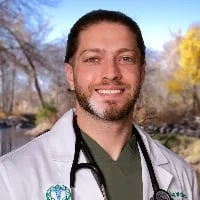
 Node Smith, ND, is a naturopathic physician in Portland, OR and associate editor for NDNR. He has been instrumental in maintaining a firm connection to the philosophy and heritage of naturopathic medicine among the next generation of docs. He helped found the first multi-generational experiential retreat, which brings elders, alumni, and students together for a weekend camp-out where naturopathic medicine and medical philosophy are experienced in nature. Four years ago he helped found the non-profit, Association for Naturopathic ReVitalization (ANR), for which he serves as the board chairman. ANR has a mission to inspire health practitioners to embody the naturopathic principles through experiential education. Node also has a firm belief that the next era of naturopathic medicine will see a resurgence of in-patient facilities which use fasting, earthing, hydrotherapy and homeopathy to bring people back from chronic diseases of modern living; he is involved in numerous conversations and projects to bring about this vision.