

A...
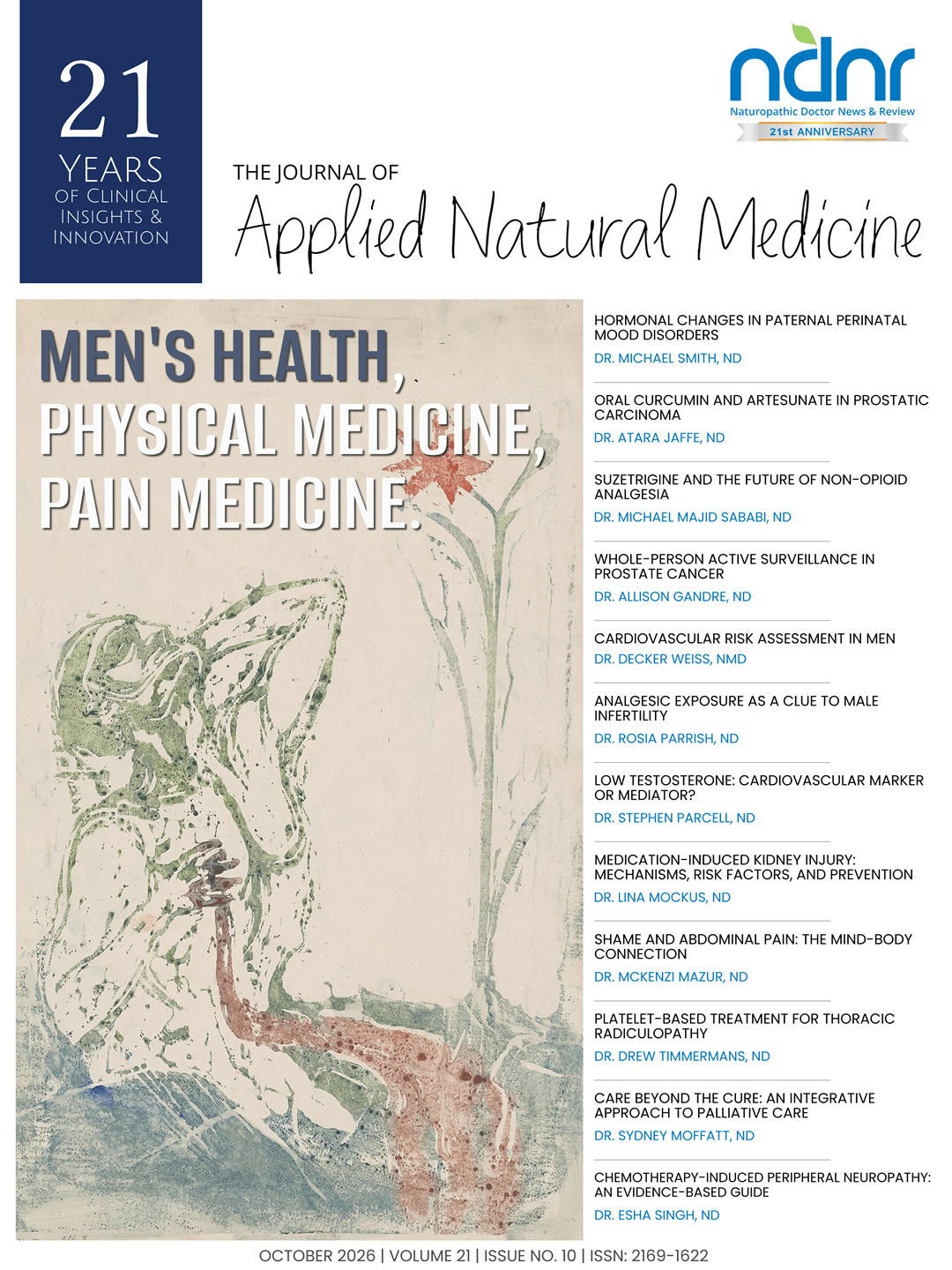
Chemotherapy-Induced Peripheral Neuropathy: An Evidence-Based Guide for Naturopathic Physicians
read more
Node Smith, ND
A recent study has shown that microbiome diversity may influence atherosclerosis.1 The research is being conducted at the MRC and British Heart Foundation.
There is a growing interest in the gut microbiome’s relationship with various diseases and disorders. Diversity, or a lack thereof, within the microbiota of the gut is now considered to have connections to many diseases, such as obesity, IBS, and diabetes. The case is even being made for a gut floral connection with certain mental health conditions. The idea that the gut microbiome could be influencing atherosclerosis shouldn’t be overall surprising.
Atherosclerosis is a major risk factor in cardiovascular disease, the leading cause of death in the United States for both men and women. This research indicates that probiotics may be included to other recommendations to improve cardiovascular health and lower heart attack risk.
The study looked at 617 middle-aged female twins. Carotid-femoral pulse-wave velocity (PWV) was utilized to measure atherosclerosis – this is a gold-standard diagnostic tool. The diversity of gut bacteria was also assessed in participants. The study found a relationship between gut biodiversity and arterial health in all participants. Arterial stiffness was more significant in women with lower levels of diversity in gut bacteria. This relationship held when accounting for blood pressure and metabolic factors.
It was seen that the same species of bacteria that are associated with a lower risk of obesity were also correlated to lower risk of arterial stiffening.
Source:
 Node Smith, ND, is a naturopathic physician in Portland, OR and associate editor for NDNR. He has been instrumental in maintaining a firm connection to the philosophy and heritage of naturopathic medicine among the next generation of docs. He helped found the first multi-generational experiential retreat, which brings elders, alumni, and students together for a weekend camp-out where naturopathic medicine and medical philosophy are experienced in nature. Four years ago he helped found the non-profit, Association for Naturopathic ReVitalization (ANR), for which he serves as the board chairman. ANR has a mission to inspire health practitioners to embody the naturopathic principles through experiential education. Node also has a firm belief that the next era of naturopathic medicine will see a resurgence of in-patient facilities which use fasting, earthing, hydrotherapy and homeopathy to bring people back from chronic diseases of modern living; he is involved in numerous conversations and projects to bring about this vision.