

A...
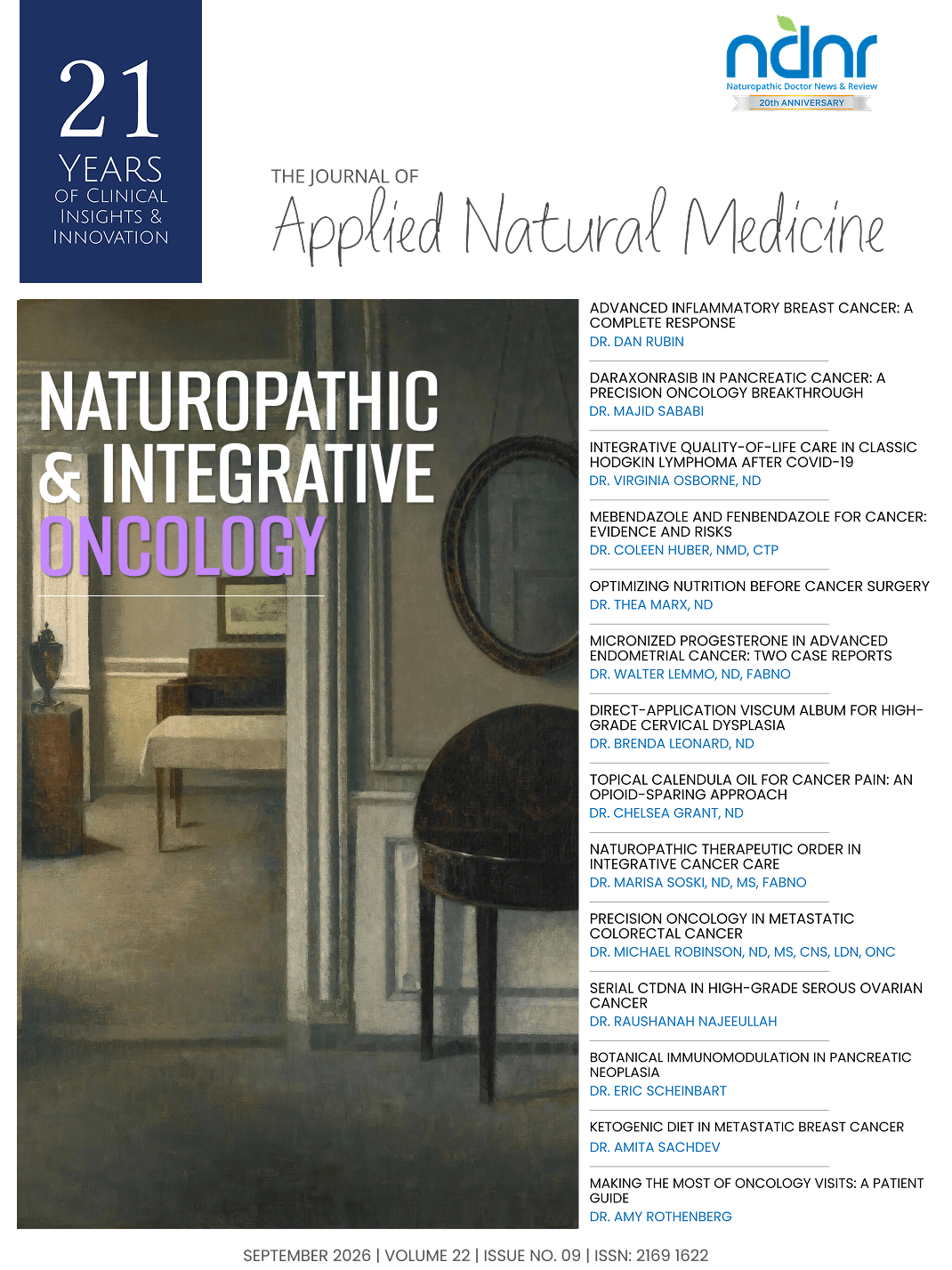
Chemotherapy-Induced Peripheral Neuropathy: An Evidence-Based Guide for Naturopathic Physicians
read more
An article published online in the journal, Gut, note that heartburn medications alter the gut. Americans turn to acid blockers known as proton-pump inhibitors (PPIs) to treat gastric conditions, including indigestion, peptic ulcers and acid reflux. Surveys suggest they are widely overused and also could do more harm than good.
“In fact, two new studies found that PPOs alter gut bacteria in ways that could increase the risk for dangerous intestinal infections, adding to a body of research highlighting the drugs’ adverse effects.”
Through sequencing the bacterial DNA in the fecal matter of 1,815 people the researchers were able to understand the subjects’ intestines. Among other things, the study revealed that PPI users had less gut bacterial diversity.
One researcher notes that, “PPIs may limit the gut’s diversity by reducing its acidity and thus creating an environment that is more or less amenable to certain microbes. And that imbalance could then lead to infection. Also, because a person’s microbiome can also influence intestinal absorption of calcium and other vitamins and minerals, these drug-induced changes could explain why people who take PPIs are more likely to fracture certain bones and have nutritional deficiencies.
 Razi Berry, Founder and Publisher of Naturopathic Doctor News & Review (ndnr.com) and NaturalPath (thenatpath.com), has spent the last decade as a natural medicine advocate and marketing whiz. She has galvanized and supported the naturopathic community, bringing a higher quality of healthcare to millions of North Americans through her publications. A self-proclaimed health-food junkie and mother of two; she loves all things nature, is obsessed with organic gardening, growing fruit trees (not easy in Phoenix), laughing until she snorts, and homeschooling. She is a little bit crunchy and yes, that is her real name.