

A...
Chemotherapy-Induced Peripheral Neuropathy: An Evidence-Based Guide for Naturopathic Physicians
read more
Node Smith, ND
At this year’s annual meeting of the European Society of Endocrinology, researchers presented on chemicals in everyday products that may be adding to the obesity epidemic by interfering with hormones that regulate fat production and metabolism.1 Endocrine disrupting chemicals in pesticides, personal care products, and other household items like plastic coatings, paints, and cleaning chemicals are nothing new, and the holistic health community have been talking about their effects on health for decades. Having an internationally recognized endocrinological medical group comment on how these everyday products may be affecting the obesity epidemic is a big step forward.
Obesity is an increasing concern for people all over the globe, with drastic increases in unhealthy weights in babies and young children. Diet and lifestyle alone do not seem to account for the drastic nature of this trend, which underlies many of our most prevalent health concerns today.
These chemicals that interfere with how our body metabolizes and stores fat are being called “obesogens.” It is being suggested that they are a factor in the drastic increases in obesity rates. Obesogens are thought to reprogram cells, making them promote more fat accumulation through increasing the number and size of adipocytes – fat cells – and by increasing appetite. These chemicals also make it more difficult to lose fat by changing the body’s metabolism. These are chemicals that can be found in plastics, flame retardants, repellent coatings on kitchen utensils and clothing, pesticides, and artificial sweeteners.
The recommendations coming out of the European Society of Endocrinology include the following:
Source
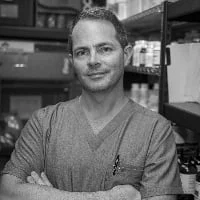
 Node Smith, ND, is a naturopathic physician in Portland, OR and associate editor for NDNR. He has been instrumental in maintaining a firm connection to the philosophy and heritage of naturopathic medicine among the next generation of docs. He helped found the first multi-generational experiential retreat, which brings elders, alumni, and students together for a weekend camp-out where naturopathic medicine and medical philosophy are experienced in nature. Four years ago he helped found the non-profit, Association for Naturopathic ReVitalization (ANR), for which he serves as the board chairman. ANR has a mission to inspire health practitioners to embody the naturopathic principles through experiential education. Node also has a firm belief that the next era of naturopathic medicine will see a resurgence of in-patient facilities which use fasting, earthing, hydrotherapy and homeopathy to bring people back from chronic diseases of modern living; he is involved in numerous conversations and projects to bring about this vision.