by Dr. Daniella Perri, ND
Understanding the causes, symptoms, and evidence-based conventional and alternative therapies — including probiotics, allicin, and therapeutic ultrasound — to support recovery and prevent recurrence.
This article explores the pathophysiology and management of lactational mastitis, a common postpartum condition affecting up to one in four breastfeeding women. It reviews both conventional medical approaches and emerging natural treatments — such as probiotics, allicin, and therapeutic ultrasound — that can reduce inflammation, restore breast health, and support continued breastfeeding success.
What is Mastitis?
Breastfeeding can be a steep learning curve for a lot of women. Not only do mothers have to manage latch, positions, and feeding on demand, they also have to face challenges such as engorgement, clogged milk ducts, and mastitis. As a result, many women’s breastfeeding journeys end prematurely. Lactational mastitis is a term used to describe inflammation of the mammary glands, ducts and surround connective tissue during breastfeeding. Consequently, narrowing of the milk ducts prevents optimal flow causing a mass that is felt by the affected mother. About one in four women will be affected by mastitis during the first 26 weeks of breastfeeding.1 Of the women affected, approximately 2-20% will experience some combination of pain, erythema (skin redness), induration (breast hardness), and swelling.2
Lactational mastitis can be noninfectious or infectious with 3-15.8% of women developing an abcess.2 When an infection is present, systemic symptoms such as malaise, fever and chills are observed. Some risk factors that are associated with the development of lactational mastitis include nipple injury, breastfeeding difficulties, hyperlactation, excessive breast pump use and previous history of mastitis,2 with nipple trauma being the most common risk factor.1 Nipple trauma is generally a result of poor latch; and so, the cycle continues.
How is Mastitis Treated?
Conventional treatment for mastitis has commonly been antibiotics. However, current studies suggest that if a woman has mild symptoms and/or shows resolution within 48 hours, she may not require antibiotic treatment at all. In fact, due to drug resistance, this treatment often lacks efficacy and furthermore, the use of prophylactic antibiotics in the postpartum period is not protective.3
Nonpharmaceutical treatments include rest, continuing physiologic breastfeeding/milk expression, over-the-counter nonsteroidal and analgesic medications, and monitoring for symptom progression.1 Other symptom relief efforts include psychosocial support, avoiding the use of nipple shields that may result in poor milk extraction while feeding, not performing self deep tissue breast massages as this could further exacerbate the inflammation, avoiding the removal of nipple blebs and applying cool compresses for comfort.3 Frequent drainage of the affected breast to prevent milk stasis is another treatment option that is aimed at preventing abscess formation. However, continuously draining the breast can also lead to hyperlactation, pain, and recurrent abscess formation.4
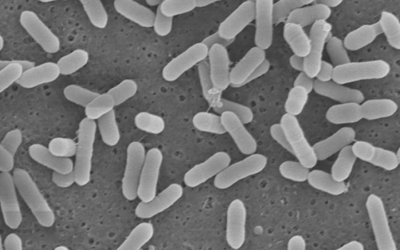
Studies have demonstrated that the breastmilk of healthy lactating women contains potentially pathogenic bacteria, and that women with mastitis are more commonly known to have staphylococcus aureus present within their breastmilk. The theory is that bacteria enters the breastmilk through cracks in the nipple. Coupled with inflammation, this makes for a great foundation for mastitis to settle in. So, what other options do mothers have?
Alternative Treatment Options for Mastitis
The Power of Probiotics
While it has been mentioned that rest, continued breastfeeding and pharmaceutical pain management are common ways to treat mastitis, there are more specific treatment avenues that can reduce inflammation and help prevent mastitis progression. A meta-analysis of recent clinical trial data concluded that the use of probiotics containing Lactobacillus fermentum and Lactobacillus salivarius significantly reduced the bacterial count in human breastmilk; thus, reducing the incidence of mastitis.4
How this works is that nonpathogenic bacteria can cross the intestinal epithelium and make its way to the breast tissue via immune cells, particularly dendritic cells. Further in vivo studies with mice have demonstrated that an intestinal dysbiosis translated to mastitis symptoms and that the administration of probiotics reversed these symptoms.4 This puts a new meaningful importance to postpartum gut health and how probiotics play a role in supporting the maternal gut microbiome.
Allicin, Nature’s Antimicrobial
Allicin is a sulfur containing chemical compound that is found in and is responsible for the distinguished odour of garlic (Allium Sativum L.). In a dose dependant manner, allicin can not only inhibit the proliferation of antibiotic resistant bacterial strains such as, methicillin-resistant staphylococcus aureus (MRSA), but also reduce inflammation by inhibiting various immune factors.5 A recent in vitro study demonstrated that the application of allicin to cow mammary epithelial cells, significantly reduced the levels of inflammatory cytokines. The authors further concluded that treatment with allicin, ameliorated mice with lipopolysaccharaide (LPS)-induced mastitis.6 This gives rise to the potential of allicin being a non pharmaceutical therapeutic tool in the treatment of mastitis and prevention of abscess formation and/or recurrence.
Therapeutic Ultrasound Therapy
Since the etiology of mastitis is inflammation, it seems logical to focus on treatments that aim to reduce that inflammation to provide symptom relief. One such option is low intensity pulsed ultrasound (LIPUS). LIPUS has been demonstrated as an effective, non-invasive tool across many applications, including inhibiting inflammatory responses.7 LIPUS treatment employs ultrasound frequencies of 1-3MHz, thus creating minimal thermal effects without compromising the transmission of acoustic energy to target tissues. The application of ultrasound tissue stimulation was demonstrated to reduce pro-inflammatory cytokines in synovial tissue, thus suggesting a new medical treatment for joint diseases. However, this application can be expanded to other tissues as well.
A recent case study describes the successful use of ultrasound treatment in a woman with severe mastitis.7 The treatment included continuous ultrasound therapy with 1MHz frequency and a duration of 5 minutes for each breast. After 5 consecutive days of treatment, the patient reported significant improvement in pain, induration, redness and edema.7 Other case studies using pulsed ultrasound therapy. demonstrated similar results in women with lactational mastitis.8,9,10
Concluding Thoughts
The purpose of ameliorating the symptoms of mastitis is to allow mothers to enjoy their breastfeeding journeys. In the preliminary stages, rest, cold applications, probiotics and therapeutic ultrasound can provide significant relief and often resolution of mastitis. In more severe cases where the mastitis is infectious, evidence suggests that allicin may be an effective antimicrobial agent to help treat women whose milk cultures have tested positive for staphylococcus aureus and further prevent abscess formation. When antibiotics are deemed necessary, naturopathic treatments can still be employed. Therapeutic ultrasound can be used concomitantly, in addition to probiotics to support the maternal gut microbiome. Taken together, the goal is to prevent early cessation of breastfeeding to allow women to achieve their breastfeeding goals.
References
- Wilson, E., Woodd, S. L., & Benova, L. (2020). Incidence of and Risk Factors for Lactational Mastitis: A Systematic Review. Journal of human lactation : official journal of International Lactation Consultant Association, 36(4), 673–686.
- Louis-Jacques, A. F., Berwick, M., & Mitchell, K. B. (2023). Risk Factors, Symptoms, and Treatment of Lactational Mastitis. JAMA, 329(7), 588–589.
- Roxo, D., Allan, B., Campos, S., Branco, R., & Bettencourt, M. (2024). Evidence and Case Report in a Portuguese Hospital: Is Therapeutic Ultrasound a Viable Solution in the Treatment of Mastitis?. Cureus, 16(8)
- Yu, Q., Xu, C., Wang, M., Zhu, J., Yu, L., Yang, Z., Liu, S., & Gao, X. (2022). The preventive and therapeutic effects of probiotics on mastitis: A systematic review and meta-analysis. PloS one, 17(9)
- Borlinghaus, J., Albrecht, F., Gruhlke, M. C., Nwachukwu, I. D., & Slusarenko, A. J. (2014). Allicin: chemistry and biological properties. Molecules (Basel, Switzerland), 19(8)
- Che, H. Y., Zhou, C. H., Lyu, C. C., Meng, Y., He, Y. T., Wang, H. Q., Wu, H. Y., Zhang, J. B., & Yuan, B. (2023). Allicin Alleviated LPS-Induced Mastitis via the TLR4/NF-κB Signaling Pathway in Bovine Mammary Epithelial Cells. International journal of molecular sciences, 24(4), 3805.
- Jiang, X., Savchenko, O., Li, Y., Qi, S., Yang, T., Zhang, W., & Chen, J. (2019). A Review of Low-Intensity Pulsed Ultrasound for Therapeutic Applications. IEEE transactions on bio-medical engineering, 66(10), 2704–2718.
- Priyanka, P., Basavaraj, C., Ramannavar, A., et al. (2016). Comparative effect of ultrasound therapy with conventional therapy on breast engorgement in immediate post-partum mothers: a randomized controlled trial. Integr Mol Med, 3, 553–558.
- Lavigne, V., & Gleberzon, B. J. (2012). Ultrasound as a treatment of mammary blocked duct among 25 postpartum lactating women: a retrospective case series. J Chiropr Med, 11(3), 170–178.
- Lin, K. Y., Shao, W., Tsai, Y. J., Yang, J. F., & Wu, M. H. (2023). Physical therapy intervention for breast symptoms in lactating women: a randomized controlled trial. BMC pregnancy and childbirth, 23(1), 792
Bio:
 Dr. Daniella Perri, ND, CCCE is a naturopathic doctor and CAPPA certified childbirth educator with over 10 years of clinical experience in women’s health. Her gratitude for continued education has allowed her to fine tune her expertise in postpartum health care. Dr. Perri is the founder and director of MotherWell Academy, which is a clinic that strives to provide compassionate care to postpartum women. She is also a retired birth doula, but continues to provide high level support to women striving to become empowered mothers in a clinical setting. Dr. Perri’s practise is located in Innisfil, serving communities in Simcoe County as well as virtually across Ontario. Dr. Perri is also a mother of 3 children, who are at the core of her passion for helping mothers learn, grow and transform. In her spare time, Dr. Perri loves to read and be outside in nature.