

A...
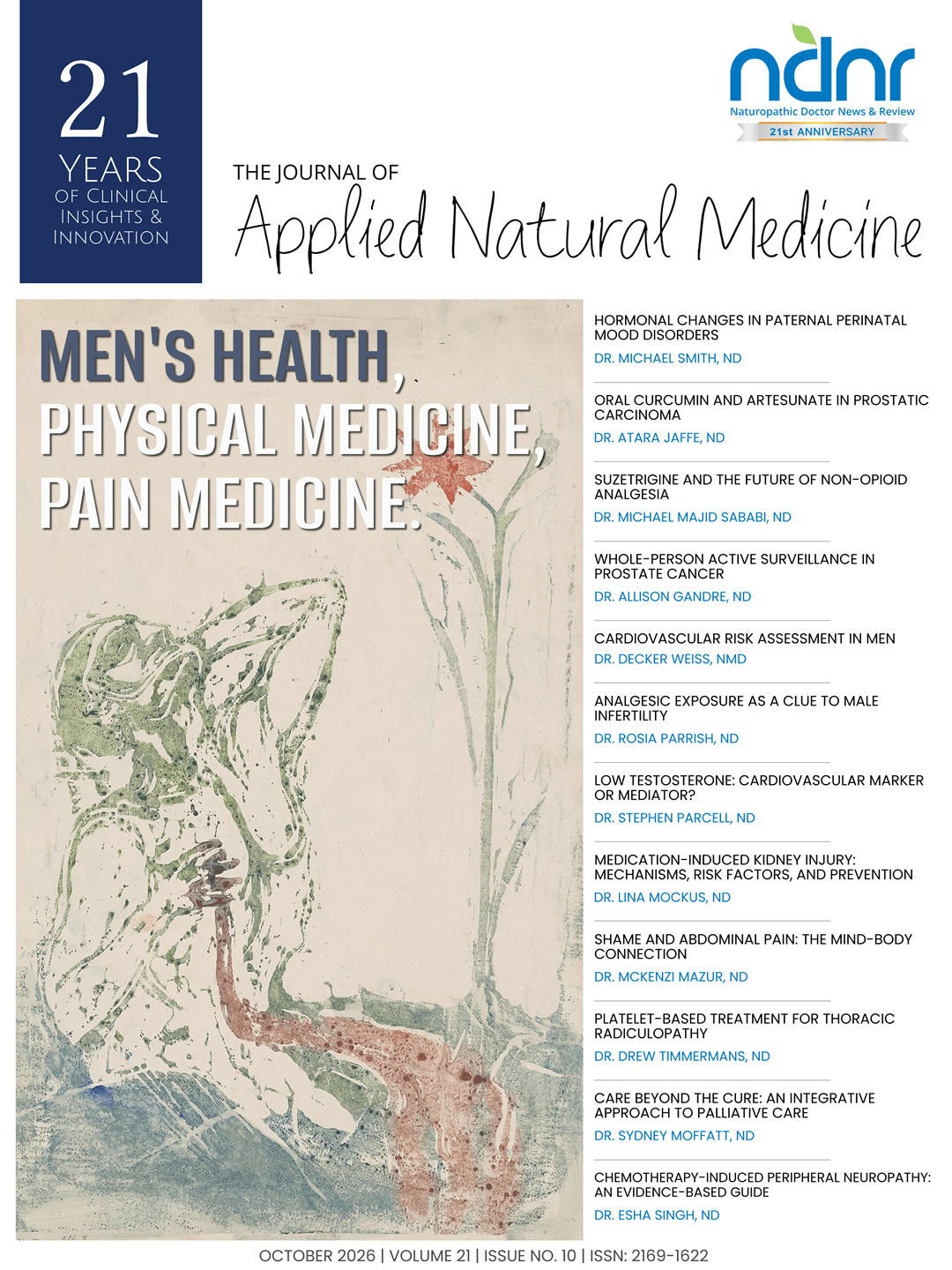
Chemotherapy-Induced Peripheral Neuropathy: An Evidence-Based Guide for Naturopathic Physicians
read more

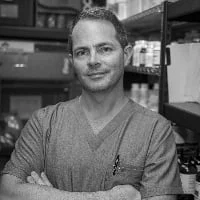
by Majid Michael Sababi, ND, DC, MS, MUAc, ABDA
Discover how hepatic steatosis, insulin resistance, and liver dysfunction contribute to visceral fat accumulation, and explore evidence-informed assessment and treatment strategies that integrate modern hepatology with Traditional Chinese Medicine, Ayurveda, and Iranian Traditional Medicine.
Midline adiposity is more than a consequence of excess calories—it may be an important clinical marker of fatty liver disease and metabolic dysfunction. This article explores the emerging science behind liver-centered obesity while integrating evidence-based strategies from conventional medicine, Traditional Chinese Medicine, Ayurveda, and Iranian Traditional Medicine to support hepatic health and reduce visceral fat.
Central or midline adiposity is strongly associated with cardiometabolic risk and Metabolic Dysfunction-Associated Steatotic Liver Disease (MASLD, formerly NAFLD), yet public discourse continues to frame excess abdominal fat primarily as a consequence of overeating and caloric imbalance. Emerging evidence suggests that hepatic steatosis, insulin resistance, and adipose tissue dysregulation form a bidirectional network in which liver dysfunction is not merely a downstream effect of obesity but a central driver of fat distribution and metabolic risk. This article reviews the pathophysiology of midline fat from the standpoint of contemporary hepatology and endocrinology and then integrates perspectives from Traditional Chinese Medicine (TCM), Ayurveda, and Iranian Traditional Medicine (ITM/Persian Medicine), along with the lesser-known work of Alexander Mikulin on circulation and tissue “sludge.” A liver-centered model of midline adiposity transition is proposed, emphasizing organ-focused assessment and treatment strategies over calorie-centric thinking. Clinical implications for integrative practitioners are outlined, with practical guidance for evaluation, diet and lifestyle prescriptions, botanicals, and movement therapeutics that target hepatic function and visceral fat.
For decades, the dominant narrative around weight gain—particularly abdominal or “midline” fat—has been that it is mainly a matter of excess calories and insufficient exercise. While energy balance is biophysically true, this framing is clinically insufficient. Many patients present with disproportionate accumulation of central fat, features of metabolic syndrome, and laboratory markers of hepatic overload despite caloric intake that is not dramatically excessive compared to lean counterparts. In clinical practice, one repeatedly observes that midline adiposity tracks more closely with hepatic steatosis, insulin resistance, and toxic burden than with calorie counts alone.
Conventional research over the last two decades has increasingly confirmed that liver fat, hepatic insulin resistance, and central obesity form a tightly coupled network of dysfunction. MASLD and metabolic syndrome are now understood to share a bidirectional relationship, and genetically driven MASLD appears capable of promoting central obesity and atypical diabetes phenotypes, not merely the reverse. At the same time, traditional medical systems have, for centuries, placed the liver at the conceptual center of nutrition, blood quality, humoral balance, and body habitus.
This article synthesizes these perspectives into a liver-centered model of midline fat. Rather than asking only “How many calories is the patient consuming?”, the integrative clinician can ask, “What is this patient’s liver capacity to process nutrients, hormones, and toxins? How is hepatic dysfunction shaping fat distribution, appetite, and metabolic signaling?”
Central obesity is more strongly linked to MASLD and cardiometabolic disease than generalized obesity. Large cohort studies show that waist circumference and visceral adipose tissue correlate more closely with MASLD prevalence and severity than body mass index (BMI) alone. Hepatic triglyceride accumulation impairs insulin signaling within the liver, leading to increased gluconeogenesis, elevated fasting glucose, and compensatory hyperinsulinemia. This, in turn, promotes further hepatic lipogenesis, creating a vicious cycle.
The classic “portal hypothesis” proposed that increased lipolysis from visceral adipose tissue floods the liver with free fatty acids via the portal vein, driving steatosis and hepatic insulin resistance. Subsequent work has refined this view, highlighting that ectopic liver fat itself—regardless of total visceral fat mass—is a key determinant of systemic insulin resistance, dyslipidemia, and increased VLDL export. The modern concept is less that fat causes liver dysfunction and more that dysfunctional adipose–liver cross-talk generates a self-reinforcing metabolic loop.
Genetic and Mendelian randomization studies further challenge calorie-centric thinking. Lifelong, genetically driven MASLD has been shown to causally promote type 2 diabetes and central obesity, even in individuals who are not dramatically overweight by BMI criteria. In these models, the primary disturbance is in hepatic triglyceride handling and lipoprotein metabolism rather than mere caloric excess. From a clinical perspective, this suggests that many patients with prominent midline fat are, above all, individuals with an overwhelmed, inflamed, and fat-laden liver.
A liver-centered model of midline fat therefore includes the following elements:
Within this framework, midline fat is less a simple “bank account” of calories and more a clinical sign of an organ-level bottleneck in hepatic detoxification, lipid handling, and metabolic signaling.
MASLD has emerged as the most common chronic liver disease worldwide and is tightly linked with central obesity, insulin resistance, and the metabolic syndrome. Epidemiologic studies consistently show that individuals with increased waist circumference, elevated triglycerides, and low HDL cholesterol have a markedly higher prevalence of hepatic steatosis on imaging. Central obesity appears to confer more risk for MASLD than generalized obesity, highlighting the special metabolic role of visceral and hepatic fat.
Pathophysiologically, insulin resistance is a core driver. When hepatocytes accumulate excess triglycerides, insulin signaling through the insulin receptor–IRS–PI3K pathway becomes impaired. The liver responds in a paradoxical fashion: it continues to produce glucose (via unchecked gluconeogenesis) while simultaneously increasing de novo lipogenesis and VLDL secretion. The resulting hyperglycemia and dyslipidemia promote further fat deposition systemically, especially in the abdominal compartment.
Clinical and experimental data now show a bidirectional relationship between MASLD and metabolic syndrome. On the one hand, obesity and insulin resistance clearly predispose to MASLD. On the other, MASLD itself predicts future development of type 2 diabetes, hypertension, sarcopenia, and cardiovascular disease, even after adjusting for BMI. In some genetic models, hepatic steatosis precedes and promotes the onset of type 2 diabetes and central adiposity. This supports the view that for a subset of patients, liver dysfunction is upstream of midline fat, rather than merely downstream.
Importantly, not all adiposity is equal in risk. Subcutaneous fat—particularly in the gluteofemoral region—appears to be metabolically protective, serving as a relatively safe storage depot. In contrast, accumulation of liver and visceral fat is strongly associated with inflammation, altered adipokine profiles, and endothelial dysfunction. From a practical standpoint, this means that an individual with a modestly elevated BMI but a lean liver and low visceral fat likely carries less cardiometabolic risk than a patient of similar weight with hepatomegaly, increased waist circumference, and ultrasound evidence of steatosis.
In Traditional Chinese Medicine, obesity is classically framed in terms of Spleen Qi deficiency, phlegm-damp accumulation, and disrupted fluid and Qi dynamics. The Spleen (in the TCM sense) governs transformation and transportation of food and fluids; when weakened, it fails to properly transform Gu Qi, leading to retention of dampness that can congeal into phlegm. Over time, this phlegm-dampness may manifest as excess body fat, a heavy sensation, brain fog, digestive sluggishness, and a thick, greasy tongue coat.
The Liver in TCM ensures the smooth flow of Qi throughout the body, including the digestive organs and meridians. Chronic stress, repressed emotion, and modern sedentary lifestyle can result in Liver Qi stagnation, which secondarily impairs Spleen function. Contemporary TCM authors emphasize that stress-induced Liver Qi stagnation contributes to Spleen deficiency and damp accumulation, particularly in the central abdomen. When combined with dietary excess of sweet, greasy, or alcohol-containing foods, this pattern frequently leads to abdominal obesity, fatty liver, and metabolic disturbance.
Modern research on TCM obesity patterns supports these classical descriptions. Patients categorized as having phlegm-damp constitution exhibit higher rates of metabolic abnormalities and MASLD compared to non–phlegm-damp obese individuals. Herbal formulas and acupuncture protocols targeting Spleen Qi support, phlegm resolution, and Liver Qi regulation have demonstrated benefits in weight reduction, insulin sensitivity, and hepatic steatosis in clinical studies.
From a TCM standpoint, midline fat reflects a combination of Spleen Qi deficiency (impaired transformation), phlegm-damp accumulation (congestion of turbid fluids into fat), and Liver Qi stagnation or damp-heat in the Liver and Gallbladder channels. These patterns map conceptually onto the biomedical picture of impaired hepatic metabolism, dysregulated lipid handling, and low-grade inflammation.
Iranian Traditional Medicine (ITM), or Persian Medicine, locates the liver near the center of its medical cosmology. After gastric digestion, nutrients are believed to undergo a second digestion in the liver, where the four humors—blood (Dam), yellow bile (Safra), black bile (Sauda), and phlegm (Balgham)—are formed and refined. The qualitative state of these humors, and the temperament (Mizaj) of the liver itself (typically warm and moist when healthy), determine the vitality of the entire body.
Classical ITM sources emphasize that overconsumption of warm–moist foods (such as certain meats, breads, and sweets) can overburden the liver and generate excess sanguine humor and pathological moistness, predisposing to conditions such as fatty liver, polycythemia, and heaviness of the body. Contemporary Persian Medicine scholars have elaborated the concept of “wet liver dystemperament,” linking it directly to MASLD and components of the metabolic syndrome. The semiology of this dystemperament—fullness in the right upper quadrant, abdominal heaviness, lassitude, increased thirst, and central weight gain—overlaps strongly with the modern picture of hepatic steatosis and midline fat.
Clinical trials grounded in ITM principles have shown that Persian Medicine–based dietary patterns and lifestyle guidance can significantly improve liver enzymes, reduce ultrasound graded fatty liver, and lower BMI more effectively than standard low-fat, low-calorie diets in MASLD patients. Other ITM-informed interventions, such as herbal formulations targeting digestion, bile flow, and humoral balance, have demonstrated benefits in body composition and appetite regulation in overweight and obese adults.
From the ITM point of view, midline adiposity is a visible marker of humoral imbalance and hepatic dystemperament. Treatment therefore focuses less on counting calories and more on correcting the liver’s qualitative state through tailored nutrition, rhythmic eating, adequate sleep, evacuation of excess humors, and judicious use of hepatoprotective herbal medicines.
Ayurveda classically describes obesity as Sthaulya or Medoroga—disorders of Meda Dhatu (the adipose/fat tissue) that arise when digestive fire (Agni) is impaired and metabolic byproducts (Ama) accumulate. In these conditions, food is not properly transformed into healthy Dhatus; instead, there is overproduction and pathological deposition of Meda, especially in the abdomen, breasts, and buttocks.
Excess Kapha Dosha (heavy, cool, unctuous qualities) and, in many modern patients, associated Vata aggravation contribute to this picture: lethargy, sluggish digestion, sweet and oily food cravings, and central fat deposition. Ayurvedic authors have increasingly connected Sthaulya/Medoroga with MASLD, conceptualizing fatty liver as a form of Yakrit Roga (liver disease) that is rooted in Meda and Ama accumulation. Clinical work has shown that Ayurveda based interventions—including Agni-deepana (digestive fire kindling), Ama-pachana (detoxification of metabolic residues), Langhana (lightening), Panchakarma protocols, and specific herb-mineral preparations—can improve liver enzymes, reduce hepatic steatosis, and promote gradual, sustainable weight loss in MASLD patients.
In this framework, midline fat is not simply “stored calories,” but the visible manifestation of impaired Agni and disordered Meda metabolism, often centered in the liver (Yakrit). The therapeutic emphasis on restoring digestive fire, clearing Ama, and normalizing Meda parallels the biomedical emphasis on improving hepatic mitochondrial function, insulin sensitivity, and lipid handling.
Alexander Alexandrovich Mikulin, a Soviet engineer and academician, is best known in the West for his concept of “vibrogymnastics”—a simple heel-dropping exercise intended to improve venous return and microcirculation. Mikulin observed that prolonged standing or sitting led to blood stasis in the lower extremities and theorized that subtle, rhythmic mechanical shocks could help propel venous blood and lymph upward, preventing the accumulation of what he called “slags” or toxic metabolic residues in the intercellular spaces.
The basic exercise is deceptively simple: standing upright, the individual lifts the heels a few centimeters off the ground and then lets them drop rhythmically, creating a gentle whole-body vibration. Performed for short bouts throughout the day, this practice is claimed to support vascular tone, improve oxygenation, and slow age-related degeneration. While rigorous modern clinical trials are limited, Mikulin’s ideas echo contemporary concerns about sedentary behavior, impaired venous and lymphatic return, and tissue-level hypoxia.
From an integrative perspective, Mikulin’s work adds a mechanical and hemodynamic dimension to the discussion of midline fat and liver health. Prolonged sitting, impaired muscle pumping, and venous congestion can decrease hepatic and splanchnic circulation, subtly reducing the liver’s ability to clear lipids, hormones, and toxins. Regular low-amplitude vibratory or pulsed movement—whether via Mikulin-style heel drops, mini-trampolines, whole body vibration platforms, or simple walking breaks—may support hepatic perfusion and lymphatic drainage.
Although Mikulin did not frame his method explicitly in terms of MASLD or midline fat, the underlying concept of preventing interstitial “sludge” and circulatory stagnation dumbbells with both traditional notions of dampness, phlegm, and humoral congestion and modern concerns about sedentary physiology and impaired organ perfusion.
For the integrative clinician, reframing midline fat as a potential liver signal changes the structure of the clinical encounter. Instead of measuring waist circumference only as a cardiovascular risk marker, the abdomen becomes a window into hepatic resilience or overload.
Key biomedical assessments include:
From the traditional medicine side, assessment may include:
In all of these frameworks, a protuberant abdomen with relatively slender limbs, accompanied by fatigue, brain fog, postprandial heaviness, and mild right upper quadrant discomfort, should prompt careful evaluation of hepatic function, not only counseling on caloric restriction.
An integrative, liver-centered approach to midline adiposity combines evidence-based biomedical strategies with insights from TCM, Ayurveda, and ITM. Key principles include:
1. Normalize hepatic fat and insulin sensitivity
2. Support hepatocellular function and detoxification
3. Restore digestive fire, Agni, and Spleen Qi
4. Address movement and circulatory stagnation
5. Regulate stress and neuroendocrine drivers
Chronic hypothalamic–pituitary–adrenal (HPA) axis activation impairs insulin sensitivity and promotes central fat deposition. Mind–body practices, adequate sleep, and psychospiritual work reduce sympathetic overdrive and may aid hepatic recovery.
6. Tailor caloric intake to hepatic capacity
While calories still matter, a liver-centered lens recognizes that two individuals with identical calorie intake may differ profoundly in hepatic capacity to handle that load. Rather than imposing aggressive calorie restriction alone, the integrative clinician can first restore hepatic resilience and metabolic flexibility, then fine-tune caloric intake based on the patient’s response.
The emerging biomedical literature and the accumulated experience of traditional medical systems converge on a simple but powerful insight: the liver plays a central, causative role in many cases of midline adiposity. While energy balance is not negated, it is filtered through the organ-specific capacities and vulnerabilities of the hepatobiliary system. A liver that is steatotic, inflamed, or burdened by metabolic and toxic load cannot process nutrients, hormones, and xenobiotics efficiently; the result is a shift toward central fat deposition, insulin resistance, and cardiometabolic risk.
By adopting a liver-centered model of midline fat—one that integrates contemporary hepatology with TCM concepts of phlegm-dampness, Ayurvedic notions of Sthaulya and Medoroga, and ITM’s rich language of temperament and humors—the integrative clinician can move beyond calorie counting toward more precise, organ-focused interventions. Within this framework, midline fat becomes less a moral failing and more a diagnostic clue: an invitation to restore hepatic function, rebalance the internal milieu, and support the patient’s capacity for regeneration.
 Author Bio:
Majid Michael Sababi, ND, DC, MS, MUAc, ABDA, is a Naturopathic Physician, Chiropractic doctor, and integrative clinician with advanced training in clinical nutrition, genetic psychology, and bioenergetic medicine. He has over thirty four years of experience in integrative healthcare, combining traditional healing systems with evidence-based modalities. His clinical focus includes regenerative medicine, chronic disease recovery, and preventive care strategies.